Economic Anxiety Looms Large as Voters Prepare for Midterm Elections
Cyberzenhub.com – With the Nov. 3 midterm elections approaching, voters have already seen nearly all of the major federal economic releases expected before Election Day. The figures present a mixed picture: the United States economy is expanding and employers are still hiring, yet rising prices are putting increasing strain on household budgets.
That tension is visible in public attitudes. Consumer confidence has fallen close to the weakest level recorded in the 74-year history of the University of Michigan’s monthly survey. Many households say everyday essentials have become harder to afford, even as broader economic output continues to rise.
Inflation is tightening household budgets
Inflation accelerated after the war with Iran pushed energy costs higher. Consumer prices increased at a 3.7% annual rate in September, the latest available reading. That remains more than one percentage point above the Federal Reserve’s 2% inflation objective.
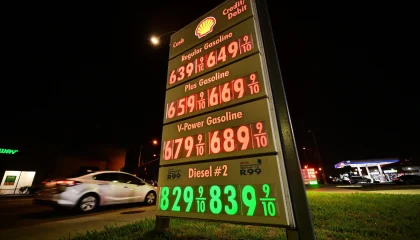
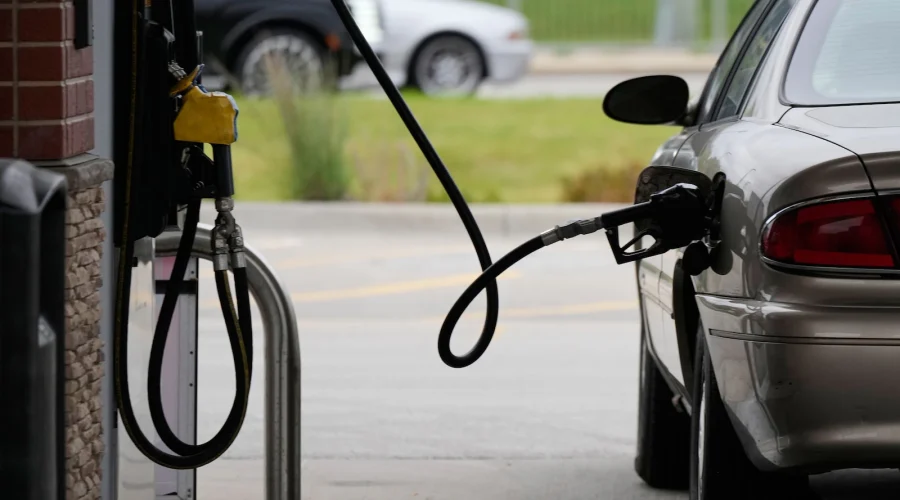
The rise in prices matters most in routine purchases, where consumers see the impact immediately. In a recent poll, at least half of Americans classified every measured household spending category as unaffordable. Gasoline stood out as a particularly sharp concern: 71% of respondents said gas was unaffordable, compared with 28% in February, before the conflict drove fuel prices upward.
On Thursday, the national average for a gallon of regular unleaded gasoline was $4.22, up $1.19 from a year earlier. Diesel averaged $6.33 per gallon, an increase of $2.65 over the same period. Higher fuel costs can extend beyond the gas pump, affecting commuting expenses and adding pressure to the transportation costs associated with goods and services.
Paychecks have not fully kept up with the faster pace of inflation. Wage growth began trailing price increases in April, reducing the buying power of workers’ take-home pay. For many families, that means the same income covers less than it did earlier in the year, even if employment remains secure.
Consumers also expect the problem to persist. The Michigan survey found that shoppers anticipate further inflation over the next year, a concern that can influence decisions about large purchases, savings and day-to-day spending.
Growth remains solid, aided by artificial intelligence investment
Despite the pressure on consumers, the economy has continued to expand at a strong pace. Gross domestic product grew at a 3.4% annualized rate during the three months ending in September. That marked an improvement from annualized growth rates of 2.2% and 2.5% in the prior two quarters.
Growth this year has broadly tracked the expansion seen in 2025. Investment connected to artificial intelligence has been an important contributor in recent quarters. Research published last month by J.P. Morgan Asset Management found that the AI sector added an average of 0.56 percentage points to GDP growth in each of the first two quarters, representing more than one-fifth of overall economic growth.
Consumer activity has also remained a source of support. Household spending makes up roughly two-thirds of U.S. economic activity, and it rose 0.9% in August from July, the fastest month-to-month increase since March. The resilience of spending is notable because consumers are simultaneously expressing deep concern about costs.
That apparent contradiction helps explain the broader economic debate. National growth measures capture the total value of activity across the economy, while household sentiment often reflects what people experience in grocery aisles, on utility bills and at gas stations. An economy can be growing while many households feel financially worse off.
Jobs are still being added, though the pace has become uneven
The labor market has continued to add jobs, giving the economy an important layer of support. Hiring has slowed, however, and monthly job gains have been volatile. That makes each new employment report especially significant for voters and policymakers looking for signs that the expansion is either holding up or losing momentum.
A steady job market can help families manage higher costs, but it does not erase the effect of inflation when prices rise faster than wages. The combination of continued hiring, slower payroll growth and declining purchasing power has left many Americans weighing economic indicators through the lens of their own household finances.
President Donald Trump highlighted the nation’s expansion during a Monday rally in Corinth, Mississippi, calling the economy’s performance historic. He acknowledged that oil prices had risen but defended the conflict with Iran as necessary to stop the country from obtaining a nuclear weapon.
“I don’t want to belittle it because it’s a big thing but I thought the price of oil was going to go much, much higher and I was fully prepared to do it,” Trump said.
For voters, the central question is likely to be less about any single data release than about whether their own finances are improving. The final official readings before the election show an economy with meaningful strengths, including output growth and ongoing job creation, but also a persistent affordability challenge that has become difficult for households to ignore.
Related Reading
Frequently Asked Questions
What is What to know about the US economy?
What to know about the US economy is the main topic of this guide. The article explains the context, practical details, and next steps readers should understand.
Why does What to know about the US economy matter?
What to know about the US economy matters because readers are looking for a useful answer, not just a short summary. Good content should match search intent and help them decide what to do next.