
Gas Prices Set Record for Highest Days Above $4
Cyberzenhub.com – Gas prices set record for highest number of days above $4 a gallon in a single calendar year, as the national average remained elevated for 158 days. The prolonged run of higher costs reflects the continuing effect of the Iran war and disruptions in global energy markets.
Patrick De Haan, a petroleum analyst at GasBuddy, highlighted the milestone in a Wednesday post on X. The extended period of costly fuel has kept pressure on household budgets as voters head toward the early-November midterm elections.
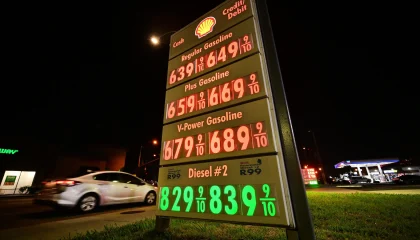
AAA listed the national average price of regular gasoline at $4.33 per gallon. Before the conflict began, drivers were paying less than $3 per gallon on average, leaving commuters, families, delivery workers and businesses with vehicle fleets facing noticeably higher expenses.
Oil Market Disruption Reaches Drivers
Fuel costs rose after fighting around the Strait of Hormuz created a major shock to oil supplies. The waterway is an important route for petroleum shipments, and threats to vessels and energy infrastructure quickly pushed crude prices higher worldwide.
Global oil prices have stayed above $106 per barrel, about 50% higher than before the war. When crude becomes more expensive, refiners, fuel distributors and retailers face higher costs that eventually appear on gas station signs.
Exports from Gulf producers have improved in recent weeks, easing some of the most severe supply problems. However, shipping costs remain high and regional risks have persisted, keeping gasoline prices well above prewar levels.
Commercial vessels have continued to gather near the Strait of Hormuz as operators assess whether passage is safe and reliable. Attacks on ships and oil facilities resumed after a tentative U.S.-Iran agreement expired in August, ending a temporary pause in the conflict.
Gasoline Adds to Inflation Pressure
The rise in fuel prices was a major contributor to September’s inflation increase. Federal figures showed gasoline prices climbed by more than 9% from August to September, accounting for more than half of the overall monthly increase in consumer prices.
Inflation reached its highest level in four months during September after easing somewhat over the summer. Earlier in the year, the Middle East conflict helped push inflation to a three-year high in May, while the preliminary peace arrangement later reduced some immediate pressure on energy markets.
Gasoline prices are especially visible because they can change quickly and are displayed prominently at filling stations. Their impact also extends beyond personal travel, since higher fuel expenses can raise the cost of moving goods, operating equipment and delivering services.
Diesel prices have increased even more sharply. AAA listed the national average diesel price at $6.29 per gallon, roughly 66% above the level recorded when the Iran war began in February.
Higher Costs for Households and Businesses
For many motorists, higher prices mean each fill-up takes a larger share of available income. The burden can be particularly difficult in areas where residents must drive long distances for work, school, health care or essential shopping.
A 15-gallon tank costs nearly $65 to fill at the national average price. Actual costs vary by state and community because of differences in taxes, fuel distribution expenses and competition among local stations.
The gas prices set record for highest stretch above $4 also carries consequences beyond the pump. Diesel is essential to freight transportation and commercial activity, so increased trucking and shipping costs can add pressure to prices for food, consumer products and industrial supplies.
Frequently Asked Questions
Why are gas prices still above $4 per gallon?
Higher crude oil prices, shipping costs and continued uncertainty around the Strait of Hormuz have kept fuel prices elevated. Even as some Gulf exports recover, the market remains affected by regional risks and costly transportation.
Will gas prices be the same in every area?
No. Prices can differ substantially by location because of state and local taxes, refinery access, transportation costs and competition among fuel stations. Checking nearby stations can help drivers find lower local prices.
How do higher diesel prices affect consumers?
Diesel powers much of the freight network that moves food, retail products and industrial materials. When diesel costs rise, businesses may face higher delivery and operating expenses, which can contribute to broader inflation pressure.