
Supreme Court unanimously says anti-abortion pregnancy centers can fight subpoena for donor identities
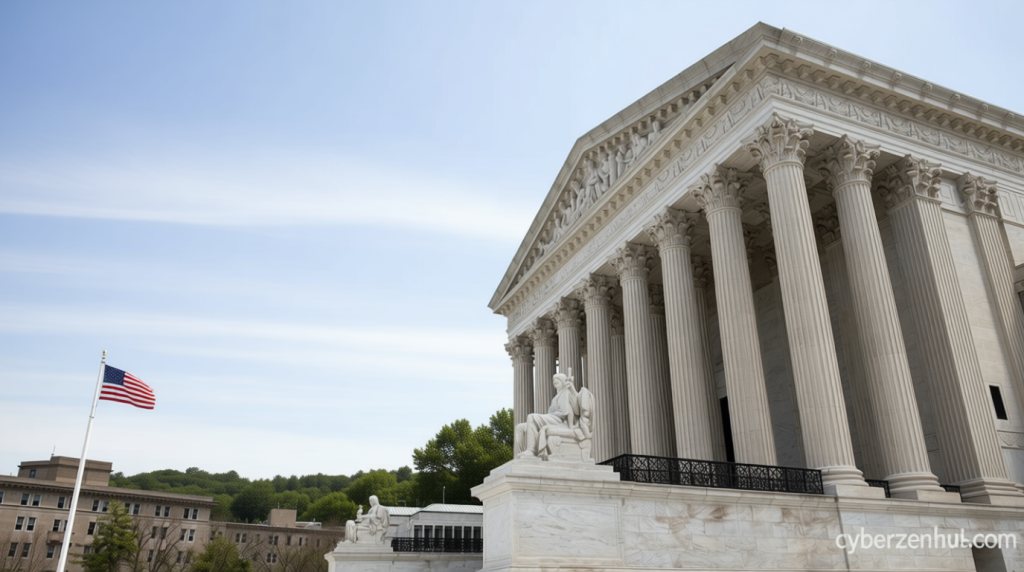
Supreme Court Unanimously Rules Anti-Abortion Centers Can Challenge Subpoena
Supreme Court unanimously says anti abortion – The Supreme Court has ruled that anti-abortion pregnancy centers possess the legal right to contest a subpoena requiring the disclosure of donor identities. In a landmark decision, the Court affirmed the organization’s ability to protect the privacy of individuals contributing to its operations, emphasizing constitutional protections for associational freedoms. This ruling marks a significant shift in the legal landscape surrounding reproductive health advocacy and state oversight of nonprofit activities.
Subpoena and Constitutional Rights
The case, which involved five clinics in New Jersey, stemmed from a demand by the state’s attorney general to obtain donor information. The centers argued that this action infringed on their First Amendment rights, allowing them to shield contributors from public exposure. Justice Neil Gorsuch, writing for the unanimous Court, stated that the subpoena threatened the group’s ability to maintain confidentiality, thereby violating its associational rights. This decision aligns with the Court’s historical support for religious and civil liberties.
While the attorney general asserted the need for transparency to investigate potential deceptive practices, the Court highlighted the broader implications of the ruling. It underscored the importance of preserving individual privacy, even in the context of public health initiatives. The decision also signals the Court’s willingness to intervene in cases where state demands appear excessive or targeting specific groups.
Historical Precedent and Legal Framework
Justice Gorsuch drew a key analogy to a 1950s case involving the NAACP, where the Court similarly upheld the right to protect members from public scrutiny. This historical reference reinforces the decision’s foundation in constitutional law, showing a consistent pattern of defending associational rights against governmental intrusion. By citing this precedent, the ruling strengthens its argument that the subpoena’s intent extended beyond mere transparency, aiming to intimidate anti-abortion advocates.
Although the state’s request for donor details was framed as a routine investigation, the Court noted that the process could be leveraged to pressure organizations into revealing sensitive information. The opinion stressed that the subpoena’s scope was wide enough to impact the centers’ ability to operate freely, particularly for those seeking to safeguard donor privacy.
Implications for Reproductive Rights
This ruling carries substantial weight in the ongoing debate over reproductive health policies. Anti-abortion advocates view it as a victory, arguing it shields their efforts from unwarranted scrutiny. However, critics contend that it may limit the state’s ability to ensure accountability in programs that receive public funds. The decision could influence future legal battles involving transparency requirements for nonprofits in the healthcare sector.
Religious freedom groups have praised the Court for reinforcing the right of faith-based organizations to control their internal affairs. They argue that the ruling protects the integrity of such groups by allowing them to operate without fear of coercion. Meanwhile, opponents highlight the potential for the decision to weaken oversight mechanisms, raising concerns about the balance between individual rights and governmental authority.
Public Reaction and Policy Impact
Reactions to the decision have been mixed, reflecting the polarized nature of the issue. Supporters of the centers celebrate the ruling as a defense of constitutional rights, while critics emphasize the state’s need for transparency in funding sources. The Court’s stance may set a precedent for similar cases across the country, affecting how states regulate organizations involved in reproductive care.
With this ruling, the Supreme Court has reaffirmed its commitment to protecting privacy rights, even in the face of public interest arguments. The case serves as a reminder of the ongoing tension between individual freedoms and state regulatory power, particularly in the realm of reproductive health advocacy. As the decision takes effect, its impact on future policy and legal challenges will continue to unfold.