
Appeals court issues nationwide order blocking telehealth distribution of abortion pill mifepristone
Appeals Court Halts Nationwide Telehealth Distribution of Abortion Pill Mifepristone
Appeals court issues nationwide order blocking – On Friday, the Fifth Circuit Court of Appeals issued a nationwide order that effectively halts telehealth distribution of the abortion medication mifepristone. The ruling, which applies immediately, blocks mail-order access to the drug under the FDA’s 2023 guidelines, a policy that allowed remote prescriptions for early-term abortions. The court’s decision aligns with ongoing efforts to restrict the medication’s availability, citing concerns over its safety and the need for further review of its expanded use. This marks a pivotal moment in the legal battle over mifepristone’s accessibility, as it directly impacts how patients receive care without in-person visits.
The Legal Context
The appeals court’s nationwide order stems from a lawsuit challenging the FDA’s updated rules, which were introduced under the Biden administration to ease restrictions on mifepristone. The Fifth Circuit, based in Louisiana, has taken the position that the Trump-era safety assessment should guide the drug’s use. This judicial action highlights the growing reliance on the appeals court issues nationwide order to shape policies related to reproductive health. The order now places the decision in the hands of the Supreme Court, which may ultimately decide the medication’s future under federal regulations.
“This appeals court issues nationwide order represents a crucial step in ensuring that mifepristone is thoroughly evaluated before it’s made more accessible,” stated Louisiana Attorney General Liz Murrill, who led the legal challenge. “We must prioritize the safety of women and unborn children in this process.”
Supporters of the telehealth model argue that the order could disrupt access for patients in rural or underserved regions. However, the ruling underscores the appeals court issues nationwide order as a tool for regulating medication distribution and reinforcing traditional oversight standards. The next phase of the case will determine whether the Supreme Court will uphold or reverse the decision, potentially altering the landscape of abortion care in the U.S.
Understanding Mifepristone
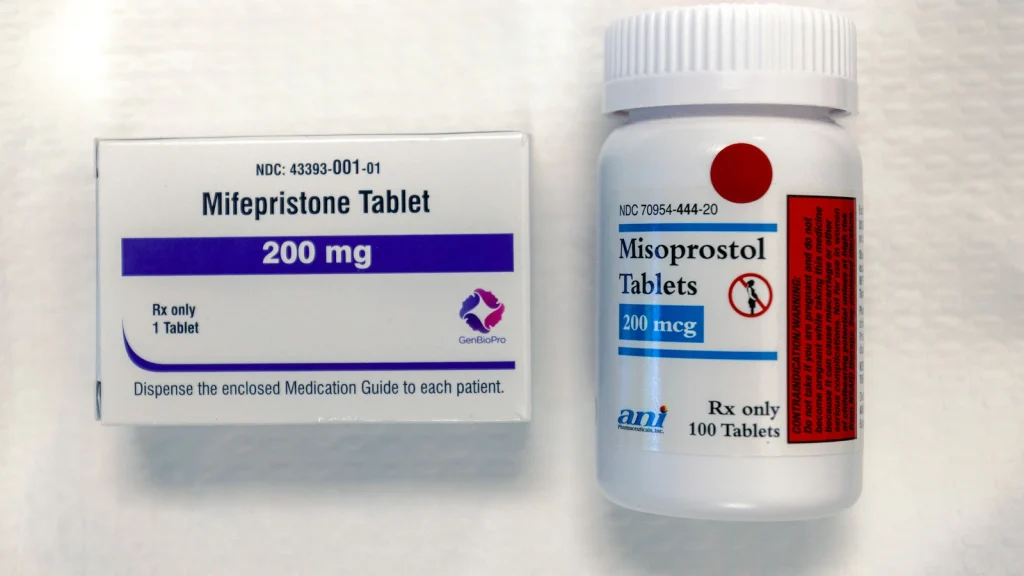
Mifepristone, combined with misoprostol, is a common medication for terminating pregnancies up to 10 weeks gestation. According to the American College of Obstetricians and Gynecologists (ACOG), it has been widely used for over two decades as a safe and effective option for early abortion. The FDA’s 2023 guidelines aimed to expand access by permitting telehealth prescriptions, but the appeals court issues nationwide order has reversed that progress. This legal intervention highlights the role of the appeals court issues nationwide order in determining the balance between convenience and regulatory caution in reproductive healthcare.
The recent order also reignites debates about the role of the appeals court issues nationwide order in shaping access to essential medications. Critics argue that the decision could lead to a patchwork of state regulations, while proponents view it as a necessary safeguard. As the case moves forward, the broader implications for mifepristone’s use and the legal framework surrounding reproductive rights will remain central to the discussion.
Reactions from Advocates and Opponents
Abortion opponents have praised the appeals court issues nationwide order, framing it as a victory in the fight to limit access to mifepristone. “This is a critical win for the appeals court issues nationwide order,” said Marjorie Dannenfelser of Susan B. Anthony Pro-Life America. “It ensures that mifepristone is subject to rigorous evaluation before being distributed through telehealth.” Supporters, however, warn that the order may disproportionately affect low-income and marginalized communities.
“The appeals court issues nationwide order is a setback for women’s access to care,” remarked Nancy Northup of the Center for Reproductive Rights. “Telehealth has been a lifeline for many, and this decision risks creating barriers for those who rely on it the most.”
Reproductive rights groups stress that the appeals court issues nationwide order could delay the availability of mifepristone for thousands of patients. They argue that the FDA’s guidelines were based on extensive safety data, and the court’s action may create uncertainty in the medical community. As the legal process continues, the focus of the appeals court issues nationwide order will remain on whether telehealth distribution should be allowed under current regulatory standards.