
Long DACA renewal wait times leave some ‘Dreamers’ without status, fearing detainment
DACA Renewal Delays Leave Dreamers in Uncertainty
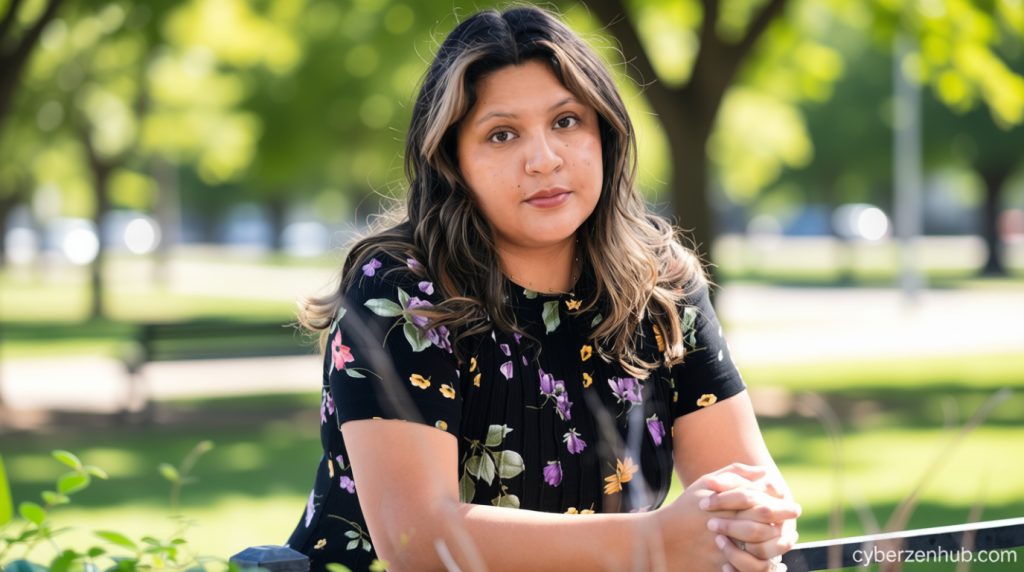
Long DACA renewal wait times leave – For over a decade, Melani Candia has relied on the Deferred Action for Childhood Arrivals (DACA) program to secure her future in the United States. With her husband and two cats, she has worked in special education in Florida, navigating the renewal process every two years. However, this year, prolonged processing delays have thrown her life into disarray, leading to a missed deadline, job loss, and a growing fear of being detained in the country she has called home since age six. “Uncertainty has become my new normal,” Candia shared, highlighting the emotional strain of the extended wait.
Rising Processing Times and Growing Concerns
The DACA program, which provides temporary deportation relief to young undocumented immigrants, has seen processing times spike to levels not seen since the early 2010s. While the program does not grant legal status, it allows beneficiaries to work, study, and live in the U.S. For many, these renewals are essential for stability. Yet, the current backlog has created a sense of unpredictability, with some Dreamers now waiting months to confirm their status.
According to U.S. Citizenship and Immigration Services (USCIS), the median processing time for DACA renewals reached 70 days between October 2025 and February 2026. This marks the longest period since the program’s inception, excluding the pandemic’s impact in 2020. Despite submitting applications 120 to 150 days before expiration, many Dreamers still face delays that extend past their renewal window, risking the loss of work authorization and legal standing.
Government Justifications and Bureaucratic Strain
USCIS has cited increased scrutiny under the Trump administration as a key factor behind the delays. Zach Kahler, a spokesperson, noted that “the administration is ensuring thorough screening of all aliens, which may contribute to longer processing times.” While this approach aims to strengthen security, it has placed additional pressure on the system, leaving beneficiaries in limbo as they await decisions that determine their ability to remain in the U.S.
The extended wait has disrupted daily routines for Dreamers like Elsa Sanchez, a healthcare IT worker. She submitted her renewal application over five months ago but remains without a response. This delay has forced her to take unpaid leave and cut back on expenses, as the threat of deportation looms larger than ever. “I’m not sure how much longer I can keep this up,” Sanchez said, underscoring the financial and emotional toll of the process.
Legal Challenges and Systemic Pressures
DACA has long been a target of legal battles, with two major Supreme Court cases shaping its future. These uncertainties have intensified during the current administration’s focus on stricter enforcement. The prolonged wait times further exacerbate the anxiety, particularly for those who have built careers and families on the program’s stability.
While USCIS reported that most renewals were processed within 122 days by April 2026—a slight improvement from earlier that month—many Dreamers still experienced extended delays. For example, one individual waited over three months for a decision, creating a precarious situation where their status depends on bureaucratic efficiency rather than their own merits.
Advocacy and Calls for Reform
Lawmakers have increasingly voiced concerns over the mounting delays, with U.S. Senator Alex Padilla, D-Calif., noting that “the time it takes to renew DACA has grown from weeks to months.” He and other advocates are urging federal agencies to address the backlog and ensure that Dreamers are not unfairly targeted by missed deadlines. “This isn’t just about paperwork—it’s about people’s livelihoods,” Padilla emphasized in a recent statement.
As the processing times continue to stretch, the community of Dreamers faces an uncertain future. With no clear resolution in sight, many are left questioning whether they will be able to maintain their status or if the delays signal a broader shift in immigration policy. “Every day without a renewal feels like a step closer to being pushed out,” said one individual, reflecting the collective fear of those waiting in the shadows of prolonged bureaucracy.