
Americans are increasingly bleak about their own finances, most say using the US military against Iran was a mistake: ABC News/Washington Post/Ipsos poll
Americans are growing more pessimistic about their financial situations amid the ongoing U.S.-Israeli conflict with Iran, which has entered its second week of a fragile truce, according to a recent poll by ABC News, Washington Post, and Ipsos
Economic Struggles and Fuel Costs
Americans are increasingly bleak about their – As the war between the U.S. and Iran intensifies, American households are facing mounting financial pressure, with a significant portion expressing concerns about their economic well-being. The latest poll reveals that nearly half of the population anticipates further increases in gas prices over the coming year, a trend driven by the conflict’s impact on global energy markets. This comes as current gas prices have reached a four-year peak, marking a substantial rise for consumers who are already grappling with inflationary pressures. The findings highlight a growing sense of economic uncertainty, as many Americans struggle to maintain their standard of living amid rising costs.
The poll also underscores a shift in public sentiment regarding financial stability. A notable 40% of respondents reported being less financially secure now than they were during the early days of President Donald Trump’s administration, a figure up from 33% in a prior survey. This suggests that the economic effects of the conflict are beginning to take a toll on households, even as the political landscape continues to evolve. Meanwhile, 24% of Americans claim they are falling further behind, a concerning trend that indicates a widening gap between income and expenses.
Survey participants revealed that nearly a quarter (23%) have experienced a decline in their financial situation, an increase from the 17% recorded in February. When asked about their current economic status, 52% said they have just enough to meet their basic needs, while 24% reported improving their financial situation. However, the latter group has seen a drop from 28% in the earlier poll, suggesting a more cautious outlook on economic recovery. This data paints a picture of a population that is increasingly concerned about their financial health, with a majority feeling the strain of ongoing costs.
Public Reaction to Military Action
When it comes to the decision to deploy U.S. military forces against Iran, the majority of Americans believe it was a misstep. The poll found that 61% of respondents think the use of military action in Iran was a mistake, with just over one-third (35%) supporting the decision. This sentiment is reinforced by the belief that the conflict has heightened the risk of terrorism targeting American citizens. Many are now questioning whether the war has been a necessary sacrifice or an unnecessary burden on the nation’s resources.
Notably, a majority of Americans express doubt about the effectiveness of any agreement with Iran in preventing the development of nuclear weapons. This skepticism reflects a broader concern about the long-term consequences of the conflict. The findings suggest that while the war may have had strategic objectives, the public perceives it as a threat to both national security and economic stability. As the situation continues to unfold, the implications for American households and international relations remain a focal point of debate.
Demographic Breakdown of Financial Adjustments
The economic impact of the conflict is not evenly distributed across all demographics. Lower-income households, in particular, have felt the pinch of rising fuel costs. A majority (59%) of Americans earning less than $50,000 annually have reduced their household spending, while 56% have cut back on driving. These adjustments indicate a proactive response to financial strain, with families prioritizing essential expenses over discretionary ones. Furthermore, 48% of those in lower-income brackets have altered their travel plans, highlighting the immediate effects of high gas prices on daily life.
Gender also plays a role in financial behavior. Women are more likely than men to have made changes to their driving habits, household expenses, and travel plans. This gender disparity may reflect differing priorities in managing personal finances, with women often taking on the role of household budgeting. The data also shows that over 4 in 10 Democrats (45%) have modified their travel schedules, compared to 38% of independents and 19% of Republicans. This suggests that political affiliation influences how individuals respond to economic challenges.
In addition to adjusting travel plans, many Americans are exploring alternative transportation options. Over 15% of respondents have considered purchasing an electric vehicle, with Democrats showing the highest interest (24%) and Republicans the lowest (7%). This shift indicates a growing awareness of the need for sustainable solutions to rising fuel costs, though it remains a minority decision. The poll also highlights that 42% of Americans have reduced other household expenses, signaling a broader trend of financial conservatism in response to the conflict.
Impact of Trump’s Social Media Statement
Public opinion on the Iran conflict is further complicated by political figures’ statements. Earlier this month, former President Donald Trump tweeted that “A whole civilization will die tonight,” a remark that sparked a wave of reactions. The poll found that a large majority of Americans, including a slim majority of Republicans, had a negative response to this comment. This sentiment underscores the polarizing effect of Trump’s rhetoric on the current economic and geopolitical climate, with many viewing it as an overstatement of the conflict’s consequences.
The impact of the war on financial well-being is echoed in comparisons to previous administrations. During much of President Joe Biden’s tenure, over 4 in 10 Americans reported being less financially secure than when he took office. This figure, while not as high as the current 40%, still indicates a persistent concern about economic stability. The recent data, however, shows a sharper decline, with the number of Americans feeling financially worse off increasing from 17% to 23% since February. This trend suggests that the conflict is exacerbating existing economic anxieties.
The poll also captures the growing dissatisfaction with the economic conditions under Trump’s leadership. While 4 in 10 Americans believe they are not as well off as they were when Trump returned to the presidency, this number reflects a broader pattern of economic sentiment. The data shows that Americans are increasingly critical of the financial outcomes associated with the Trump administration, with many citing the rise in gas prices and inflation as key factors. This skepticism may influence future political decisions and public trust in economic policies.
Behavioral Changes in Response to Rising Costs
The financial strain caused by the conflict is prompting significant changes in consumer behavior. Over 44% of Americans have reduced their driving to conserve money, while 42% have cut other household expenses. These adjustments reflect a conscious effort to mitigate the impact of rising fuel costs, which have already reached a four-year high. However, fewer respondents (34%) have altered their travel or vacation plans, indicating that while some are adapting, others are still planning for the future.
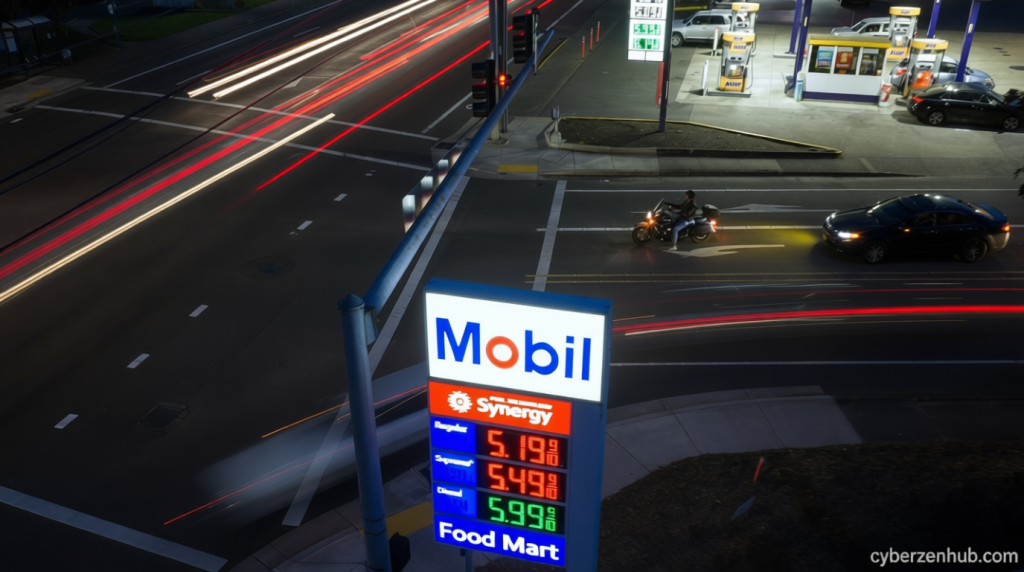
At a gas station in San Francisco, the price of fuel exceeded $7 per gallon on April 30, 2026, symbolizing the broader economic challenges faced by consumers. The situation is particularly dire for lower-income households, which are more vulnerable to fluctuations in energy prices. The poll highlights that 59% of families earning less than $50,000 have cut back on expenses, while 56% have reduced their driving. These changes are not just temporary adjustments but reflect a long-term shift in financial priorities.
The data also reveals a split in political affiliations regarding the impact of the conflict. While slim majorities of Democrats and independents have made financial adjustments, only 28% of Republicans have done so. This discrepancy may be attributed to differing views on the necessity of military action or the effectiveness of economic policies. The poll further indicates that Democrats are more proactive in considering electric vehicles, with 24% expressing interest, compared to 16% of independents and 7% of Republicans. This highlights a potential divide in how different groups perceive the economic and environmental consequences of the war.
Summary of Key Findings
Overall, the poll paints a picture of Americans who are increasingly concerned about their financial stability and the consequences of the ongoing conflict with Iran. The combination of rising gas prices, inflationary pressures, and the perception of a mistake in military action has created a climate of uncertainty. As the conflict continues, the economic impact is expected to persist