
Which states might redraw congressional maps in 2026, 2028 after Supreme Court’s Voting Rights Act ruling
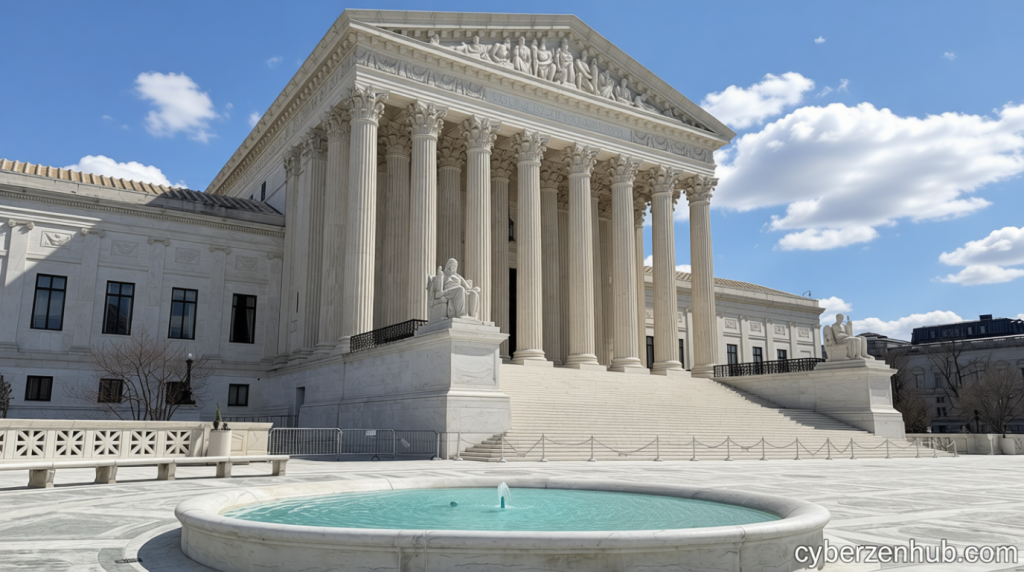
Which States Will Redraw Congressional Maps in 2026-2028?
Which states might redraw congressional maps – Following the Supreme Court’s decision in Louisiana v. Callais, the landscape of congressional redistricting is undergoing a significant transformation. This ruling has introduced a new dynamic, allowing states to redraw electoral boundaries more frequently, potentially shifting the traditional once-in-a-decade cycle to mid-decade adjustments. The impact of this change is already being felt, with several states actively preparing to reshape their districts. The focus keyword, “Which states might redraw congressional maps,” highlights the growing interest in understanding how this decision will influence future election strategies and representation.
Supreme Court’s Impact on Voting Rights
The ruling in Louisiana v. Callais has narrowed the scope of the Voting Rights Act, giving states more leeway to adjust their maps. This shift could lead to a scenario where partisan interests take precedence over fair representation, as legislatures gain greater flexibility in drawing district lines. The decision has sparked widespread debate, with critics warning of potential minority voting power dilution. However, proponents argue it empowers states to tailor their electoral systems to better reflect their populations. As redistricting becomes more frequent, the balance of power in Congress may shift dramatically, depending on how each state interprets the ruling.
“The Supreme Court’s ruling creates an opportunity for states to reshape their congressional maps with minimal federal constraints,” noted an analyst. “This could result in more aggressive gerrymandering, where political parties prioritize their own interests over equitable voting rights.” The implications of this change are far-reaching, as states may now adjust districts to secure a strategic advantage, influencing the outcomes of upcoming elections.
2026 Redistricting Efforts
With the 2026 midterms approaching, states like Louisiana, Tennessee, and Alabama are leading the charge in redistricting. Louisiana’s decision to postpone its House primaries without affecting other races has drawn attention, as it could provide Republicans with an edge in shaping favorable districts. Tennessee’s governor, Bill Lee, has publicly endorsed this process, aiming to strengthen Republican representation. Meanwhile, Alabama’s state leaders are pushing to overturn a court-ordered majority-minority district, which they argue undermines their ability to secure congressional seats.
These states are not alone in their efforts. Others, such as South Carolina, are also exploring ways to adjust their maps to neutralize single Democratic-held districts. The result could be a more polarized political environment, where redistricting becomes a tool for partisan advantage. As these changes take shape, the 2026 elections may serve as a test case for how redistricting can influence electoral outcomes in the short term.
2028 Election Implications
Looking ahead to the 2028 election cycle, the long-term effects of the Supreme Court’s decision may become more pronounced. States will have the opportunity to finalize redistricting plans, potentially creating more strategically favorable districts for their political parties. This could lead to a more entrenched partisan divide, where one-sided maps dominate the electoral process. The focus keyword, “Which states might redraw congressional maps,” underscores the need to monitor how these adjustments will shape the political landscape over the next few years.
With the next census not until 2030, the 2026 and 2028 elections could be pivotal in determining representation for the next decade. States may use this window to adjust districts based on demographic shifts, further solidifying their control over legislative outcomes. While the ruling provides flexibility, it also raises concerns about the fairness of representation, as minority voices could be marginalized in the process. The coming years will be crucial in observing how these changes unfold and their broader impact on national politics.