
Body of Nahida Bristy, 2nd missing USF student, identified
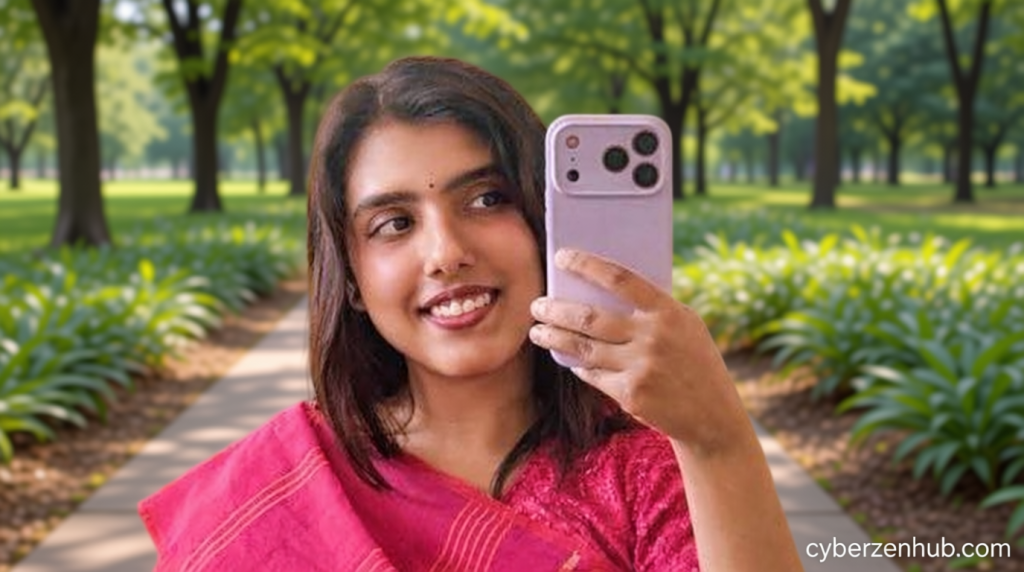
Body of Nahida Bristy, Second Missing USF Student, Identified
Body of Nahida Bristy 2nd missing – On Friday, law enforcement officials confirmed the identification of remains discovered earlier in the week as belonging to Nahida Bristy, a 27-year-old doctoral student from the University of South Florida (USF). The remains were linked to the ongoing investigation into the disappearance and presumed murder of two students, with the identification process taking several days due to the advanced stage of decomposition, according to Hillsborough County Sheriff Chad Chronister. The sheriff provided an update at a press conference, highlighting the efforts to connect the remains to Bristy’s case.
Chronister stated that the body was in such a state of decay that forensic analysts had to rely on meticulous analysis to confirm the identity. “The process required extensive work, as the remains were nearly unrecognizable,” he explained. The confirmation came just days after the remains of Zamil Limon, another 27-year-old USF doctoral student, were identified as part of the same investigation. Limon had been missing since April 16, and his body was found alongside Bristy’s, with both victims tied to the suspect in the case.
The sheriff revealed that the suspect, Hisham Abugharbieh, 26, Limon’s roommate, was allegedly responsible for the deaths. Abugharbieh was arrested on April 24 following a standoff with police, who were called to the scene after his family reported a domestic dispute. According to Chronister, the suspect had used a cart from his apartment building to transport the bodies to his vehicle, a detail that emerged as part of the evidence gathered during the investigation. “This individual planned the disposal of the bodies with precision,” the sheriff said, emphasizing the calculated nature of the crime.
Authorities allege that Abugharbieh researched methods for hiding evidence, including using ChatGPT to search for instructions on how to bury a body in a trash bag and dispose of it in a dumpster. The sheriff noted that Abugharbieh also inquired about the feasibility of a knife penetrating a skull, suggesting a methodical approach to the crime. “These searches indicate a level of preparation,” Chronister remarked. The suspect’s use of technology to plan the murders has drawn attention to the role of digital tools in criminal investigations, with prosecutors arguing that the ChatGPT responses helped Abugharbieh determine the best way to conceal the bodies.
“We are now actively working to release both bodies for religious reasons back to the families who live in Bangladesh,” Chronister told reporters. This step is crucial for the grieving families, who have been waiting for closure since the students’ disappearances. The sheriff also mentioned that the remains of Bristy and Limon will be returned to Bangladesh once the legal procedures are completed, reflecting cultural significance in the case.
The investigation into the pair’s murders has raised questions about the suspect’s motives, with Chronister noting that the “why” behind the crime remains unclear. “At this point, we don’t know what the motive is,” he said, underscoring the need for further evidence. The case has also sparked discussions about the role of technology in modern crime, as investigators explore how Abugharbieh utilized ChatGPT to plan the disposal of the bodies.
Abugharbieh was charged with two counts of first-degree murder, each carrying a potential life sentence. He was ordered to be held without bond, indicating the severity of the alleged offenses. Chronister detailed how the suspect’s search history, obtained through cooperation from tech companies, provided critical insights into the crime. “This might help us uncover the motive we’re still searching for,” the sheriff said, pointing to the suspect’s use of the AI platform as a key clue.
Investigators believe Abugharbieh and Limon were close friends, which may have fueled the incident. The initial discovery of Limon’s remains occurred a week prior to Bristy’s identification, with the two cases linked through their shared connection. Chronister described the timeline of events, stating that the suspect had likely moved the bodies to his car using the apartment cart before abandoning them in a remote location. “This method allowed him to hide the evidence effectively,” the sheriff added, describing the suspect’s strategic actions.
The domestic dispute that led to Abugharbieh’s arrest was reported by his family, who called 911 on the day of the incident. This call marked the beginning of the investigation, which expanded to include the disappearance of both students. The sheriff emphasized that the case has revealed a complex web of events, from the planning stages to the final disposal of the bodies. “The suspect’s actions were premeditated, and we are following every lead to ensure justice is served,” Chronister said.
As the investigation continues, authorities are focusing on the suspect’s behavior and the circumstances leading to the murders. The use of ChatGPT in the case has also prompted broader scrutiny of how digital tools can aid in criminal planning. “This is someone who carefully considered every detail,” Chronister remarked, reflecting on the suspect’s calm and calculated approach. The remaining questions about the motive have not been answered yet, but the evidence gathered so far suggests a deliberate and methodical plan.
Further details about the suspect’s interactions with the victims and the timeline of the crime are still under review. The sheriff’s office has shared additional photos of the remains and the suspect, providing the public with visual context as the case progresses. “We are committed to transparency in this investigation,” Chronister said, highlighting the importance of sharing information with the community. The case has become a focal point for discussions about campus safety and the potential risks posed by individuals with access to advanced planning tools.
With the identification of both victims complete, the focus has shifted to the suspect’s potential motivations and the broader implications of the case. Chronister acknowledged that the investigation is still in its early stages, but the discovery of the remains and the suspect’s actions have provided a clearer picture of the crime. “We are working closely with all relevant parties to ensure we uncover the full story,” he said. The case remains a significant development in the ongoing search for answers regarding the two missing students and the circumstances surrounding their deaths.
As the investigation unfolds, the sheriff’s office continues to gather evidence and analyze the suspect’s digital footprint. The suspect’s search history on ChatGPT has been a key element in understanding his intentions, with the platform’s responses offering insights into his planning process. “This case demonstrates how technology can be both a tool for communication and a means for criminal activity,” Chronister noted. The team is also examining other potential leads, including the students’ personal lives and any conflicts that may have contributed to the incident.
Ultimately, the identification of Nahida Bristy’s remains has brought a sense of closure to her family, who are now preparing to receive her body for burial. Meanwhile, the investigation into the murders of both students moves forward, with the sheriff’s office emphasizing the need for continued efforts to determine the motive and ensure justice for the victims. “Every detail matters in this case,” Chronister concluded. “We are dedicated to uncovering the truth and supporting the families through this difficult time.”