
US to withdraw 5,000 troops from Germany
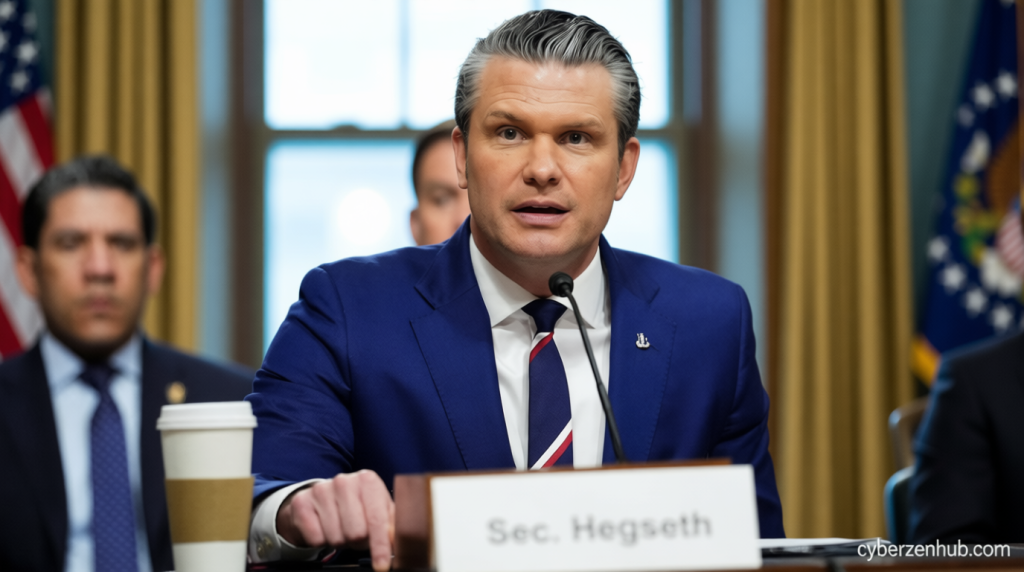
U.S. Announces Reduction of 5,000 Troops in Germany
US to withdraw 5 000 troops – The Pentagon revealed on Friday that Defense Secretary Pete Hegseth has directed the removal of approximately 5,000 U.S. military personnel stationed in Germany. This decision aligns with broader shifts in the administration’s European strategy, as outlined by officials who emphasized the need to realign forces in response to evolving regional dynamics. The withdrawal, which is projected to conclude within a timeframe spanning six to twelve months, marks a significant adjustment to the U.S. military’s footprint in the country, where 38,000 troops are currently deployed.
According to Pentagon statements, the troop cut would restore U.S. military strength in Germany to approximately the same numbers as before the 2022 conflict, including the departure of a single Army brigade combat team. A senior Pentagon representative noted that this reduction reflects the administration’s prioritization of resources and readiness, particularly in light of ongoing operations in the Western Hemisphere and Indo-Pacific regions. The move also aims to highlight the shared responsibilities among NATO allies in safeguarding European security.
Context of the Decision
Sean Parnell, the Pentagon’s principal spokesperson, stated in a formal release that the adjustment follows an extensive evaluation of the Department’s force posture in Europe. “This decision reflects current operational needs and regional dynamics, ensuring our military remains agile and responsive to emerging threats,” Parnell said. The official cited Trump’s frustration with European partners, including recent statements by German Chancellor Friedrich Merz, as key factors in the strategy shift. Merz had previously criticized the U.S. approach to the Iran war, describing it as lacking coherence and asserting that American negotiators were being outmaneuvered by Iranian counterparts.
“The Americans clearly have no strategy” on Iran, Merz remarked, highlighting concerns about the U.S. military’s engagement in the region. This remark, made during a public address, reportedly fueled Trump’s desire to reassess troop commitments in Germany.
Trump has since used social media to underscore his grievances, labeling Merz’s comments as emblematic of a broader European reluctance to support U.S. efforts in the conflict. The president also criticized his administration’s focus on the Russia-Ukraine war, suggesting that NATO allies were not fulfilling their obligations in the fight against Iran. This sentiment has been a recurring theme in Trump’s recent rhetoric, with the administration repeatedly emphasizing the need for allies to shoulder more of the burden in global security initiatives.
Criticism from Congressional Leaders
Senator Jack Reed, the leading Democratic member of the Senate Armed Services Committee, denounced the action as a “reckless choice” in a written statement. “Removing a substantial number of U.S. forces from a critical strategic location during an active war is a grave error with far-reaching consequences,” Reed argued. He further warned that the reduction could undermine NATO’s cohesion, especially as Russian forces continue to exert pressure on Ukraine and challenge the alliance’s effectiveness.
“Weakening our military footprint in Europe at a time when Russian aggression persists is a priceless gift to Vladimir Putin,” Reed stated. “It signals that American commitments to allies are contingent on the president’s shifting priorities, which could erode trust in our collective defense strategies.”
The withdrawal has sparked debate over the balance between strategic flexibility and long-term stability. While some view the move as a necessary realignment, others fear it may leave Europe more vulnerable to external threats. The National Defense Authorization Act for 2026, which mandates that the Pentagon cannot decrease troop numbers in Europe below 76,000 without congressional approval, remains a critical constraint. Hegseth’s directive, however, appears to align with the act’s provisions, as the reduction is framed as a coordinated effort with NATO.
Broader Implications of the Troop Cut
The decision to withdraw 5,000 troops from Germany underscores the Trump administration’s focus on redefining its global military presence. Last year, the U.S. had already redeployed an Army brigade combat team from Romania, signaling a pattern of repositioning forces to better address threats in the Indo-Pacific and Western Hemisphere. This trend suggests a strategic pivot, with the administration emphasizing the importance of maintaining readiness in key regions while reducing obligations in Europe.
During a meeting with NATO Secretary General Mark Rutte at the White House, Trump and his allies reportedly discussed the alliance’s contributions to the Iran conflict. Rutte later described the exchange as a “frank and open discussion,” noting that while Trump expressed frustration, European nations had provided substantial logistical and operational support. Despite this, the U.S. has continued to question the efficacy of NATO’s involvement, framing the withdrawal as a demonstration of the alliance’s willingness to adapt to changing circumstances.
Historical Perspective and Future Outlook
The U.S. military presence in Germany has long been a cornerstone of American defense policy since World War II. This deployment has served as a deterrent against potential aggression from the east, supporting NATO’s collective security framework. By reducing troop levels to pre-2022 numbers, the administration is signaling a recalibration of this commitment, though officials have stressed that the move does not signify a complete withdrawal.
Trump has also highlighted the broader implications of the troop cut, linking it to his vision of a more self-reliant defense posture. In a recent statement, Hegseth emphasized that the reduction would send a clear message about the importance of German and other European allies taking primary responsibility for regional defense. This perspective reflects a growing emphasis on interdependence, with the U.S. positioning itself as a supportive partner rather than a sole provider of security.
As the withdrawal progresses, its impact on NATO’s operational capacity will be closely monitored. European leaders may need to adjust their own military strategies to compensate for the reduced U.S. presence, potentially altering the balance of power in the region. Meanwhile, the U.S. military aims to enhance its readiness by reallocating resources to areas where immediate threats are more pronounced, such as the Indo-Pacific, where tensions with China and other regional powers have intensified.
Experts suggest that the decision could also serve as a test of NATO’s resilience, with allies expected to demonstrate their commitment to collective defense. The withdrawal from Germany, however, remains a symbolic gesture, highlighting the administration’s priorities while maintaining a strategic presence in Europe. As the timeline unfolds, the effectiveness of this approach will depend on the ability of European partners to step up and fill the gap left by the departing troops.