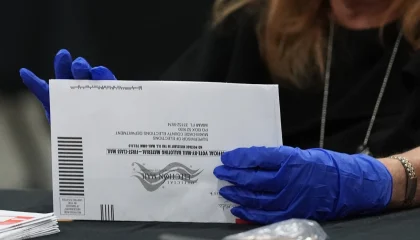
Georgia’s Vote Counting Method to be Banned; Lawmakers Seek Fix
Cyberzenhub.com – Georgia’s vote counting method will face a ban by July 1, 2026, prompting lawmakers to convene this week in an effort to resolve the impending electoral crisis. State officials are scrambling to finalize a replacement system as the deadline nears, with the upcoming special election for U.S. Rep. David Scott’s remaining term set for July 28. The law, passed in 2024, mandates that QR codes on ballots no longer be used for official tabulation after that date, creating uncertainty about the state’s ability to maintain an efficient and accurate voting process.
Controversy Over the QR Code System
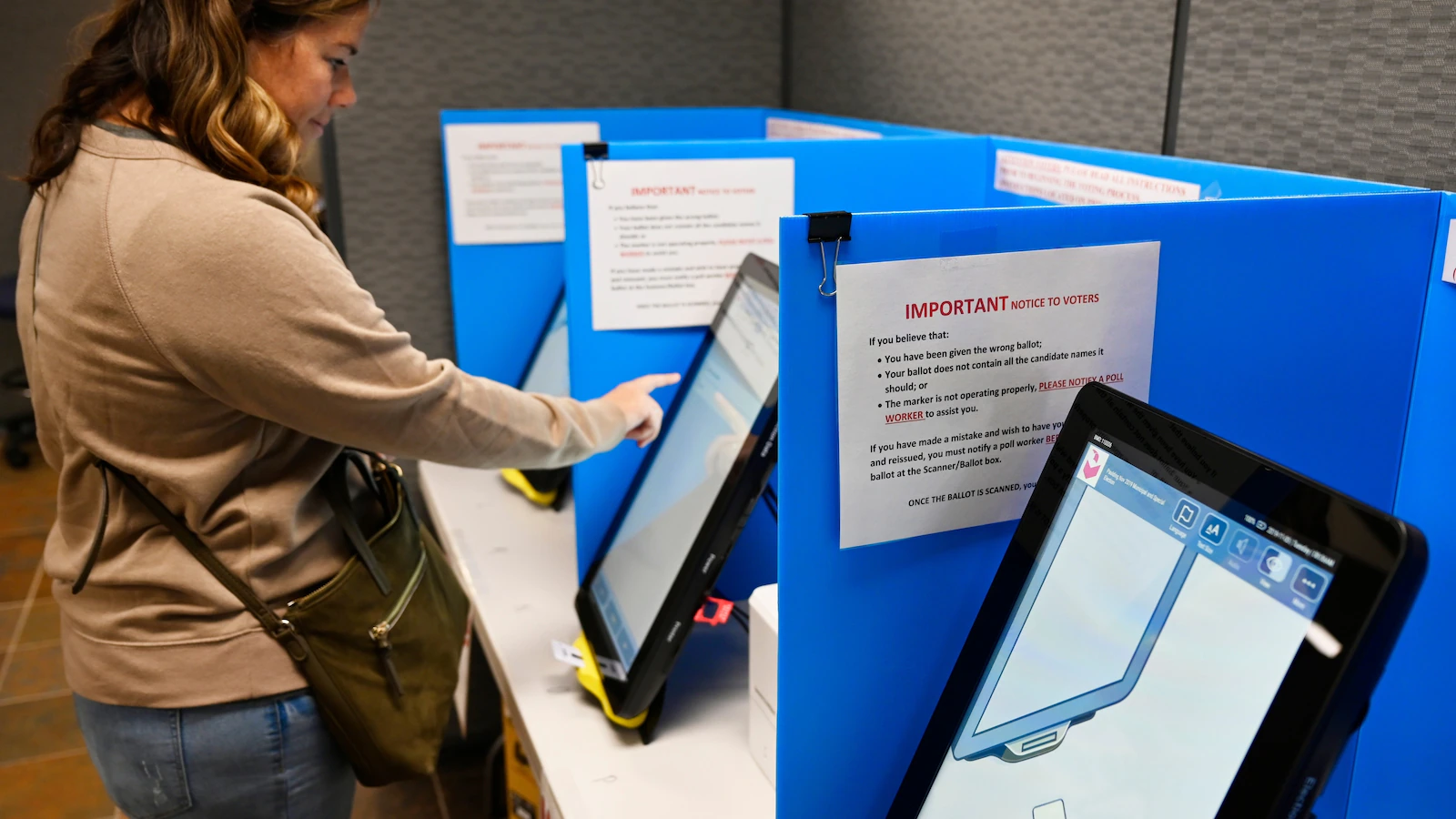
Since 2020, Georgia has relied on QR codes embedded in ballots to streamline vote counting. This technology allows machines to decode voter selections rapidly, ensuring timely results. However, the law’s passage has introduced a challenge: while QR codes can still be used for initial counts, they will no longer be valid for the official tally. Lawmakers argue this change aims to address concerns raised by former President Donald Trump’s campaign about irregularities in the 2020 election, but the lack of a clear alternative has left county officials in a difficult position.
The current system involves a two-step process: initial counts using QR codes and verification through optical character recognition (OCR) software. Yet, this secondary method has not been fully tested at scale, raising fears of inconsistencies. The secretary of state’s office has instructed counties to continue using the QR code system until the deadline, while the State Election Board insists it must be phased out. This clash of directives has deepened confusion, as officials now struggle to balance compliance with the law and ensuring electoral integrity.
“The goal is to address issues created by the law,” said a state official, citing Governor Brian Kemp’s directive for the special session. The governor, a staunch advocate for election reforms, has emphasized the need for a system that minimizes disputes over vote counting. However, the absence of a finalized plan has sparked debates about the risks of relying on unproven technology for the official tally, particularly in high-stakes elections.
Partisan Struggles and Legislative Deadlines
The debate over Georgia’s vote counting method has become a flashpoint for partisan disagreements. During the regular legislative session, lawmakers rejected a proposal to delay the QR code ban, setting the stage for this week’s special session. With the July 1 deadline looming, state officials must now act quickly to prevent a potential breakdown in the election process. The focus keyword, “Georgia s vote counting method,” will be central to the discussions as lawmakers weigh options to maintain efficiency while addressing concerns about accuracy.
County election officials are tasked with implementing the new system by mid-July, but the lack of consensus on the replacement method has left them uncertain. Some counties may continue using touchscreen machines with QR codes, while others could adopt OCR-based systems. This inconsistency risks creating discrepancies in how votes are recorded and verified, adding pressure on the State Election Board to provide clarity. Without a unified approach, the validity of the state’s electoral process could come into question ahead of the special election.
The urgency of the situation has intensified as the July 28 vote approaches. Lawmakers are racing to finalize a plan that ensures the system remains functional without compromising voter confidence. Whether through extending the deadline or adopting a new tabulation method, the outcome will determine the fate of Georgia’s vote counting method and its ability to withstand scrutiny in the coming months.