
Oregon 2026 primary election results
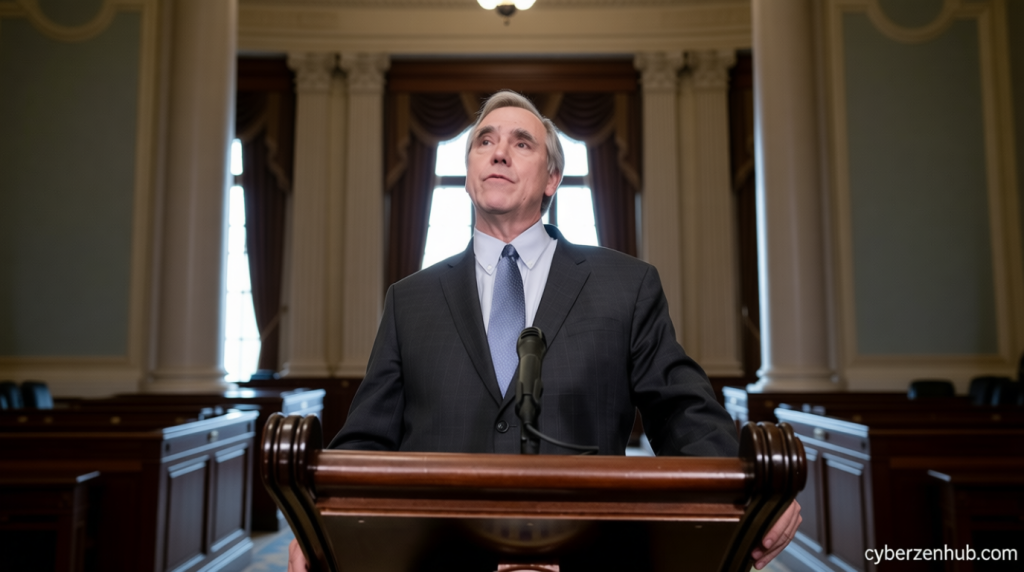
Oregon 2026 Primary Election Results
Oregon 2026 primary election results – On Tuesday, Oregon voters participated in critical electoral contests that will shape the state’s political landscape for the upcoming general election. Among the most anticipated races were the gubernatorial and Senate primaries, both of which saw strong Democratic candidates vying for party control. The state’s unique mail-in voting system played a pivotal role in the process, as registered voters received ballots automatically without needing to request them. This method, which has become standard in Oregon, required completed ballots to be returned to county election offices or designated drop sites by 8 p.m. local time.
Statewide Significance
With the primary results reflecting a clear Democratic advantage, the state’s political dynamics underscored its status as a reliably blue state. However, the election also highlighted ongoing challenges for Democrats in balancing progressive priorities with broader statewide appeal. Governor Tina Kotek, a seasoned leader and current Democratic administration head, was projected to secure her party’s nomination for governor, maintaining her position as a prominent figure in Oregon politics. This victory was seen as a testament to her ability to unify the party despite internal divisions.
The Senate race further illustrated the Democrats’ dominance. Incumbent Senator Jeff Merkley, who has held the seat since 2009, was expected to win his primary with ease. His campaign focused on progressive policies, including climate action and healthcare reform, aligning with the state’s liberal leanings. Merkley’s re-election solidified his role as a key advocate for Democratic priorities in the U.S. Senate. Meanwhile, the Republican field for Senate faced a daunting task, with only one candidate ultimately emerging as the nominee.
Republican Primary Landscape
On the Republican side, the primary race for governor presented a fascinating opportunity to gauge the party’s trajectory. Christine Drazan, a former state representative and business-oriented candidate, was projected to win the GOP nomination. Her campaign emphasized fiscal responsibility and support for small businesses, contrasting sharply with the Democratic focus on social programs. However, the race also featured notable contenders such as David Medina, a far-right social media influencer known for his fiery rhetoric and recent pardon following charges related to the January 6 Capitol attack. Medina’s inclusion in the race added a layer of unpredictability, as his populist appeal could attract disaffected voters.
Chris Dudley, a centrist former NBA player with a background in the business community, also ran as a Republican candidate. His campaign highlighted bipartisan appeal and a focus on economic growth, positioning him as a potential bridge between progressive and conservative factions. Ed Diehl, a former state senator, rounded out the field, representing the more traditional wing of the party. The GOP’s struggle to present a cohesive message in the state mirrored national trends, with candidates often divided on issues like abortion rights and environmental regulations.
House and Congressional Races
All six of Oregon’s House of Representatives members were seeking re-election, with the Democratic Congressional Campaign Committee (DCCC) taking a proactive stance in identifying potential vulnerabilities. So far, the DCCC has highlighted Rep. Janelle Bynum as a key target, citing her advocacy for progressive policies and her representation of a district that has become increasingly competitive. Bynum’s campaign has faced challenges from both internal and external sources, including opposition from conservative groups and a growing base of independent voters.
While the House races remain competitive, the broader implications of the primary results are significant. The Republican Party’s inability to win the governorship in four decades suggests a need for strategic realignment. This year’s primary, however, provided an unusually clear snapshot of the party’s future, as candidates faced a diverse electorate with varying priorities. The outcomes could influence the GOP’s approach to statewide races in the next cycle, particularly in a state where the Democratic coalition has been strong for years.
Mail-In Voting and Voter Engagement
Oregon’s adoption of automatic mail-in voting has streamlined the electoral process, ensuring high participation rates even in the absence of early voting options. This system, which has been in place for over a decade, allows voters to return ballots by mail, drop them off at designated sites, or submit them electronically. The deadline of 8 p.m. local time created a sense of urgency, as late-arriving ballots could determine the outcome of close races.
The efficiency of the mail-in process was evident in the primary’s overall turnout. Early data suggested a robust voter engagement, driven by a mix of enthusiasm for Democratic candidates and curiosity about the Republican field. The state’s political climate, characterized by its progressive values and environmental consciousness, may have influenced voter behavior, with many supporting candidates who align with their ideological preferences. Nevertheless, the race for governor remained a focal point, as it could signal broader shifts in the state’s political preferences.
Broader Implications and Future Outlook
The results of Tuesday’s primary have far-reaching consequences for Oregon’s governance and representation. For Democrats, the victories in the governor and Senate races reinforce their hold on power, while the Republican field’s diversity reflects the party’s efforts to appeal to a wider range of voters. The state’s political landscape is poised for change, with the 2026 elections offering insights into how both parties might adapt to evolving voter sentiments.
As the dust settles on the primary results, analysts will scrutinize the data for trends that could impact the general election. The Democratic candidates’ dominance in key races suggests a continued stronghold in Oregon, but the Republican field’s fragmentation may create opportunities for unexpected challenges. For the state’s voters, the primary was not only a chance to select their representatives but also a reflection of their values and priorities. The outcome of these races will shape the next chapter of Oregon’s political story, with implications that extend beyond the state’s borders.
In the broader context of national politics, Oregon’s primary results align with a pattern of Democratic victories in traditionally liberal states. However, the presence of strong Republican candidates and the party’s ability to mobilize support in the state may signal a growing trend of competitiveness. The 2026 elections will serve as a critical test for both parties, with the state’s voters playing a central role in determining the future of Oregon’s political direction.
Political Messaging and Voter Priorities
Throughout the primary season, political messaging became a central theme, with candidates tailoring their platforms to resonate with specific voter bases. For Democrats, the focus was on maintaining the state’s progressive identity, while Republicans emphasized fiscal responsibility and cultural issues. This divergence in messaging was particularly evident in the gubernatorial race, where Kotek’s campaign highlighted her experience and commitment to environmental initiatives, while her Republican opponents emphasized economic growth and limited government.
Senators and representatives also adjusted their strategies to reflect the state’s political climate. Merkley’s re-election was seen as a victory for his ability to connect with voters across Oregon, from urban centers to rural areas. Meanwhile, the Republican Senate candidate, who had to contend with a low-profile field, positioned himself as a unifying figure for the party’s base. The outcomes of these races will not only define the next legislative session but also influence the state’s future policies and priorities.
As the primary results are finalized, the focus will shift to the general election, where the same candidates will face off against their opponents. The high stakes of these races have already sparked discussions about the state’s political future, with analysts predicting that the results will have lasting impacts on Oregon’s governance and representation. The 2026 elections will be a defining moment for both parties, shaping the direction of state politics for years to come.