
DOJ addendum to Trump settlement ends any IRS audits of him and his family
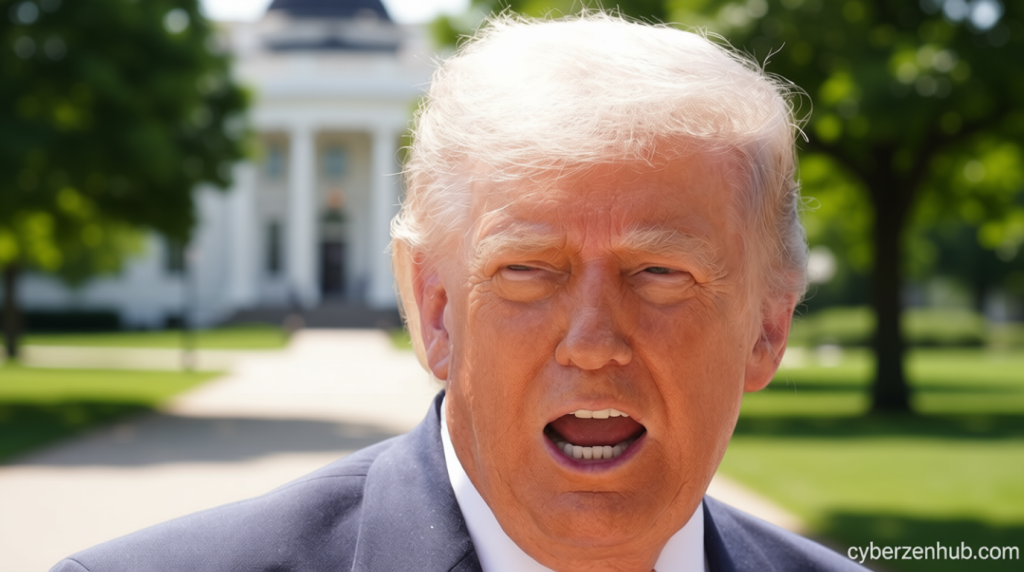
DOJ Addendum to Trump Settlement Bars IRS Audits of His Family and Businesses
DOJ addendum to Trump settlement ends – On Tuesday, the Department of Justice (DOJ) released a new addendum to its settlement agreement with former President Donald Trump, effectively halting IRS audits of the president, his family members, and affiliated companies. The document, signed by acting Attorney General Todd Blanche and made public via the DOJ’s website, stipulates that the IRS is “forever barred and precluded” from initiating or conducting examinations of Trump’s tax filings or those of related entities. This provision applies to all matters currently under review or that could arise in the future, according to the filing.
The DOJ’s subsequent statement clarified that the addendum specifically targets existing audits, not those that may occur afterward. This clarification aims to address concerns that the settlement might grant Trump immunity from future scrutiny. The addendum builds on a broader settlement announced Monday, which includes a $1.776 billion “Anti-Weaponization Fund” designed to reimburse individuals who claim they were unfairly targeted by the Biden administration. In exchange, Trump agreed to drop his $10 billion lawsuit against the IRS, as well as two civil claims related to the Russia collusion investigation from his first term and the 2022 audit of his Mar-a-Lago estate.
Political Backlash and Legal Concerns
The agreement has drawn criticism from Democrats and some Republicans, with a coalition of House Democrats labeling it “collusive litigation” intended to redirect public funds into Trump’s personal accounts. They argue the settlement undermines the separation of powers by allowing the executive branch to shield Trump from judicial review. Additionally, critics highlight that the civil claims against Trump may have exceeded the two-year statute of limitations for certain legal actions. Despite these objections, the DOJ maintains the settlement is a necessary resolution to the ongoing disputes.
Trump’s legal battle with the IRS began in 2023 after a government contractor admitted to stealing the president’s tax information and leaking it to media outlets in 2019 and 2020. The contractor’s guilty plea revealed that Trump’s tax returns had been scrutinized for years, prompting the president to sue the IRS for allegedly targeting him. The lawsuit sought to block further audits and establish a precedent for future tax disputes.
Financial Implications of the Audit Bar
While the settlement does not provide Trump with direct financial compensation, the audit prohibition could yield significant benefits. The addendum covers all tax returns filed before its effective date, potentially shielding Trump and his associates from costly investigations. In 2024, the New York Times reported that a prolonged IRS audit of Trump’s finances could result in a tax liability exceeding $100 million. This raises questions about the settlement’s impact on the president’s financial standing and whether the audit bar will alleviate future tax burdens.
The Anti-Weaponization Fund, a key component of the settlement, is meant to compensate those who believe they were unjustly audited under the Biden administration. However, the fund’s allocation remains unclear, with some lawmakers suggesting it could extend to Jan. 6 rioters or others involved in political controversies. This aspect has fueled debates over the fairness of the settlement and its potential to influence public perception of Trump’s financial practices.
Trump’s Claims of IRS Scrutiny
Throughout his presidency, Trump has repeatedly asserted that he faced relentless IRS audits for over a decade, a claim he used to justify withholding his tax returns during the 2016 and 2020 elections. During a 2016 presidential debate, Trump stated,
“As far as my return, I want to file it, except for many years, I’ve been audited every year. Twelve years, or something like that. Every year they audit me.”
This sentiment was echoed in September 2020, when Trump remarked,
“They’ve been under audit for a long time. The IRS does not treat me well. They treat me very badly. You have people in the IRS—they’re very— they treat me very, very badly. But they’re under audit. And when they’re not, I would be proud to show you.”
These statements underscored his belief that the IRS targeted him unfairly, a narrative central to his lawsuit.
When the House Ways and Means Committee released Trump’s tax returns in 2022, the documents highlighted discrepancies in his federal tax payments. For instance, in 2016, Trump and his wife, Melania, reported a loss of $32.4 million but paid just $750 in federal taxes. The following year, they declared a $12.9 million loss and paid even less. In 2018, they reported $24.3 million in income but paid $999,456 in taxes. By 2020, they had again claimed a $4.8 million loss, resulting in zero federal tax liability. These figures have been used by critics to argue that the settlement’s terms unfairly benefit Trump by preventing further examination of his financial strategies.
Analysts suggest the audit bar could be a strategic move to shield Trump from potential liabilities tied to his tax filings. However, the settlement also includes provisions that allow the IRS to continue investigating his businesses and family members, creating a nuanced balance between protection and accountability. The addition of the Anti-Weaponization Fund introduces another layer of complexity, as it shifts the focus from direct compensation to broader political and financial implications.
The settlement’s scope has sparked discussions about its long-term effects on the IRS’s authority and the president’s ability to manage his financial affairs. While the DOJ emphasizes that the agreement resolves existing disputes, it has left room for future debates over whether the audit prohibition sets a precedent for executive influence over tax enforcement. Critics argue that the settlement effectively grants Trump a “get out of jail free” card, while supporters contend it provides a fair resolution to the legal challenges he faced.
As the political landscape continues to evolve, the audit bar and its associated fund will likely remain focal points of analysis. The decision to finalize the addendum marks a pivotal moment in Trump’s legal history, reinforcing his claims of IRS overreach and setting the stage for future scrutiny of his financial practices. The balance between protecting the president and ensuring transparency will be critical in determining the settlement’s legacy in the years to come.