
DOJ charges prosecutor with attempting to steal report on Trump’s classified docs case
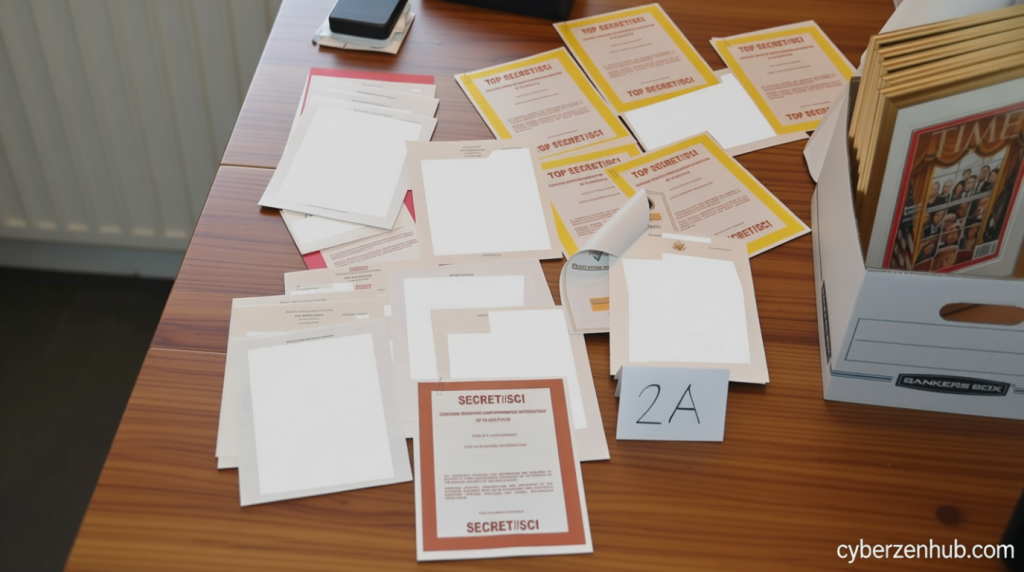
DOJ Charges Prosecutor in Trump’s Classified Docs Report Theft
DOJ charges prosecutor with attempting to steal – The Department of Justice (DOJ) has initiated legal action against a senior federal prosecutor, Carmen Mercedes Lineberger, for allegedly attempting to steal a confidential report concerning President Donald Trump’s classified documents case. The charges, revealed on Wednesday, were unsealed in a federal court in West Palm Beach, Florida, and accuse Lineberger of downloading the sealed document to her work computer and sending it to a personal email account in January 2025. This act, according to the DOJ, was an attempt to access the report prior to its official release, sparking a new layer of scrutiny in the ongoing investigation.
Secret Report and Legal Tensions
The report, authored by Special Counsel Jack Smith during the Trump administration, has remained classified for over a year. It was designed to detail Trump’s alleged criminal conduct, including the retention of classified materials after leaving office and potential obstruction of justice. The DOJ had initially argued for keeping the report confidential, citing national security concerns, but Trump’s legal team contested this, claiming it should be made public to ensure transparency. This debate over classification has now become a central issue in the case against Lineberger.
U.S. District Judge Aileen Cannon played a key role in maintaining the report’s secrecy. In a pivotal ruling earlier this year, she permanently barred the DOJ from releasing the document, a decision that has intensified legal battles. The report’s content, which outlines Trump’s alleged violations, is now under investigation for possible leaks, with Lineberger’s actions raising questions about the integrity of the prosecution’s process.
Allegations and Implications
Lineberger, who serves as a managing assistant U.S. attorney in Fort Pierce, Florida, is charged with four felony counts. Prosecutors allege she renamed the report as “Bundt_Cake_Recipe.pdf” to mask its true identity before transferring it to her personal Gmail account via her DOJ email. This act of downloading and sharing the document without authorization is being scrutinized as a potential breach of trust, though her motives remain under debate.
The DOJ’s indictment highlights Lineberger’s alleged attempt to steal sensitive information, which could affect the credibility of the classified documents case. By transmitting the report to a private account, she may have risked exposing critical details to unauthorized parties. This incident has drawn attention to the internal conflicts within the DOJ, where some prosecutors may have sought to influence public perception through selective leaks.
Lineberger’s legal team has not yet provided detailed comments on the charges, leaving the public to speculate about her defense strategy. The case now centers on whether her actions constitute a deliberate attempt to undermine the DOJ’s efforts to keep the report confidential, or if they were an accidental breach. As the trial progresses, the implications for the classified documents case could extend beyond Lineberger’s individual role.
“This is an attempt to steal a key piece of evidence that could shape the public’s understanding of the case,” said a DOJ spokesperson in a statement released alongside the indictment.
Broader Context and Public Reaction
Lineberger’s alleged actions are part of a larger controversy surrounding the classified documents case. The report, which remains a critical tool in the DOJ’s case against Trump, has been central to the legal arguments between the prosecution and defense. Trump’s team has argued for the report’s secrecy, while critics have called for its release to ensure accountability. The DOJ’s decision to charge Lineberger underscores its commitment to preserving the confidentiality of the document, even as internal tensions surface.
As the legal proceedings unfold, the case against Lineberger has sparked discussions about the balance between transparency and security in high-profile investigations. The charges emphasize the DOJ’s focus on protecting sensitive information, but they also highlight the risks of leaks within the agency. Public reaction to the indictment has been mixed, with some supporting the DOJ’s stance and others questioning whether the charges are being used to silence dissenting voices in the case.