All eyes turn to Fed chair Kevin Warsh and his first moves on interest rates
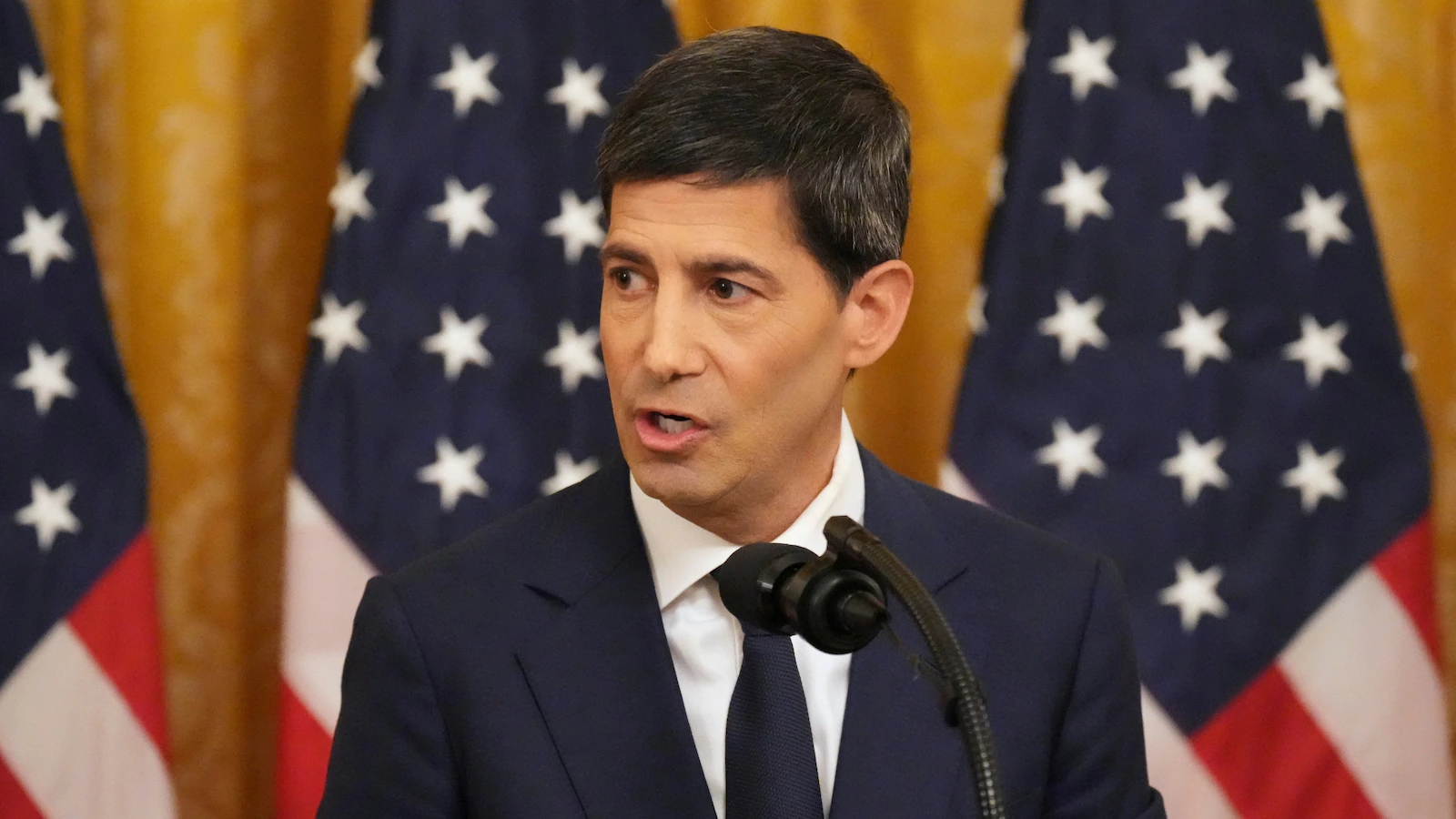
Cyberzenhub.com – Washington, D.C.—Since Kevin Warsh’s confirmation as Federal Reserve chair in late January, the economic landscape has been under close scrutiny. The central bank’s decision on interest rates has become a focal point, with speculation mounting about whether the new leader will prioritize taming inflation or align with former President Donald Trump’s call for rate cuts. On Wednesday, the Federal Reserve is set to hold its first policy meeting under Warsh’s leadership, followed by a news conference that could reveal the direction of monetary policy. Financial markets, particularly bond traders, are anticipating insights from the chair, whose remarks may shift investor sentiment overnight.
Warsh’s Policy Ambiguity
Kevin Warsh’s tenure at the helm of the Fed has sparked a mix of anticipation and uncertainty. While his predecessors, including Jerome Powell, have often been vocal about their strategies, Warsh’s approach appears more reserved. “We expect the press conference to be pivotal,” noted Jonathan Pingle, an economist at UBS, in a recent analysis. “This will be Kevin Warsh’s first public appearance as Chair. …We do not really know what his policy views are.” The challenge for Warsh lies in navigating a complex economic environment where inflation remains a dominant concern.
“We expect the press conference to be pivotal,” Jonathan Pingle, an economist at investment bank UBS, wrote in a note. “This will be Kevin Warsh’s first public appearance as Chair. …We do not really know what his policy views are.”
Analysts suggest Warsh is likely to adopt a neutral stance, balancing the need to control inflation with the potential for economic growth. This strategy could involve maintaining the current interest rate level for several months before considering adjustments. The decision hinges on the Fed’s ability to stabilize price growth without stifling job creation or consumer spending.
Economic Indicators and Market Expectations
Recent data highlights the Fed’s dilemma. Inflation has surged to a three-year peak of 4.2%, driven largely by climbing gasoline prices and persistent supply chain disruptions. This has made rate cuts less appealing, as they could fuel further demand and push prices higher. Meanwhile, employment trends have shown improvement since the start of the year, reducing the urgency for accommodative policies. The labor market’s strength suggests that the economy may not require immediate stimulus, at least in the near term.
Oil prices have also dipped sharply following news of a tentative agreement between the U.S. and Iran to end their conflict. While this development could ease inflationary pressures, its long-term impact remains unclear. “The right thing to do now is wait and see,” remarked William English, a Yale School of Management economist and former top Fed analyst. “There are still uncertainties about the sustainability of this deal.” Such volatility underscores the Fed’s cautious approach, as it seeks to avoid overreacting to short-term fluctuations.
Trump’s Influence and the Rate Outlook
Even Trump, a vocal advocate for lower rates, has softened his stance. In a recent interview on NBC’s “Meet the Press,” the former president acknowledged that rate hikes might be necessary. “Kevin is fantastic and I want him to do whatever he wants,” he said, but added, “there’s no reason to raise rates.” This shift reflects a broader acknowledgment of inflation’s persistence, though it does not signal a complete abandonment of his earlier demands.
Markets are closely watching the Fed’s likely decision to keep its key rate at 3.6%, unchanged since December of last year. While rate cuts could lower borrowing costs for mortgages, auto loans, and business financing, the central bank may opt for a more measured approach. Analysts predict that Warsh will move away from aggressive language suggesting imminent rate reductions and instead adopt a neutral tone. This subtle shift could signal a long-term strategy focused on stability rather than rapid intervention.
Projecting the Fed’s Path Forward
On Wednesday, the Fed will also release its quarterly economic forecasts, a critical document for gauging future policy moves. Earlier projections indicated one rate cut in 2026, but revised outlooks now suggest no changes for the year. Instead, the central bank may outline a scenario with one or two cuts in 2027, assuming inflation continues to ease. Warsh has criticized these projections for offering excessive “forward guidance” to financial markets, which he believes can create inflexibility in decision-making.
“Forward guidance has led Fed officials to commit to their forecasts for extended periods, even as economic conditions evolve,” Warsh stated in a prior commentary. His skepticism of this practice may influence the upcoming release, where he could choose to participate in the projections or distance himself from them. This decision would have significant implications for market expectations and the Fed’s credibility.
Leadership Style and Policy Priorities
Outside of monetary decisions, Warsh’s leadership style is expected to differ from Powell’s. Colleagues describe him as more reserved, favoring internal debates over public pronouncements. Powell, known for his straightforward communication, often engaged with the media and provided clear rationales for policy shifts. In contrast, Warsh has hinted at a preference for a more discreet approach, drawing inspiration from Alan Greenspan, the Fed’s chair from 1987 to 2005.
“He’s just going to say less, because he doesn’t find that stuff very helpful,” said Robert Tetlow, a former senior policy advisor. This approach could streamline decision-making but may also reduce transparency. Warsh’s emphasis on behind-the-scenes analysis may prioritize data-driven strategies over public narratives, reshaping the Fed’s communication strategy for the coming years.
Broader Implications and Market Reactions
The Fed’s actions under Warsh’s leadership will have ripple effects across the economy. Maintaining rates at 3.6% could support the dollar’s strength, which in turn affects global trade and investment flows. However, it may also keep borrowing costs elevated, potentially slowing business expansion and consumer spending. The balance between these outcomes will define the effectiveness of the Fed’s strategy in the coming months.
As the central bank prepares to unveil its next steps, the stakes are high. The decision will not only shape the U.S. economy but also signal the Fed’s readiness to adapt to evolving challenges. With Warsh at the helm, the focus will shift toward a blend of stability and flexibility, as policymakers navigate a landscape where inflation and growth remain intertwined.
Additional Headlines
Meanwhile, other major news stories continue to dominate the headlines. On June 14, it was reported that the U.S. and Iran have reached an initial deal to reopen the Strait of Hormuz, a development that could stabilize oil markets. In California, a tragic incident occurred on June 15 when an Air Force B-52 bomber crashed shortly after takeoff, resulting in the deaths of eight individuals. Separately, Karmelo Anthony, the former NBA player, was sentenced to 35 years in prison for a murder committed during a Texas track meet stabbing. These events highlight the diverse range of issues shaping public discourse, while the Fed’s next move remains the central economic question for now.