Trump Administration Unveils List of Materials Removed from National Parks
Cyberzenhub.com – The Trump administration has released a list detailing the materials taken down from national parks nationwide, which focus on civil rights, diverse populations, science, and environmental issues. This list, disclosed on Wednesday, was part of a legal filing initiated by multiple advocacy groups. The Interior Department is currently challenging a federal judge’s directive to reinstate these materials, aiming to align with the upcoming America 250 celebrations on July 4. The document outlines the specific items removed, their locations, and the rationale behind their exclusion, though it does not include visual examples of the content deemed objectionable by the National Park Service (NPS).
Examples of Removed Materials Highlight Controversial Themes
The list includes a variety of items, such as informational signs about climate change at Acadia National Park in Maine and Jamaica Bay Wildlife Refuge in New York. Materials related to civil rights, like exhibits at the National Mall in Washington, D.C., and the Medgar and Myrtle Evans Home National Monument in Jackson, Mississippi, were also taken down. Additionally, references to slavery at the President’s House in Philadelphia and content addressing women’s rights at the Gateway National Recreation Area in New York were removed. These selections underscore the administration’s focus on curating historical narratives that align with its ideological stance.
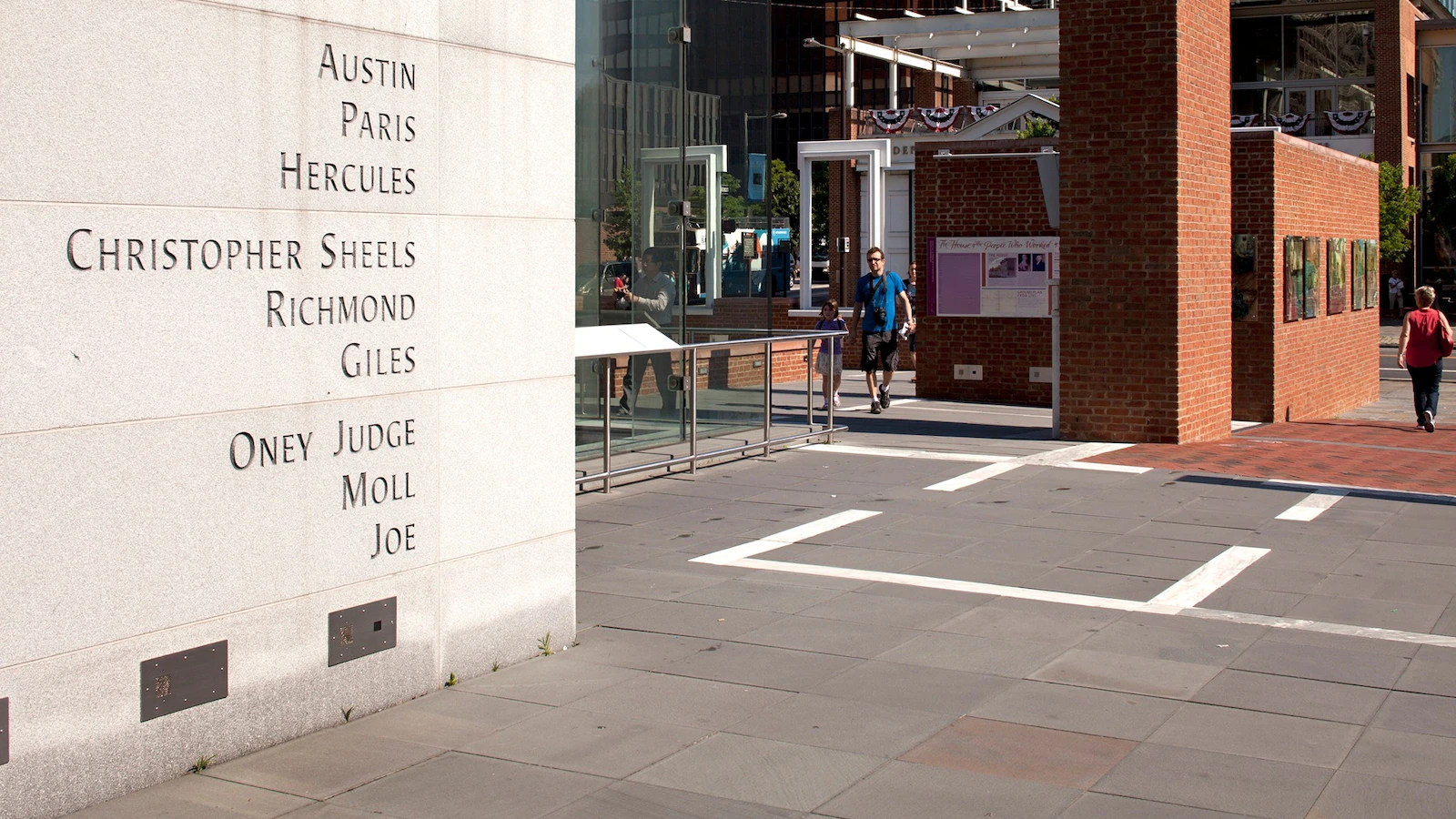
One notable example is the removal of a display at the President’s House Site, which featured the names of nine enslaved individuals who lived in the household of George Washington. The NPS provided a reason for this action, stating that the materials “disparages Americans past or living.” This phrasing was used to justify the elimination of content that highlights civil rights, diverse communities, and the atrocities committed against Native Americans by the United States. Similarly, items related to environmental science were labeled as “unrelated to the beauty, abundance, and grandeur of the national landscape,” a claim that sparked debate among historians and environmental advocates.
Interior Department’s Argument Against Restoration
A representative from the Interior Department affirmed to ABC News that the government is actively pursuing an appeal against the judge’s order to restore the removed content. “We firmly believe that language denigrating our Founding Fathers is politically charged and unnecessary,” the spokesperson stated. “Such content only deepens divisions among Americans.” They emphasized the administration’s goal of fostering meaningful dialogue at cultural and historical sites, stating that they aim to “encourage visitors to engage in conversations about the events that have shaped our nation.”
The spokesperson further explained that the administration seeks to “reinforce a shared understanding of our history and ensure that future generations inherit not only the land we cherish but also the truth of the journey that brought us to this point.” This statement reflects the broader strategy of the Trump administration to reshape public narratives around historical and scientific themes in national parks. The removal of these materials, they argue, is part of a larger effort to present a more favorable image of the country’s foundational principles.
Federal Judge’s Ruling and Legal Challenges
In a ruling issued on Friday, U.S. District Judge Angel Kelley mandated the restoration of the removed materials, calling their removal “a dangerous precedent of censorship and sanitization.” She set a deadline of July 3 for the government to complete the reinstatement, highlighting the urgency of the decision. Kelley’s ruling emphasized the importance of preserving diverse perspectives within national parks, which are meant to reflect the nation’s collective history.
Following the judge’s order, the federal government filed a motion seeking an emergency stay to temporarily halt the restoration process. This motion, submitted to the appeals court, asserts that the restoration of the materials would cause “irreparable harm.” In response, the court requested that the government provide the list of changes and the current state of the materials, stating this information is crucial for evaluating the claim. The motion underscores the ongoing legal battle between the administration and the organizations advocating for the preservation of historical context in national parks.
Executive Order as Basis for Removal
The removal of these materials was carried out in accordance with a March 27, 2025, executive order issued by President Donald Trump. This directive instructed the Interior Department to eliminate content that portrays the United States’ “founding principles and historical milestones in a negative light.” The order has been central to the administration’s efforts to reshape the narrative presented in national parks, focusing on themes that align with its vision of American history.
A coalition of organizations, including the National Parks Conservation Association, filed a complaint in February to challenge the removal of the materials. The coalition argues that national parks belong to the American people and that any form of censorship contradicts the values these sites are meant to embody. Alan Spears, a senior director at the National Parks Conservation Association, one of the organizations involved in the lawsuit, stated, “National parks belong to the American people, and censorship of any kind goes against the values these places represent.” His comments reflect the broader concern that the removal of materials risks erasing important historical and social perspectives from public spaces.
The legal dispute highlights the tension between the government’s interpretation of historical narratives and the public’s expectation of comprehensive representation. While the Interior Department defends the removal as a necessary step to preserve the “beauty and grandeur” of national landscapes, critics argue that it diminishes the role of national parks as educational institutions. The case also raises questions about the balance between curating historical content and allowing diverse viewpoints to coexist, a debate that has intensified as the America 250 celebrations approach.
Public Reaction and Ongoing Implications
The decision has drawn mixed reactions from the public. Some support the administration’s effort to simplify historical narratives, believing it enhances the visitor experience by focusing on the nation’s foundational achievements. Others, however, view the removal as an attempt to downplay the complexities of American history, including its struggles with inequality and environmental challenges. This divide has sparked discussions about the role of national parks in shaping public understanding and the importance of including all aspects of the nation’s story.
As the legal process continues, the outcome of this case could set a precedent for future changes to historical content in national parks. The administration’s appeal may lead to a broader reevaluation of how such sites are curated, potentially influencing the inclusion of materials on civil rights, climate change, and other contemporary issues. Meanwhile, the coalition of organizations remains committed to ensuring that these parks serve as accurate and inclusive reflections of the United States’ past and present.
The removal of materials from national parks has also sparked a wider conversation about the role of public institutions in preserving historical truths. While the Interior Department maintains that the changes are aimed at promoting unity and clarity, the case underscores the ongoing debate over how history should be taught and represented. As the deadline for the restoration of materials approaches, the public and legal community await the next steps in this evolving story, which promises to highlight the intersection of history, politics, and environmental advocacy in shaping the nation’s cultural heritage.