Key Takeaways from the 14-Point Memorandum of Understanding Between the U.S. and Iran
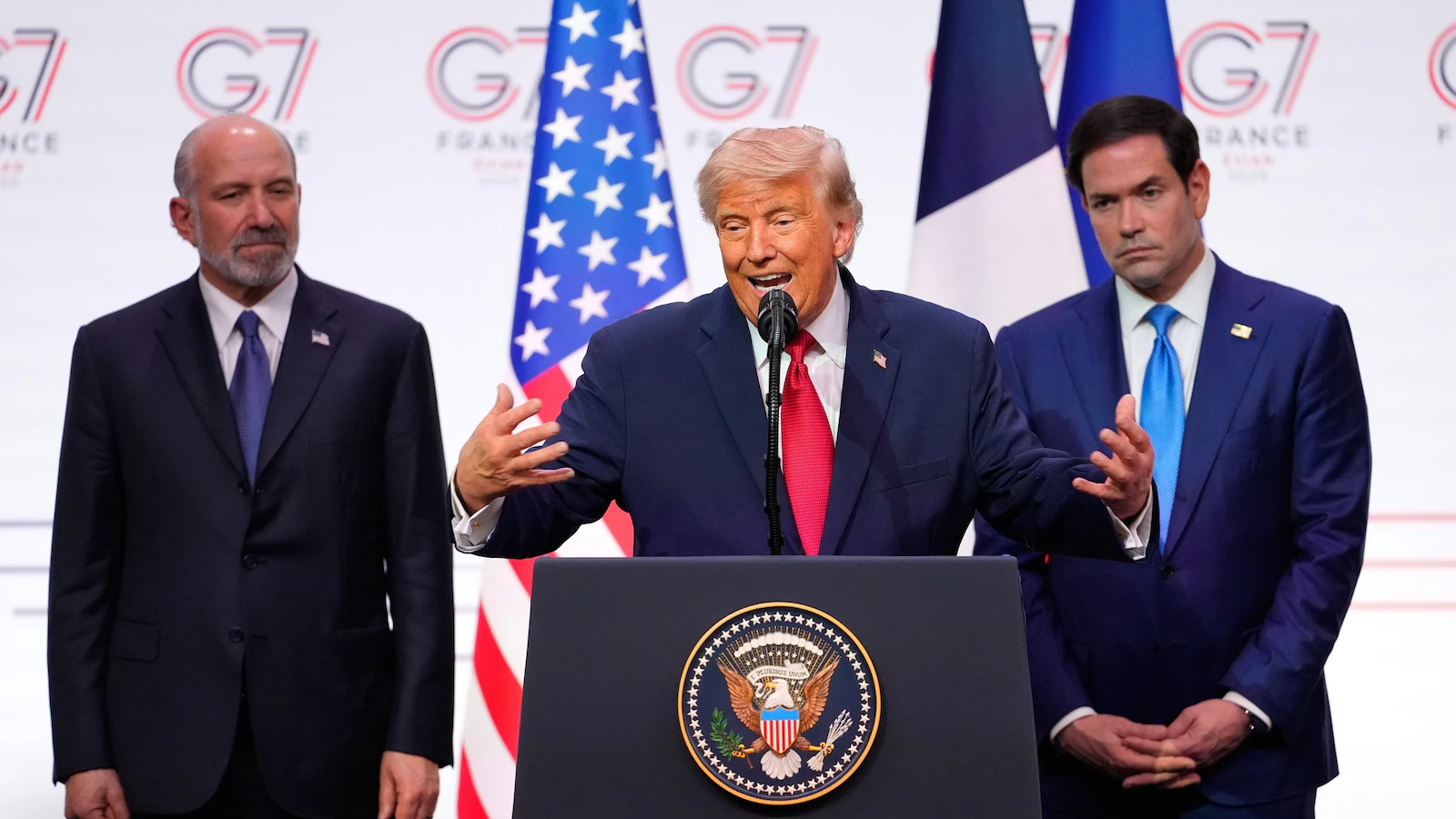
Cyberzenhub.com – Following President Donald Trump’s initial announcement, U.S. officials on Wednesday provided specifics about the 14-point memorandum of understanding with Iran. The agreement outlines several immediate actions, including the reopening of the Strait of Hormuz to commercial shipping, the removal of the U.S. naval blockade on Iranian ports, and a 60-day pause on hostilities to facilitate nuclear negotiations. While the terms were shared during a press call as Trump addressed the G-7 summit in France, the written version of the MOU has not yet been disclosed. An official confirmed that the language is finalized and signed, with a formal ceremony planned later this week.
The Strategic Opening of the Strait of Hormuz
The Strait of Hormuz, a vital maritime passage for global oil trade, will be reopened for commercial traffic. This move aims to restore shipping to pre-war levels, a critical step for stabilizing energy markets. However, the agreement allows Iran to influence future decisions regarding tolls or restrictions on the strait, as the MOU delegates this authority to Iran, Oman, and other Gulf nations. This arrangement raises questions about long-term control of the region, though U.S. officials argue that tolls will not be reimposed after the 60-day period. They claim that Persian Gulf states will not accept a deal that limits free access to the strait for their industries.
“If they don’t honor that, we’ll probably go back to bombing them until they honor it,” Trump said in France. “You know, it’s amazing what bombs can do.”
Despite the temporary easing of tensions, skepticism remains about the agreement’s durability. Trump’s remark underscores the U.S. commitment to enforcing terms through military action if needed. A senior official referred to the MOU as a “gentleman’s agreement,” questioning its reliability with Iranian counterparts. The U.S. also pledged to lift its naval blockade, which had disrupted maritime trade and contributed to rising global gas prices by restricting movement through the strategic waterway.
Iran’s Nuclear Pledge and Ongoing Negotiations
Iran has reaffirmed its commitment to not developing nuclear weapons, a promise it has made for over five decades. While this commitment is longstanding, the MOU emphasizes it as a crucial step in current negotiations. The agreement allows for further discussion on the down-blending of highly enriched uranium, which could help reduce Iran’s nuclear capabilities. The U.S. acknowledges that this is the minimum requirement, with officials stating they will seek more concessions in future talks. “We will push for more than that, but the fact that they’re conceding to that is a major, major win for the United States of America,” one official noted. “They’re saying we will destroy the enriched stockpile, and this is how we’re going to do it at a minimum.”
Oil Sales and Financial Relief for Iran
Under the MOU, the U.S. will permit Iran to sell its crude oil immediately after the agreement is signed. This decision comes as a financial boon for Iran, which has endured years of economic sanctions. The Treasury Department will issue waivers to facilitate these exports, allowing the nation to access markets that had been closed to it. Additionally, the U.S. has committed to releasing frozen or restricted funds and assets of Iran, potentially totaling around $100 billion. However, this financial relief is conditional on Iran’s continued adherence to the agreement’s terms.
The MOU also includes provisions for a $300 billion reconstruction fund, intended to support Iran’s economic recovery. This account will be developed in collaboration with regional partners during the 60-day negotiation window. While the specifics of the fund are yet to be determined, the U.S. views it as a way to rebuild trust and promote stability in the region. The financial terms of the agreement, however, remain vague, leaving room for interpretation and future disputes.
Uncertainty and the Road Ahead
Although the MOU outlines immediate steps, it does not guarantee a lasting resolution. The temporary nature of the 60-day pause on fighting highlights the fragile progress. U.S. officials have emphasized that this is a starting point rather than a final agreement, acknowledging the need for deeper discussions on nuclear programs and sanctions. The agreement’s success will depend on Iran’s willingness to meet obligations and the U.S. ability to enforce its commitments.
As the details of the MOU are still being finalized, experts caution that the agreement’s effectiveness will hinge on transparency and accountability. The temporary removal of sanctions and the financial support provided to Iran are seen as incentives for compliance, but they also raise concerns about the U.S. stance on nuclear proliferation. With the stakes high, both nations must navigate complex geopolitical dynamics to ensure the agreement serves as a foundation for lasting peace.
Historical Context and Future Implications
The 14-point memorandum builds on a history of U.S.-Iran negotiations, which have oscillated between cooperation and conflict. While the current agreement marks a significant breakthrough, it also reflects the challenges of balancing immediate interests with long-term goals. The reopening of the Strait of Hormuz, for instance, addresses a pressing economic issue but does not resolve the underlying tensions over Iran’s nuclear ambitions.
Experts note that the agreement’s success may depend on how well it aligns with broader regional interests. The inclusion of Oman and other Gulf states in decision-making processes is a strategic move to foster collaboration and ensure mutual benefits. However, the lack of a formal treaty and the reliance on a “gentleman’s agreement” leave room for renegotiation or reversal. The U.S. remains focused on securing Iran’s compliance, while Iran seeks to maintain leverage in the talks.
As the formal signing ceremony approaches, the international community watches closely. The MOU’s temporary measures and conditional language suggest a cautious approach, with both sides aiming to avoid immediate confrontation while laying the groundwork for a more permanent accord. The coming weeks will determine whether this agreement can transition from a provisional step to a sustainable framework for U.S.-Iran relations.
In summary, the 14-point memorandum represents a critical but incomplete step toward resolving long-standing disputes. While it provides immediate relief and opens channels for dialogue, the terms remain subject to interpretation and enforcement. The agreement’s impact will depend on the cooperation of all involved parties and the ability to turn temporary concessions into enduring commitments.