Spencer Pratt Speaks Out Before Los Angeles Mayoral Primary Next Week
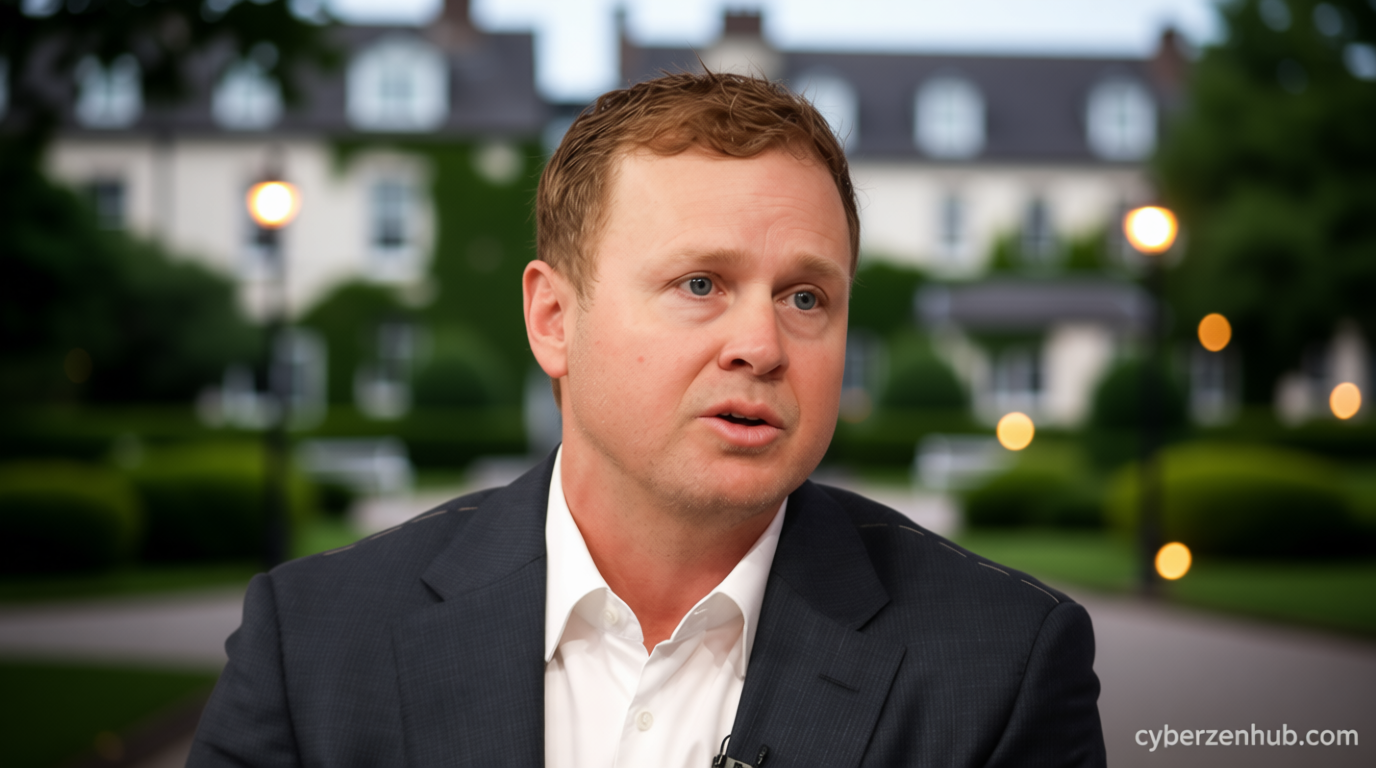
Cyberzenhub.com – In the lead-up to the June 2 mayoral primary, independent candidate Spencer Pratt has been actively addressing key challenges facing Los Angeles. During a recent interview with ABC News’ Diane Macedo, which aired on Friday, the entrepreneur and former reality TV star outlined his vision for the city while directly critiquing his primary rivals. Pratt, who is running as a Republican but under an independent banner, has positioned himself as a bold alternative in a fiercely contested race.
Accusations of Mismanagement and Leadership Gaps
Pratt focused heavily on the city’s handling of recent crises, particularly the 2025 wildfires and the ongoing homelessness epidemic. He pointed fingers at both incumbent Mayor Karen Bass and city council member Nithya Raman, accusing them of failing to act decisively during the disaster. “The city didn’t prepare properly for the wildfires, and that’s why they were so devastating,” Pratt asserted. His remarks also targeted Bass’ absence during the initial outbreak of the fires, which occurred while she was on a diplomatic mission to Ghana.
“It was one of the worst moments of my life to not be here when my city needed me,” Bass explained at a recent debate, defending her decision to leave for the trip. Pratt, however, framed her absence as a sign of negligence, emphasizing the impact of her inaction on residents.
While Bass defended her choices, Pratt argued that the crisis demanded immediate leadership. His critique extended to the broader policy approach of both opponents, whom he described as prioritizing short-term solutions over long-term prevention. “They need mandatory treatment like any addict to get off of fentanyl or super meth,” he said, linking addiction to the homelessness issue. “It’s not empty beds; it’s people suffering in their own waste.”
Close Race and Polling Insights
A UC Berkeley-L.A. Times poll released Thursday revealed a tight contest among the top contenders. The survey showed Karen Bass leading with 26% support, Nithya Raman trailing closely at 25%, and Pratt securing 22%. Despite these numbers, Pratt downplayed the significance of the poll, suggesting it reflected a snapshot rather than a definitive gauge of public opinion.
“I don’t go off of any polling,” he said, dismissing the data as a minor indicator. “My voters are busy trying to keep their family safe. I would say that’s, if anything, it’s a cute little poll.”
Pratt’s campaign has drawn attention for its unconventional strategies. Running as an outsider in a field of over 10 candidates, he has garnered backing from notable Republican figures, including former President Donald Trump. His independent status has allowed him to distance himself from traditional party politics, a stance he has reinforced by rejecting endorsements from current city council members.
Pratt’s message centers on a blend of economic, safety, and social priorities. He criticized the existing system for its inability to address the root causes of homelessness and drug addiction, advocating for proactive measures rather than reactive policies. “When we reallocate our tax money to public safety, to have a functioning city, it’ll be a lot easier to keep Angelo’s safe,” he argued, using a local slang term to emphasize his connection to the community.
Nonpartisan Race and Debate Qualifications
The June 2 primary is a nonpartisan event, meaning candidates do not align with specific political parties. This setup has created a unique dynamic, with Pratt standing out as a Republican running independently. Only three candidates—Bass, Raman, and Pratt—secured spots in the televised debate held on May 6, highlighting the competitive nature of the race.
Bass, a seasoned leader with over two decades in public office, has a track record that includes both the 2025 wildfires and initiatives aimed at reducing homelessness. Her Office of Community Safety, established to combat crime, and efforts to increase affordable housing have been central to her campaign. Meanwhile, Raman, elected in 2020, has focused on affordability, infrastructure, and a progressive agenda targeting homelessness, with a goal to cut the number of people sleeping in tents by half by the 2028 Olympics.
Pratt, who has yet to receive an endorsement from any sitting city council member, stated his priorities lie with grassroots support rather than institutional backing. “The only endorsement I seek and have are moms and animal lovers,” he said, underscoring his appeal to working-class families and environmental advocates. His campaign has also drawn scrutiny for its reliance on luxury accommodations, a point he addressed in a previous interview, noting that his team’s choice reflects a focus on comfort and accessibility for voters.
Competitive Landscape and Election Mechanics
With the primary scheduled for June 2, the race hinges on the outcome of the voting. If no candidate receives more than 50% of the vote, the top two will move on to the November general election. This structure means the race could become a two-candidate showdown, where each contender will need to refine their message to capture a larger share of the electorate.
Pratt’s strategy involves leveraging his outsider status to differentiate himself from Bass and Raman. He has emphasized his direct connection to the community, arguing that his approach is more compassionate and effective. “Right now, Angelos are not safe,” he said, stressing that his policies aim to create a more secure and livable environment for residents. His critique of the current administration’s handling of the wildfires and homelessness has been a consistent theme in his campaign, as he seeks to position himself as a leader who can prevent future disasters.
As the primary approaches, the candidates’ messages will face greater scrutiny. Pratt’s focus on emergency preparedness and community welfare aligns with his claim of being a “compassionate” leader, even as he faces accusations of being harsh on the homeless population. His ability to connect with voters in a city marked by deep political divides will be crucial in determining his success. With the debate having already taken place and the final weeks of campaigning ahead, the race is poised to reach its most intense phase.
The upcoming primary represents a pivotal moment for Los Angeles. With three strong contenders vying for the top spot, the city’s voters will have to weigh competing visions for the future. Pratt’s campaign, built on personal accountability and practical solutions, will be tested as he tries to convince residents that his approach is the most viable. As the June 2 date nears, the political landscape in Los Angeles continues to shift, with each candidate striving to secure the support needed to advance to the general election.
Legacy and Future Implications
Pratt’s bid for mayor has sparked conversations about leadership and innovation in urban governance. While some question his ability to implement large-scale reforms, others see him as a potential disruptor in a city where traditional politics have long dominated. His critique of the current administration’s handling of the 2025 wildfires and his emphasis on public safety have resonated with certain voter demographics, particularly those concerned with immediate threats to their communities.
As the primary approaches, the race remains a microcosm of broader political trends in Los Angeles. The city’s voters are split between those who favor established leaders and those who seek change. Pratt’s independent campaign has positioned him as a candidate who challenges the status quo, but his success will depend on his ability to translate this energy into tangible support. With the polls showing a narrow lead for Bass and Raman, the race is far from decided, and the next week will be critical in shaping the final outcome.
In the meantime, Pratt continues to focus on his message, dismissing polls as secondary to the core issues he believes are most pressing. “The real fight is about keeping people safe and providing real solutions,” he said, reinforcing his commitment to addressing both the immediate and long-term challenges facing the city. Whether his approach will resonate with voters remains to be seen, but one thing is clear: the Los Angeles mayoral race is shaping up to be a defining moment for the city’s political future.