Ebola Outbreak in Congo Hits 1,000 Cases, 254 Deaths
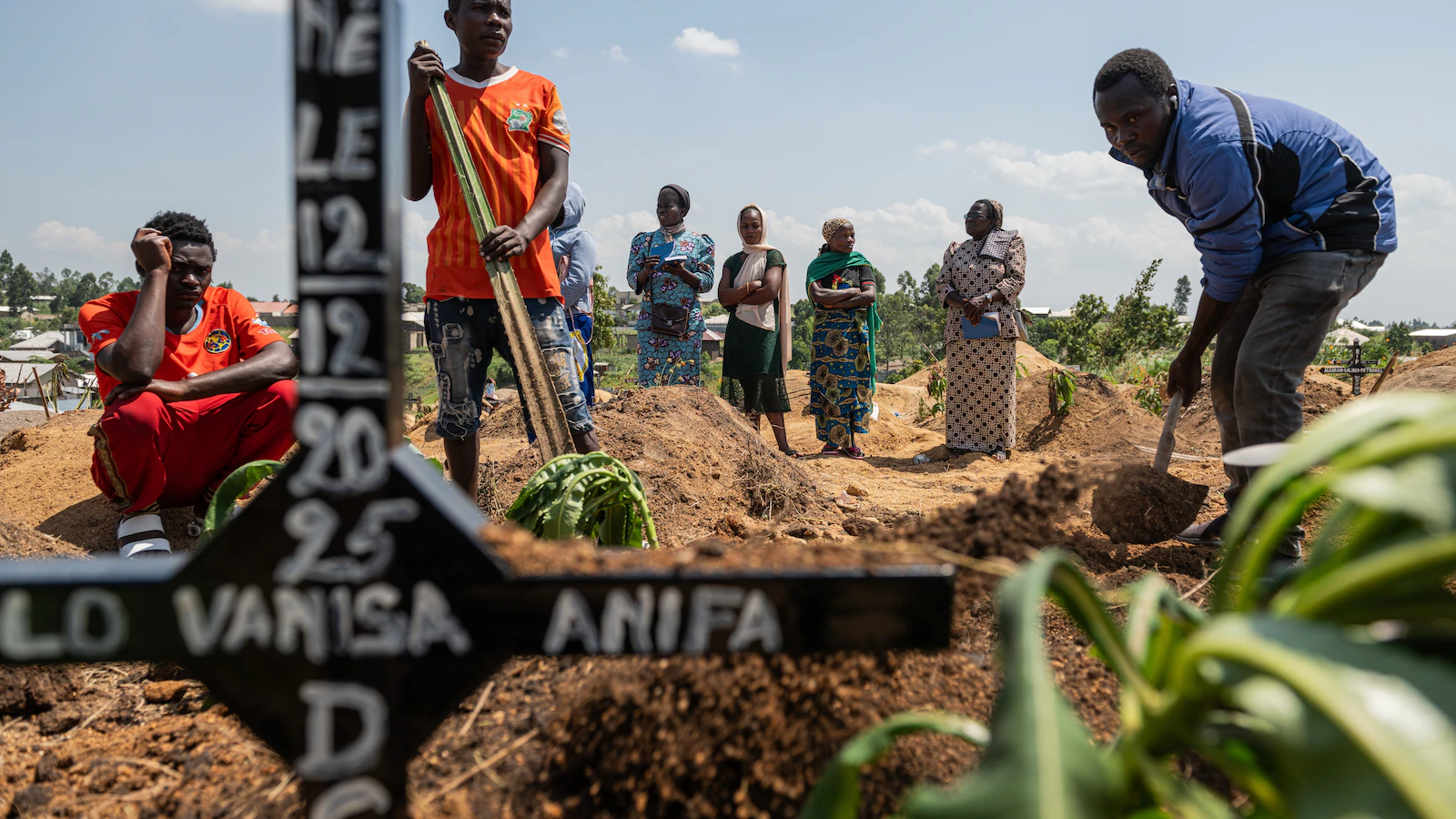
Cyberzenhub.com – The confirmed Ebola cases in Congo have surged past 1,000, with 254 deaths reported by health officials. This alarming development comes as the outbreak continues to spread rapidly in the eastern region of the country, particularly in Ituri province. While 100 individuals have recovered from the disease, the escalating numbers highlight the urgent need for improved containment measures. The Bundibugyo virus, which is driving the outbreak, has proven particularly challenging due to its high mortality rate and limited treatment options, raising concerns about the region’s capacity to manage the crisis effectively.
Challenges in Tracking and Containment
Health authorities face significant hurdles in controlling the confirmed Ebola cases in Congo. As of the latest update, over 365 patients are being treated in hospitals and isolation centers, though the actual figure could be higher due to underreporting and logistical difficulties. Contact tracing efforts have only achieved a 55% coverage rate in affected areas, making it hard to pinpoint the virus’s spread patterns. This partial success underscores the complexity of combating the outbreak in a region marked by political instability and resource shortages.
Dr. Jean Kaseya, Director-General of the Africa Centers for Disease Control and Prevention, acknowledged the difficulty in identifying the outbreak’s origin. “Confirmed Ebola cases in Congo must be addressed with precision,” he stated, emphasizing the importance of locating the first infected individual—referred to as “patient zero”—to implement targeted interventions. Despite these challenges, more than 35,000 people have been traced as potential contacts, showcasing the scale of the response, though the road to containment remains long and uncertain.
Conflict and Health Infrastructure Strains
The ongoing conflict in eastern Congo has severely impacted efforts to control the confirmed Ebola cases in Congo. Rebel groups like the Allied Democratic Force have disrupted healthcare operations, isolating villages and displacing communities. This has created overcrowded refugee camps, complicating outbreak monitoring and increasing the risk of transmission. In Bunia, the provincial capital, reports of unusual deaths in the Kigonze displacement camp have raised fears of a local epidemic within these crowded spaces.
Local officials in Bunia reported 10 deaths last week at the Kigonze camp, which houses over 20,000 displaced individuals. Although no confirmed Ebola cases in Congo had been identified at the site, the high mortality rate has prompted heightened vigilance. “We are now urgently investigating the cause of these deaths,” said a camp administrator, adding that the virus could spread rapidly in areas with limited medical access. This scenario reflects the broader struggle of displaced populations to navigate health crises amid conflict and instability.
Global Response and Resource Needs
The international community has expressed concern over the confirmed Ebola cases in Congo, with organizations like the World Health Organization closely monitoring the situation. The United Nations refugee agency warned that the outbreak could escalate into a major catastrophe if containment measures fail. “The risks to vulnerable populations are growing,” stated Charité Banza, a civil society leader in Ituri, emphasizing the precarious conditions in overcrowded camps. As the epidemic spreads, the focus has shifted to securing adequate resources to support frontline workers and prevent further outbreaks.
While the confirmed Ebola cases in Congo remain a critical issue, health officials are working to establish quarantine zones and educate communities on prevention. The Ministry of Health has called for increased international aid, citing the need for better medical supplies and personnel. Meanwhile, the Bundibugyo virus continues to challenge containment efforts, with its unpredictable spread patterns and lack of a widely available vaccine. “The peak of the crisis is still ahead,” a health ministry spokesperson warned, underscoring the urgency of a coordinated response.
As the outbreak in Congo progresses, the global health community is closely analyzing its trajectory. The high fatality rate associated with the Bundibugyo virus, combined with the region’s unstable environment, presents a formidable challenge. However, with continued international support and improved local strategies, there is hope that the confirmed Ebola cases in Congo can be brought under control. For now, the focus remains on containment, recovery, and ensuring that no community is left vulnerable to the virus’s spread.