Iran Live Updates: Israel Refuses to Withdraw from Lebanon Despite US-Iran Agreement
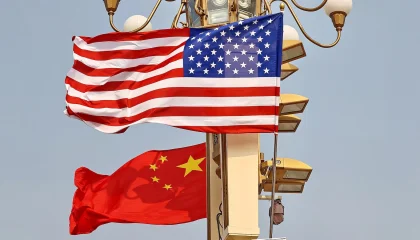
Cyberzenhub.com – President Donald Trump declared “major combat operations” against Iran on February 28, initiating a series of large-scale strikes conducted in collaboration with Israel. These attacks targeted military installations, government buildings, and critical infrastructure in Iran, signaling a significant escalation in the ongoing conflict. The operation was part of a broader strategy to disrupt Iran’s regional influence, with the U.S. and Israel coordinating efforts to weaken the country’s strategic capabilities. Despite the intensity of these actions, Trump later announced a two-week ceasefire, aiming to create a window for diplomatic engagement. However, initial discussions between the U.S. and Iran in Pakistan in April did not result in a lasting resolution, leaving tensions unresolved.
Following the ceasefire announcement, Trump extended the agreement indefinitely, stating that the U.S. would continue its economic sanctions against Iran until a final accord was reached. This decision was met with mixed reactions, as some allies questioned the long-term viability of the open-ended extension. Meanwhile, the U.S. military maintained its pressure on Iran’s infrastructure, targeting sites believed to be crucial for the country’s nuclear and ballistic missile programs. The talks in April, held in the Pakistani capital, were intended to address key issues such as Iran’s nuclear ambitions, regional security, and the U.S. sanctions regime. Yet, the negotiations stalled, with both sides failing to bridge critical differences.
On Sunday, Trump revealed that a significant breakthrough had been achieved between the U.S. and Iran, describing the agreement as a “great deal.” The deal, he claimed, would be formalized and signed on Friday, marking a potential shift in the geopolitical landscape. However, the minister’s statement about Israel’s decision to remain in Lebanon has raised questions about the agreement’s impact on regional dynamics. “Israel will not withdraw from Lebanon despite the new deal with Iran,” the minister asserted, emphasizing that the Israeli military’s presence was essential to maintaining security in the region.
“The U.S.-Iran agreement does not compel Israel to leave Lebanon. Our operations in Lebanon are vital to counter Iran’s growing threat, and we will continue them until the situation stabilizes,” the minister said during a press briefing.
The minister’s remarks underscore the complex interplay between the U.S., Iran, and Israel in the Middle East. While the U.S.-Iran deal aims to reduce hostilities and establish a framework for cooperation, it does not directly address Israel’s military actions in Lebanon. This has led to speculation about whether the agreement will lead to a broader peace initiative or merely pause the conflict temporarily. Analysts suggest that the U.S. may have prioritized securing a diplomatic framework over immediately forcing Israel to withdraw, given the strategic importance of Lebanon as a base for Iranian-backed militias.
Trump’s decision to extend the ceasefire and continue the economic blockade has been criticized by some as a pragmatic move to facilitate negotiations without compromising U.S. interests. The sanctions, which have been in place since 2018, target Iran’s oil exports, financial sector, and military activities. By keeping the blockade active, the U.S. ensures continued pressure on Iran to agree to terms that favor American objectives. However, the open-ended nature of the ceasefire has sparked concerns about its effectiveness, as it allows for potential resumption of hostilities at any time.
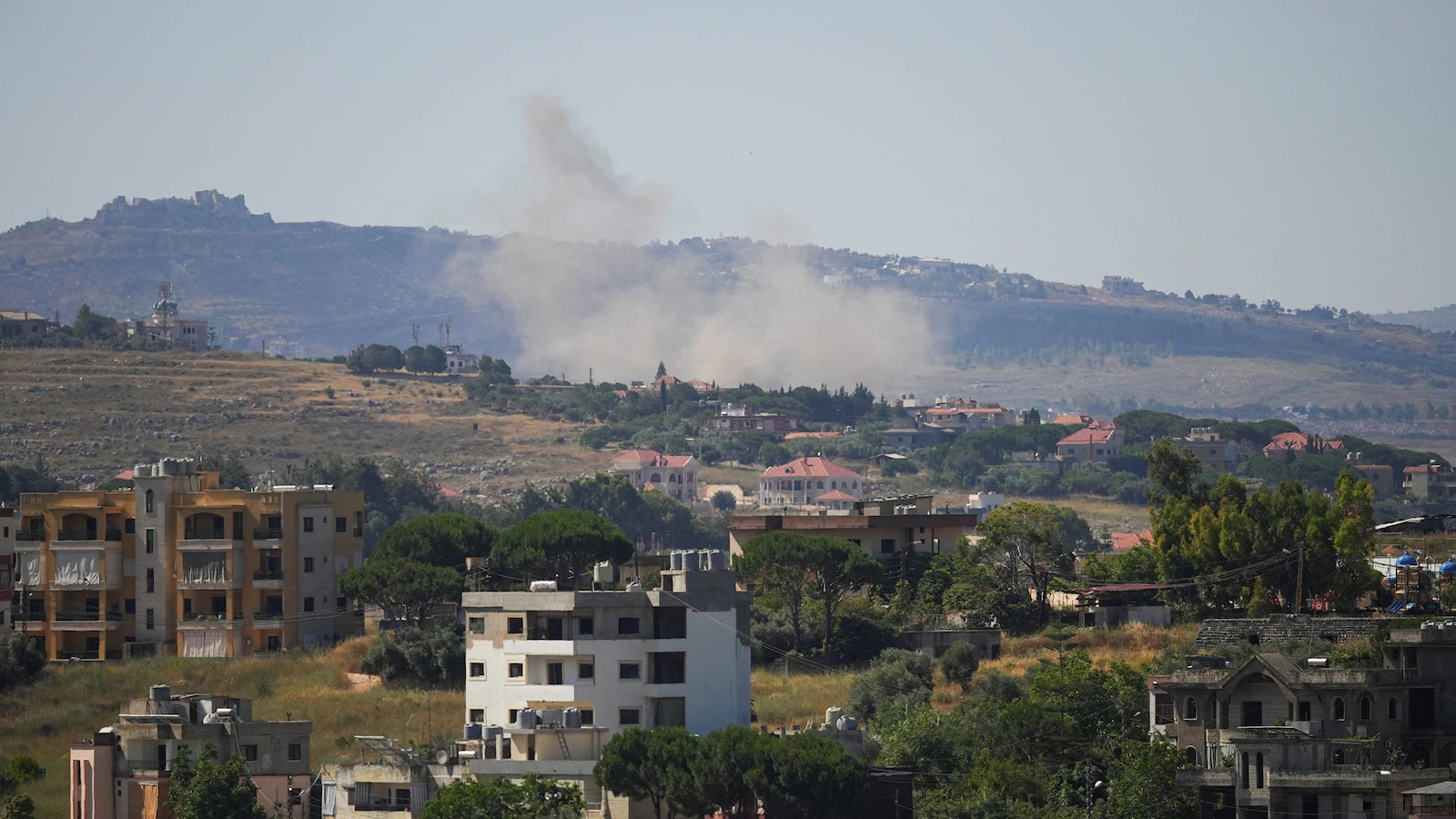
Despite the agreement, the situation in Lebanon remains volatile. Iranian-backed groups, such as Hezbollah, have been engaged in clashes with Israeli forces in the southern region, where they operate from bases near the border. The minister’s statement highlights that Israel’s presence in Lebanon is not only a military necessity but also a deterrent against Iranian expansion. “Lebanon’s strategic location makes it a critical front in the fight against Iran’s aggression,” the minister added. “Our forces are there to ensure that Iran cannot project power unchecked.”
International observers have noted that the U.S.-Iran deal, while significant, may not fully resolve the underlying tensions. The agreement is expected to include provisions for reducing Iran’s nuclear program, easing sanctions, and improving diplomatic relations. However, it does not address the Israeli military’s operations in Lebanon, which have been a point of contention among regional actors. Lebanon’s government, which has been under pressure from both Iran and Israel, may find itself in a difficult position as the conflict continues.
Trump’s approach to the Iran deal has also drawn attention to the role of economic leverage in diplomacy. By maintaining the blockade, the U.S. has signaled its commitment to using economic pressure to secure favorable terms. This strategy has been effective in the past, as seen in the 2015 Iran nuclear deal, but the current situation is more complicated due to the involvement of multiple regional players. The agreement’s success will depend on whether both sides can agree on key terms and whether the ceasefire can be sustained without renewed hostilities.
Meanwhile, the situation in Lebanon has prompted discussions about the potential for a regional coalition to address Iran’s growing influence. Some analysts argue that the U.S.-Iran deal could lead to increased cooperation between the U.S. and its Middle Eastern allies, including Israel and Saudi Arabia. However, the minister’s statement suggests that Israel will continue its independent actions, emphasizing its role as a key player in the region’s security. “The U.S. and Iran may reach an agreement, but Israel’s presence in Lebanon is a matter of national interest,” the minister clarified.
As the deal moves closer to being signed, the focus will shift to its implementation and the potential for broader regional cooperation. The U.S. and Iran will need to address not only their immediate concerns but also the long-term implications for the Middle East. Meanwhile, Israel’s decision to remain in Lebanon has set the stage for continued military activity, with the minister’s words reinforcing the country’s resolve to counter Iranian influence. The outcome of these developments could shape the future of Middle Eastern politics for years to come.
The announcement of the U.S.-Iran deal has also raised questions about the role of the international community in mediating the conflict. While the U.S. and Iran have made progress, other nations such as France, Germany, and the United Kingdom have expressed cautious optimism. The European Union, which has been critical of the U.S. sanctions, may seek to ensure that the deal does not undermine its own interests. Additionally, the deal’s impact on Lebanon’s political stability remains a key concern, as the country navigates the delicate balance between Iranian and Israeli forces.
As the agreement is finalized and implemented, the focus will turn to whether it can withstand the pressures of regional rivalries and ongoing military conflicts. The U.S. and Iran’s success in negotiating terms will likely depend on their ability to address each other’s priorities while maintaining the support of key allies. Meanwhile, Israel’s presence in Lebanon continues to be a symbol of its commitment to regional security, even as the U.S. seeks to reduce tensions through diplomatic channels.