Iran Live Updates: Chopper Pilots Rescued by Unmanned Boat, Official Says
Trump’s Ceasefire Extension and Ongoing Tensions Highlight Complex Dynamics
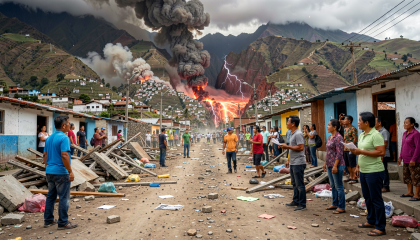
Cyberzenhub.com – On February 28, President Donald Trump declared the commencement of “major combat operations” directed at Iran, leading to coordinated U.S.-Israeli strikes against critical military, governmental, and infrastructure locations. These attacks marked a significant escalation in the ongoing conflict, with both nations targeting key facilities to disrupt Iran’s strategic capabilities. However, the situation took an unexpected turn weeks later when a daring rescue operation unfolded, as an unmanned vessel successfully recovered two chopper pilots who had been captured during the conflict. According to a senior official, this development signaled a shift in the tactical approach, showcasing the adaptability of modern military strategies.
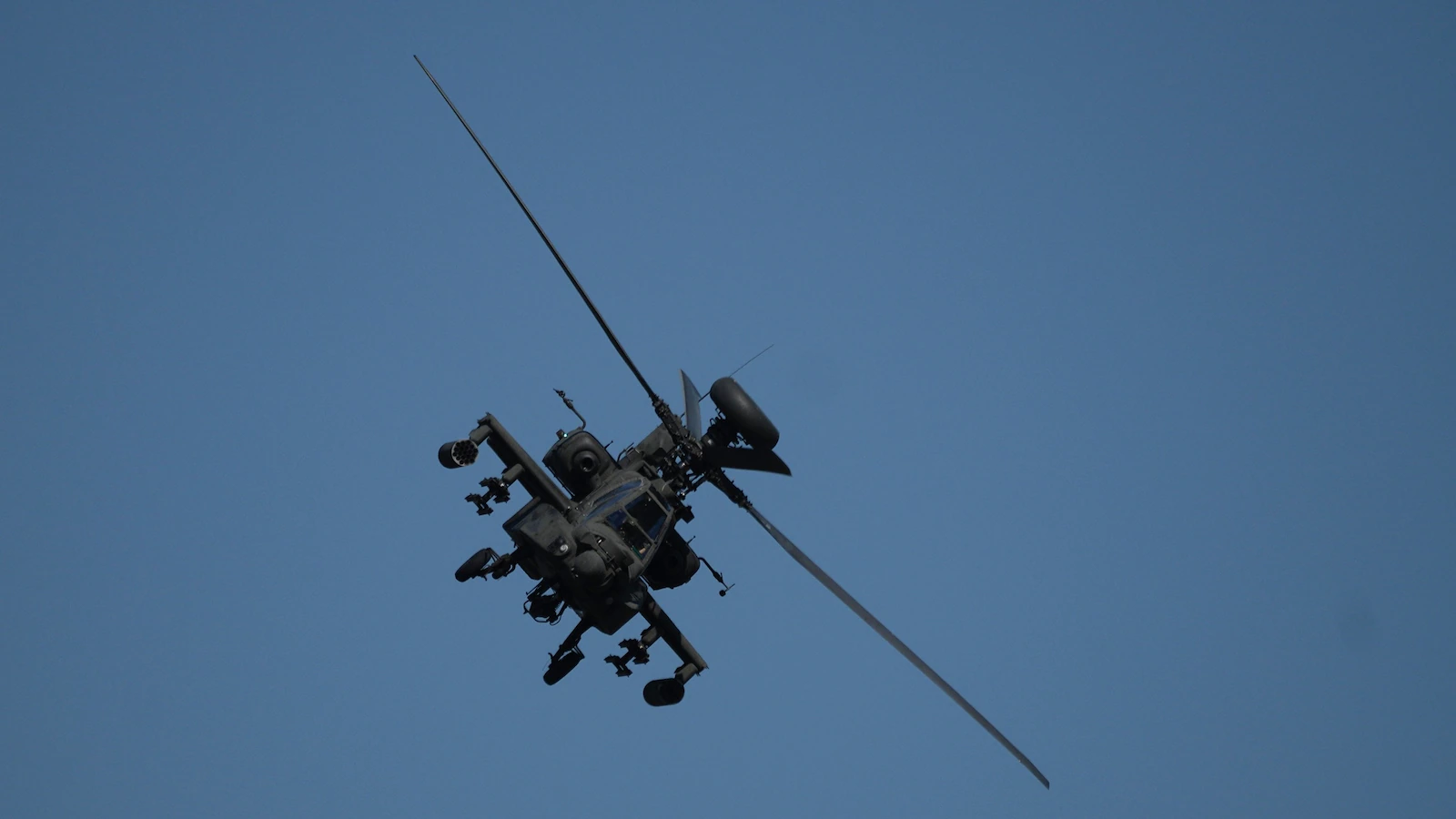
The rescue operation, which occurred in the aftermath of the initial strikes, underscored the evolving nature of warfare in the region. The pilots, who were part of a joint mission, were reportedly taken into custody following a confrontation that left several casualties. An unmanned boat, equipped with advanced navigation systems, played a pivotal role in the operation, allowing the rescue team to approach the area undetected. This move was described as “a masterstroke of precision,” with officials highlighting the boat’s ability to operate in hostile waters while minimizing risk to human personnel.
“We have extended the ceasefire indefinitely, but the U.S. blockade remains in place until a resolution is achieved,” stated a senior administration representative during a press briefing. This open-ended extension, announced after initial talks in Pakistan failed to yield a peace agreement, has sparked debates over the true intentions behind the pause in hostilities.
The ceasefire, which was initially set for two weeks, was meant to provide a window for diplomatic engagement. However, the talks held in April, facilitated by Pakistani mediators, did not result in a lasting accord. Despite the efforts, the delegations could not reconcile their differing priorities, particularly regarding Iran’s nuclear program and the U.S. sanctions regime. The failure to reach a deal has led to concerns that the conflict may reignite, with both sides vying for leverage in the negotiations.
Trump’s decision to extend the ceasefire indefinitely, while keeping the U.S. blockade active, has been seen as a calculated move to pressure Iran without fully committing to a peace settlement. The blockade, which has restricted Iran’s access to global trade routes, is a central element of the U.S. strategy to weaken the country economically. By maintaining the blockade, the administration aims to ensure that Iran does not gain strategic advantages during the ceasefire period, a stance that has drawn criticism from allies and adversaries alike.
The rescue of the chopper pilots, which occurred days after the ceasefire was announced, has been interpreted as a symbolic gesture. It demonstrated the U.S. and Israel’s ability to respond swiftly to threats even in the midst of negotiations. The operation also highlighted the importance of unmanned technology in modern conflict, with analysts noting that such systems are becoming increasingly vital for both offensive and defensive maneuvers. This incident has raised questions about the extent of Iranian involvement in the conflict and whether their forces are actively supporting operations in contested regions.
As the ceasefire continues, the focus has shifted to the potential for renewed hostilities. The U.S. and Israel are expected to maintain their pressure on Iran through targeted strikes, while the broader international community watches closely for signs of diplomatic progress. The situation remains precarious, with the balance of power shifting rapidly in response to strategic decisions and technological advancements. Analysts suggest that the rescue operation may have been a test of Iran’s military readiness, aiming to assess whether their forces can sustain operations under prolonged scrutiny.
Trump’s approach to the conflict has been characterized by a blend of military assertiveness and diplomatic flexibility. His administration has emphasized the need for a “one-way-or-the-other” resolution, indicating a willingness to pursue either a negotiated settlement or continued military action. This stance has created a tense atmosphere, as both Iran and its adversaries weigh the risks and rewards of further engagement. The extension of the ceasefire has also allowed time for intelligence assessments, with U.S. officials claiming that the pause has provided critical insights into Iran’s military capabilities and potential vulnerabilities.
Meanwhile, the rescue operation has reignited discussions about the effectiveness of Iran’s naval defenses. The use of an unmanned boat to execute the recovery mission suggests that Iran is investing heavily in autonomous systems to bolster its military operations. This development has been praised by some as a sign of Iran’s growing technological prowess, while others view it as an indication of their strategic reliance on unconventional methods. The incident has also prompted questions about the future of U.S.-Iran relations, with the administration exploring options to maintain pressure without provoking a full-scale war.
As the situation evolves, the focus remains on the broader implications of the ongoing conflict. The initial strikes, combined with the recent rescue, have demonstrated the dynamic interplay between military and diplomatic strategies in the region. Analysts warn that the ceasefire may not hold indefinitely, especially if Iran perceives a lack of progress in negotiations. The blockade, meanwhile, continues to impact Iran’s economy, with trade restrictions affecting energy exports and regional alliances. These factors are likely to shape the next phase of the conflict, as both sides prepare for potential new confrontations.
The events of late February and early April have underscored the complexity of the U.S.-Iran standoff. While the initial strikes aimed to cripple Iran’s military infrastructure, the rescue operation revealed the resilience of its forces. The extension of the ceasefire has provided a brief reprieve, but the underlying tensions remain unresolved. As the administration moves forward, the balance between military action and diplomatic outreach will be crucial in determining the outcome of the conflict. The world watches with anticipation, awaiting the next move in a high-stakes geopolitical drama.