Former NBA Players Malik Beasley, Edward Davis Indicted for Alleged Sports Gambling Scheme
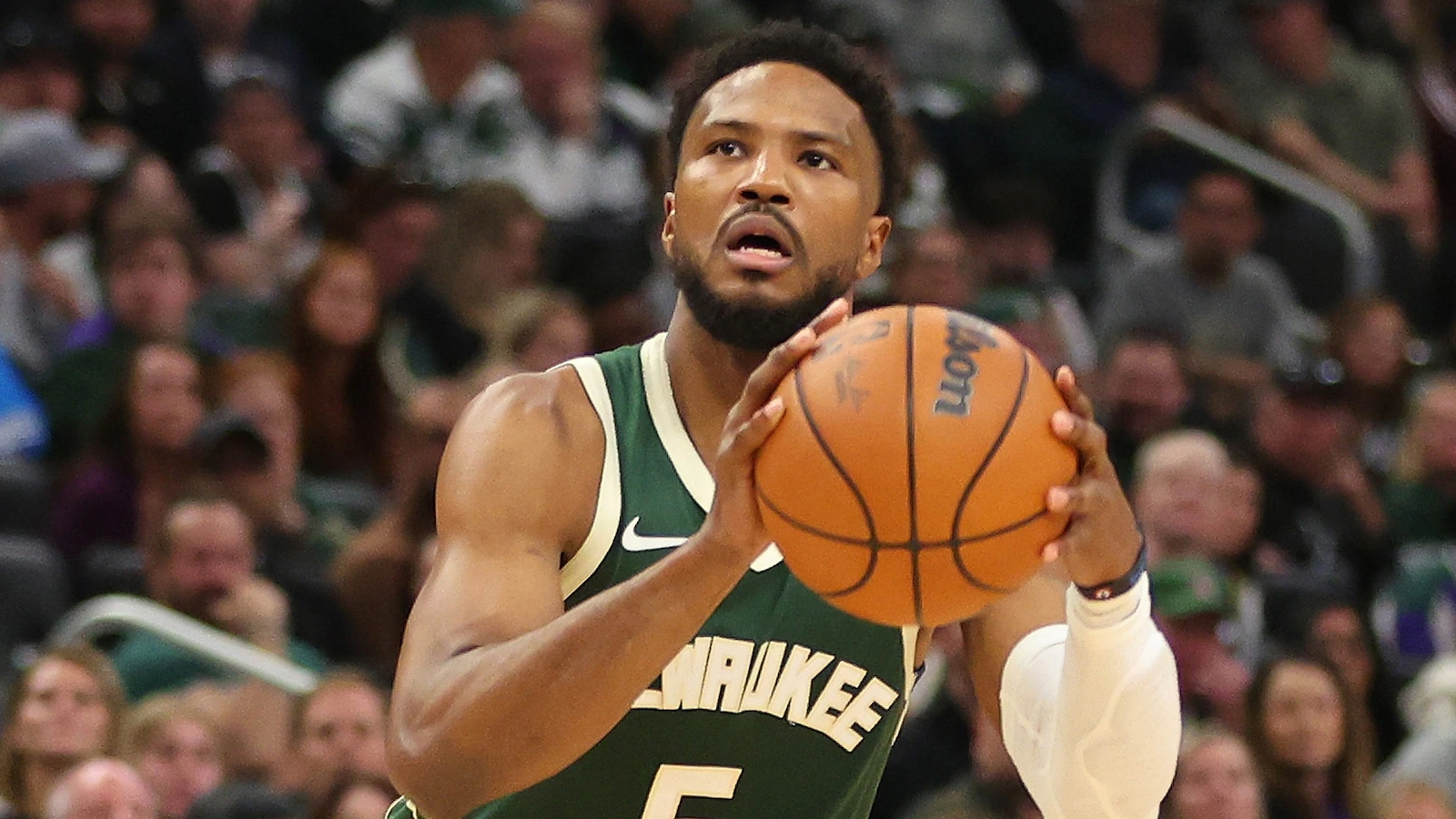
Cyberzenhub.com – Federal prosecutors in Brooklyn have announced the indictment of former NBA players Malik Beasley and Edward Davis, along with current sports agent Paolo Zamorano and three additional individuals, for their alleged involvement in a sports betting conspiracy. The charges, filed on Monday, accuse the group of orchestrating a scheme to manipulate game outcomes in the NBA, with Beasley at the center of the alleged corruption. According to the indictment, Beasley was bribed to alter his performance in specific games, while his co-defendants used insider knowledge to place high-stakes bets. This case marks a significant development in the ongoing investigation into gambling-related misconduct within professional basketball.
Inside Knowledge and Illicit Bets
The indictment outlines how the defendants exploited their access to confidential information to execute a fraudulent betting operation. Prosecutors allege that Beasley, who previously played for the Milwaukee Bucks, was paid to underperform in key areas of his game, particularly rebounding. This information was then relayed to co-conspirators, who used it to place bets on multiple occasions, reportedly accumulating hundreds of thousands of dollars in illicit wagers. The scheme is said to have targeted specific matchups, leveraging the players’ familiarity with team strategies and player tendencies to ensure predictable outcomes.
One of the key examples cited in the indictment involves a Jan. 26, 2024, game between the Bucks and the Cleveland Cavaliers. During this match, Beasley allegedly shared his intent to reduce his rebounding contributions with Davis, a former teammate. In exchange, Beasley was expected to receive a bribe, while Davis passed along the information to others involved in the scheme. The indictment suggests that this collaboration allowed the co-defendants to place deceptive wagers, capitalizing on Beasley’s performance to secure substantial profits.
The same pattern is said to have repeated in subsequent games. For instance, during a match between the Bucks and the New Orleans Hornets in February 2024, Beasley allegedly told Davis he would underperform in scoring but overperform in rebounding. Davis then conveyed this information to his associates, enabling them to place successful bets on the game’s outcome. The indictment further details a March 2024 game against the Los Angeles Clippers, where Beasley purportedly indicated he would exceed his usual rebounding numbers. These instances highlight the systematic nature of the alleged scheme, which targeted multiple games over several months.
Impact on NBA Integrity
Authorities emphasized the widespread damage caused by the conspiracy, stating that the defendants’ actions undermined the integrity of American sports. The indictment describes how the group transformed professional basketball into a criminal betting operation, with Beasley’s performance being deliberately manipulated to create favorable odds for their bets. This manipulation not only enriched the conspirators but also deprived legitimate sportsbooks of fair revenue and misled fans who rely on the authenticity of games.
Joseph Nocella, the United States Attorney for the Eastern District of New York, condemned the scheme as a “clear threat to the fairness of the game.” In a statement, he explained that the defendants used their positions to gain an unfair advantage, bribing Beasley to alter his play in exchange for financial gain. “This case demonstrates how insider betting schemes can erode public trust in sports,” Nocella said. “Players like Malik Beasley, who have access to critical game data, are now being exploited for personal profit, which has far-reaching consequences for the NBA and its fans.”
Defense Statements and Legal Context
Beasley’s attorney, Steve Haney, defended his client’s involvement in the case, stating that an indictment is merely a document based on probable cause rather than conclusive evidence. “Malik Beasley maintains his presumption of innocence throughout this two-year investigation,” Haney said in a statement. “We urge the public to withhold judgment until all the facts are fully disclosed and the legal process has determined the true circumstances of this case.” His remarks underscore the legal complexity of the situation, as the indictment is just the first step in a potential criminal prosecution.
Meanwhile, the case has drawn attention to the broader issue of sports gambling within the NBA. A recent league memo highlighted the need for increased education on the “dire risks” of gambling, especially among players and agents. The memo warned that such schemes not only jeopardize the sport’s credibility but also expose fans to financial losses and deceptive practices. The indictment of Beasley and Davis has reignited discussions about how the league can better monitor and prevent insider betting, particularly in an era where sports betting has become increasingly popular.
Broader Implications and Public Reaction
The prosecution’s case against the defendants is part of a growing trend of legal actions targeting sports gambling. In a related development, the first defendant in this scheme, who was sentenced earlier this year, received a two-year prison term for his role in the conspiracy. This outcome has set a precedent for how the federal government and NBA authorities will handle similar cases moving forward.
Public reaction to the indictment has been mixed. While many fans expressed concern over the corruption, others highlighted the challenges of balancing profitability with integrity in sports. “Players are human, and the pressure to make money can lead to risky decisions,” said one sports analyst. “But when that pressure leads to bribery and fixed games, it becomes a serious issue for the entire league.” The case also serves as a reminder of the high stakes involved in sports betting, with some matches potentially generating millions in wagering activity.
As the investigation continues, the focus remains on how the defendants’ actions impacted the NBA’s reputation. The league has already taken steps to address the problem, including implementing stricter oversight and education programs for players and agents. However, the indictment of Beasley and Davis underscores the need for ongoing vigilance. With the potential for further revelations, the case could have lasting implications for the NBA’s approach to gambling and player conduct.
“An indictment is nothing but a probable cause one-sided charging document,” said Steve Haney, Beasley’s attorney. “It is not evidence, and Malik maintains his presumption of innocence throughout this two-year investigation. We ask that people reserve judgment until all the facts are known.”
Meanwhile, the government’s case against the defendants relies on the testimony of co-conspirators and digital evidence linking them to the bets. Prosecutors claim that the total amount wagered by the group exceeded hundreds of thousands of dollars, with each bet carefully designed to capitalize on Beasley’s performance. The indictment also names several betting operators involved in the scheme, suggesting a wide network of individuals and organizations complicit in the fraud.
As the legal proceedings unfold, the NBA and its stakeholders will be closely watching the outcomes. The case has already sparked conversations about the role of agents in facilitating such schemes and whether current rules adequately protect the league from insider manipulation. With the rise of legalized sports betting, the risk of corruption has increased, and this indictment may serve as a warning to others in the basketball world.
Related Stories and Public Interest
The indictment has generated significant media attention, with related stories highlighting the broader implications of sports betting. For example, a recent report detailed how the first defendant in this case was sentenced to two years in prison for his role in the conspiracy, signaling the seriousness with which the justice system is treating NBA gambling crimes. Another article explored the league’s efforts to educate players about the risks of gambling, emphasizing the need for proactive measures to prevent similar incidents.
Additionally, the case has been linked to ongoing discussions about the impact of sports betting on fan engagement. With millions of dollars wagered on NBA games each season, the potential for insider influence has never been higher. The indictment of Beasley and Davis has reignited debates about whether the NBA’s current safeguards are sufficient to prevent such schemes, particularly as more players enter the sports betting market.
As the investigation continues, the focus remains on uncovering the full scope of the conspiracy and identifying any other players or agents who may have been involved. The legal team for Beasley and Davis will likely challenge the evidence presented, arguing that the allegations are based on circumstantial connections rather than direct proof of guilt. For now, the case stands as a critical moment in the history of NBA gambling, with far-reaching consequences for the league and its fans.