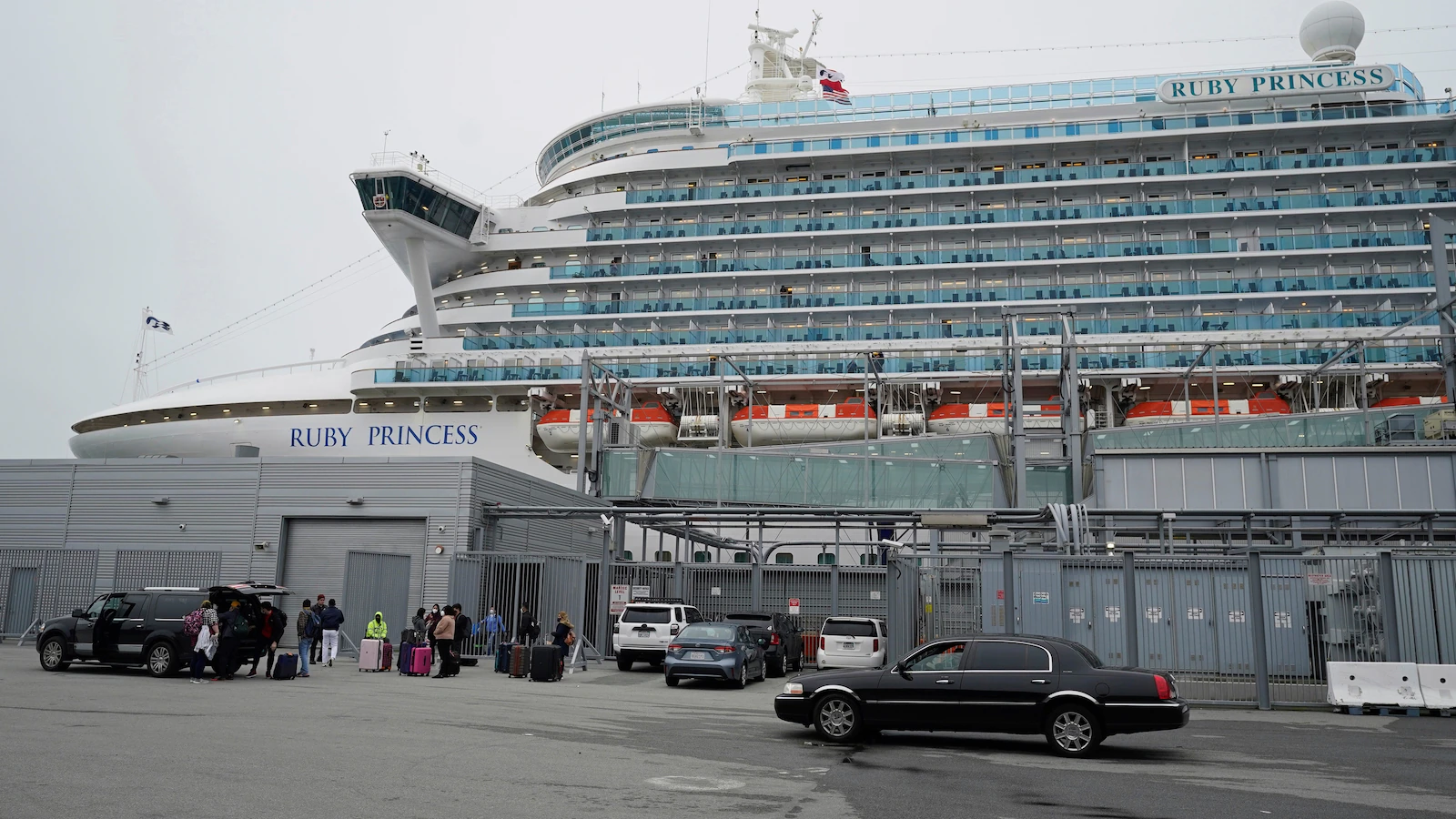
125 Passengers and Crew Affected by Norovirus Outbreak on Cruise Ship
Cyberzenhub.com – Federal health authorities confirmed that over 120 individuals aboard the Princess Cruises vessel Ruby Princess, which arrived in San Francisco on Thursday, contracted a norovirus infection during its recent voyage. The ship, which embarked on a 20-day round-trip journey from San Francisco to Canada and Alaska, reported 102 passengers and 23 crew members as being impacted by the illness. The Centers for Disease Control and Prevention (CDC) stated that the outbreak was identified and reported to them on Saturday, highlighting the rapid spread of the virus in confined spaces. While the exact timeline of symptoms varies among affected individuals, the CDC noted that not every person who tested positive was unwell at the same time as the ship’s arrival or departure.
Spread of Norovirus and Its Impact
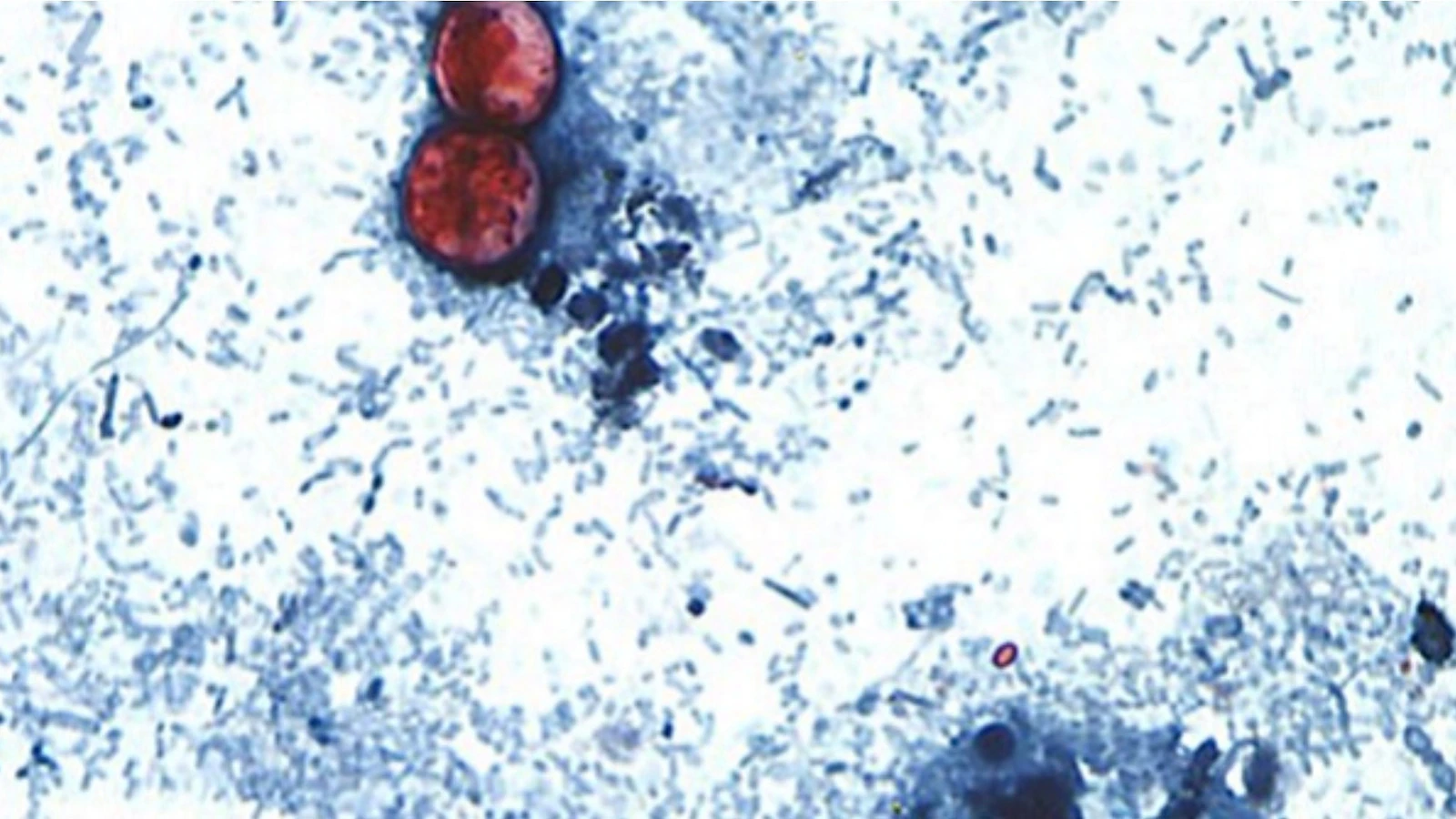
Norovirus, a common cause of gastroenteritis, is renowned for its high transmissibility. Health officials emphasized that the virus spreads easily through contaminated food, water, or surfaces, especially in densely populated environments like cruise ships. Crowded conditions, shared dining areas, and limited ventilation contribute to its quick propagation. Though the illness typically lasts three days, it can pose serious risks for vulnerable populations, including those with preexisting health conditions, young children, and the elderly. The CDC warned that severe cases may lead to dehydration, requiring medical intervention.
“Washing hands frequently is key to preventing a norovirus infection, especially after using the bathroom or before eating and drinking. It is best to use soap and water, scrubbing and washing for at least 20 seconds,” said the CDC. “Hand sanitizer alone doesn’t work well against norovirus.”
The Ruby Princess, which departed San Francisco on June 12, carried a total of 3,032 passengers and 1,144 crew members during its voyage. The scale of the outbreak underscores the challenges of managing infectious diseases on large, mobile platforms. Princess Cruises responded swiftly, implementing “enhanced sanitation protocols across the ship” to curb further transmission. These measures included deep cleaning of common areas, increased use of disinfectants, and rigorous hygiene practices for both staff and passengers. The ship will undergo thorough cleaning and disinfection before resuming its next itinerary later Thursday.
Understanding the Norovirus Outbreak
Health officials noted that norovirus outbreaks are a frequent occurrence in the cruise industry, with seven such incidents reported in the CDC’s jurisdiction this year alone. The virus is particularly problematic in settings where people gather in close proximity, such as cruise ships, due to its ability to survive on surfaces for hours and its short incubation period. The CDC explained that outbreaks often begin when an infected individual transmits the virus through direct contact, shared utensils, or contaminated food. In this case, the Ruby Princess’s itinerary—spanning multiple ports in Canada and Alaska—likely created ideal conditions for the virus to spread rapidly among guests and staff.
Cruise ships are known for their high passenger turnover and communal living spaces, which amplify the risk of infectious disease transmission. The Ruby Princess’s outbreak exemplifies how quickly norovirus can take hold in such environments. While the ship’s crew took immediate steps to address the situation, the CDC stressed that prevention remains the best defense against the virus. Public health experts recommend that travelers take extra precautions, such as avoiding raw shellfish and ensuring thorough handwashing, especially when visiting crowded destinations.
Broader Implications for Cruise Safety
The incident has raised questions about the safety protocols of cruise lines during long voyages. The CDC highlighted that norovirus is a leading cause of onboard outbreaks, with outbreaks often linked to contaminated food or surfaces. For instance, the virus can linger on railings, doorknobs, and other high-touch areas, making it difficult to eliminate entirely. Princess Cruises’ statement about enhanced sanitation protocols reflects a growing emphasis on hygiene measures within the industry. However, critics argue that more stringent guidelines may be needed to prevent future outbreaks, particularly as travel demand rebounds post-pandemic.
Passengers and crew affected by the norovirus outbreak have been advised to monitor their symptoms and seek medical attention if necessary. The CDC also urged travelers to stay informed about outbreak reports and consider vaccination or prophylactic measures if available. While the Ruby Princess incident is isolated to one ship, it serves as a reminder of the global spread of infectious diseases in the context of mass tourism. Health officials are working with cruise operators to improve preparedness for such events, including better communication with passengers and more frequent health checks during voyages.
Context and Public Health Response
The outbreak on the Ruby Princess occurred amid a broader surge in travel activity, with many cruise lines operating at near-full capacity to meet passenger demand. This scenario increases the likelihood of viral transmission, as close quarters and shared facilities become breeding grounds for illnesses. The CDC’s prompt response to the report demonstrates the importance of early detection in mitigating large-scale outbreaks. Public health officials are also using this incident to reinforce the role of personal hygiene in preventing the spread of norovirus, emphasizing that soap and water are more effective than hand sanitizers for removing the virus from surfaces.
As the cruise industry continues to adapt to health challenges, incidents like the Ruby Princess outbreak highlight the need for ongoing vigilance. The CDC’s data on recent outbreaks provides insight into the frequency and severity of such events, with norovirus being the most commonly reported pathogen. This information is crucial for travelers planning future cruises, as it underscores the importance of staying aware of health advisories and taking proactive steps to reduce personal risk. For now, the Ruby Princess’s next trip is expected to be free of the virus, thanks to the comprehensive cleaning efforts undertaken by the crew.
Conclusion and Future Outlook
The norovirus outbreak aboard the Ruby Princess has served as a stark reminder of the virus’s persistence in crowded environments. With over 125 cases reported, the incident has prompted a closer examination of sanitation practices and health protocols on cruise ships. The CDC’s guidance on handwashing and surface disinfection remains central to preventing future outbreaks, and the cruise line’s commitment to enhanced protocols is a positive step. As the Ruby Princess prepares for its next voyage, the focus will be on ensuring that the ship’s sanitation measures are robust enough to safeguard all onboard. This case also reinforces the importance of health monitoring for both passengers and crew, as rapid response can significantly reduce the impact of infectious disease spread in the travel sector.