Over 950,000 Homes Face Power Loss Amid National Heatwave
Cyberzenhub.com – As the United States marks its 250th anniversary with nationwide celebrations, a significant disruption has emerged: nearly one million power outages have been reported across the Midwest and Northeast regions. According to PowerOutage tracking, the number of affected households stands at 956,388, a figure that fluctuates as utility crews work to address the widespread disruptions. These outages are linked to severe weather and extreme heat conditions that have swept across the country, creating a challenging environment for both residents and service providers.
The heatwave’s intensity has not only strained infrastructure but also forced cancellations of major events. In Philadelphia, the Salute to Independence Semiquincentennial Parade, originally slated for Friday, was called off due to dangerously high temperatures. The decision came after organizers evaluated the risk to participants and spectators, with the parade’s cancellation serving as a stark reminder of the heat’s impact on daily life. Similarly, the National Independence Day Parade, set for July 4 in Washington, D.C., was postponed until Saturday, two hours later than planned. This shift in schedule highlights the broader effects of the extreme weather on public activities.
The National Weather Service has issued an Extreme Heat Warning for the District of Columbia, projecting heat index values to climb between 110°F and 115°F. “The organizers of the National Independence Day Parade, scheduled for July 4, 2026, at 10:30 AM, have regretfully canceled the event due to extreme heat in the Washington, DC, region,” stated a release on the Freedom 250 website. This decision followed consultations with the National Park Service, the D.C. City Government, and Freedom 250, emphasizing the prioritization of safety during the event. The Great American State Fair and FIFA Fan Zone on the National Mall, which were expected to open on Saturday, also experienced a delay. These adjustments underscore the logistical challenges posed by the prolonged heatwave.
Heatwave’s Ripple Effect on Infrastructure and Communities
Power outages have become a recurring issue in the wake of the heatwave, with utility companies working tirelessly to restore electricity. The fluctuating number of affected homes reflects the ongoing efforts to stabilize the grid, though the scale of the problem remains substantial. In the Midwest, where temperatures have soared, the combination of high demand and equipment strain has exacerbated the situation. Meanwhile, in the Northeast, older power systems are struggling to keep up with the demand, leading to extended periods of service interruptions.
The impact of the outages extends beyond mere inconvenience. With over 950,000 households without electricity, the number of people affected is likely even higher, as each home can accommodate multiple individuals. This means that the heatwave’s effects are not confined to the physical environment but also disrupt family life, work schedules, and access to essential services. For example, without power, many families are unable to operate air conditioning, refrigeration, or medical devices, compounding the risks of heat-related illnesses.
As the heatwave persists, officials are urging residents to take precautions. Public health advisories recommend staying hydrated, avoiding prolonged exposure to the sun, and checking on vulnerable individuals such as the elderly or those with chronic health conditions. Additionally, the prolonged high temperatures are expected to continue into the weekend, with some areas facing the prospect of another day of stifling conditions. This makes the upcoming celebrations all the more uncertain, as even the most well-prepared events must adapt to the rapidly changing climate.
Cancelations and Adjustments Across Major Events
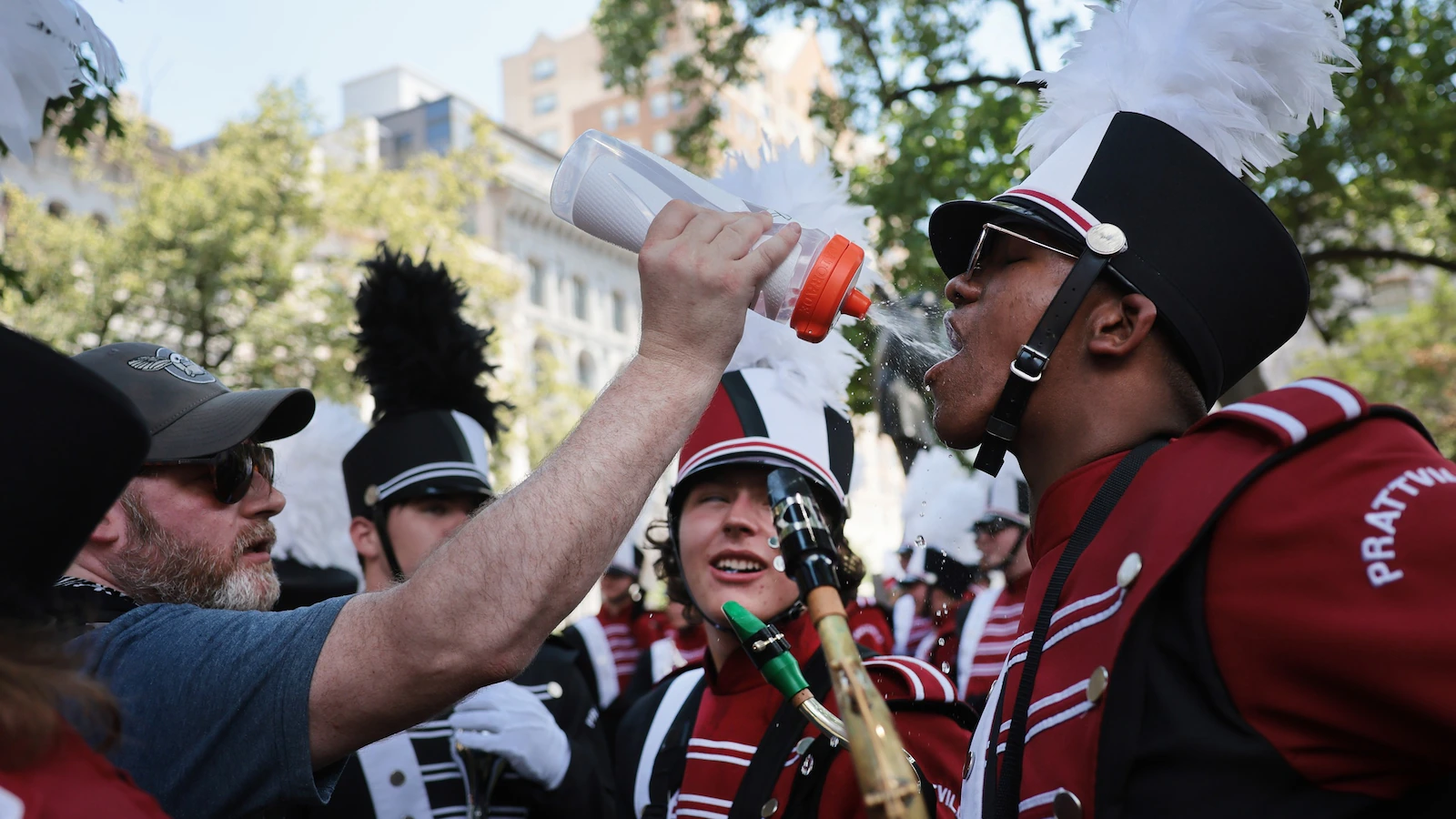
The cancellations of parades and festivals have sparked discussions about how extreme weather is reshaping public events. In Philadelphia, members of a high school band from Alabama received water outside Independence Hall on July 3, 2026, as the Salute to Independence Semiquincentennial Parade was scrapped. This moment captured the essence of the event’s disruption, with participants and spectators alike adjusting to the new reality. The National Independence Day Parade in Washington, D.C., which was originally scheduled for July 4, faced a similar fate, with organizers making the difficult decision to move it to Saturday.
The delay of the Great American State Fair and FIFA Fan Zone on the National Mall further illustrates the heatwave’s far-reaching consequences. These events, which typically draw thousands of visitors, were pushed back by two hours to accommodate the extreme weather. Such changes are not uncommon in the face of unseasonal heat, but the timing of the disruptions—during a major national celebration—adds to the sense of irony. The postponement also raises questions about how future events might need to adapt to increasingly frequent extreme weather patterns.
Meanwhile, the broader implications of the heatwave are being felt across the country. Beyond the immediate effects on power and events, the prolonged high temperatures are contributing to a sense of urgency in climate preparedness. Utilities are now facing the challenge of ensuring resilience against future heatwaves, while communities are adjusting their schedules and routines to mitigate risks. For instance, the National Weather Service’s warning for the District of Columbia serves as a critical signal to both residents and event planners, highlighting the need for proactive measures.
As the heatwave continues, its impact is expected to grow. The number of power outages may increase further if the weather worsens, and more events could be affected in the coming days. For the millions of Americans braving the sweltering conditions, the heatwave serves as a reminder of the delicate balance between celebrating national milestones and confronting the realities of climate change. Despite the disruptions, the spirit of the 250th anniversary remains strong, with alternative plans being made to ensure that the essence of the celebrations is not lost.
Broader Context: A Nation in the Grip of Heat
The heatwave is not an isolated incident but part of a larger pattern of extreme weather events. With global temperatures on the rise, the U.S. has become increasingly vulnerable to prolonged periods of intense heat, particularly in the eastern states. The current event is a microcosm of the challenges that lie ahead, as communities prepare for a future where such disruptions may become more frequent and severe.
While the immediate focus remains on restoring power and rescheduling events, the long-term implications of the heatwave are being examined by experts. The National Weather Service’s forecasts indicate that the extreme conditions will likely persist, with heat index values remaining dangerously high. This has prompted discussions about the need for better infrastructure and emergency response systems to handle such scenarios. In the meantime, residents are advised to stay informed and take steps to protect themselves from the effects of the heatwave.
The combination of power outages and event cancellations has created a multifaceted challenge for the nation. From the Midwest to the Northeast, the impact of the heatwave is being felt in both urban and rural areas. The resilience of communities in the face of such disruptions is commendable, but the scale of the problem underscores the importance of climate adaptation strategies. As the heatwave lingers, its effects will continue to shape the way Americans plan, prepare, and celebrate in the years to come.
Related Stories and Public Response
Amid the heatwave, other stories have captured public attention. For instance, a couple recently faced eight charges after scaling the Empire State Building with a banner, an event that garnered both praise and criticism. Meanwhile, officials reported the rescue of 16 children from a home in deplorable conditions, highlighting the importance of safety measures during extreme weather. These incidents, while separate, reflect the diverse ways in which the heatwave has impacted American life.
Public sentiment remains mixed, with some expressing frustration over the disruptions while others acknowledge the necessity of such precautions. The cancellations of iconic parades, such as the Salute to Independence Semiquincentennial and National Independence Day events, have sparked conversations about the value of tradition versus the need for safety. Nevertheless, the resilience of organizers and communities has ensured that alternative plans are in place, allowing the celebrations to continue in a modified form.
As the nation moves forward, the heatwave serves as a reminder of the challenges posed by climate change. While the immediate focus is on restoring power and rescheduling events, the long-term implications for infrastructure, public health, and community planning are significant. The events of July 3 and 4, 2026, will be remembered not only for their cancellation but also for the way they highlighted the growing impact of extreme weather on American life. With the heatwave still in full force, the country is left to adapt to a new normal of sweltering summers and unpredictable weather patterns.