Smithsonian Chief Disputes Scathing White House Report on Museum Activism
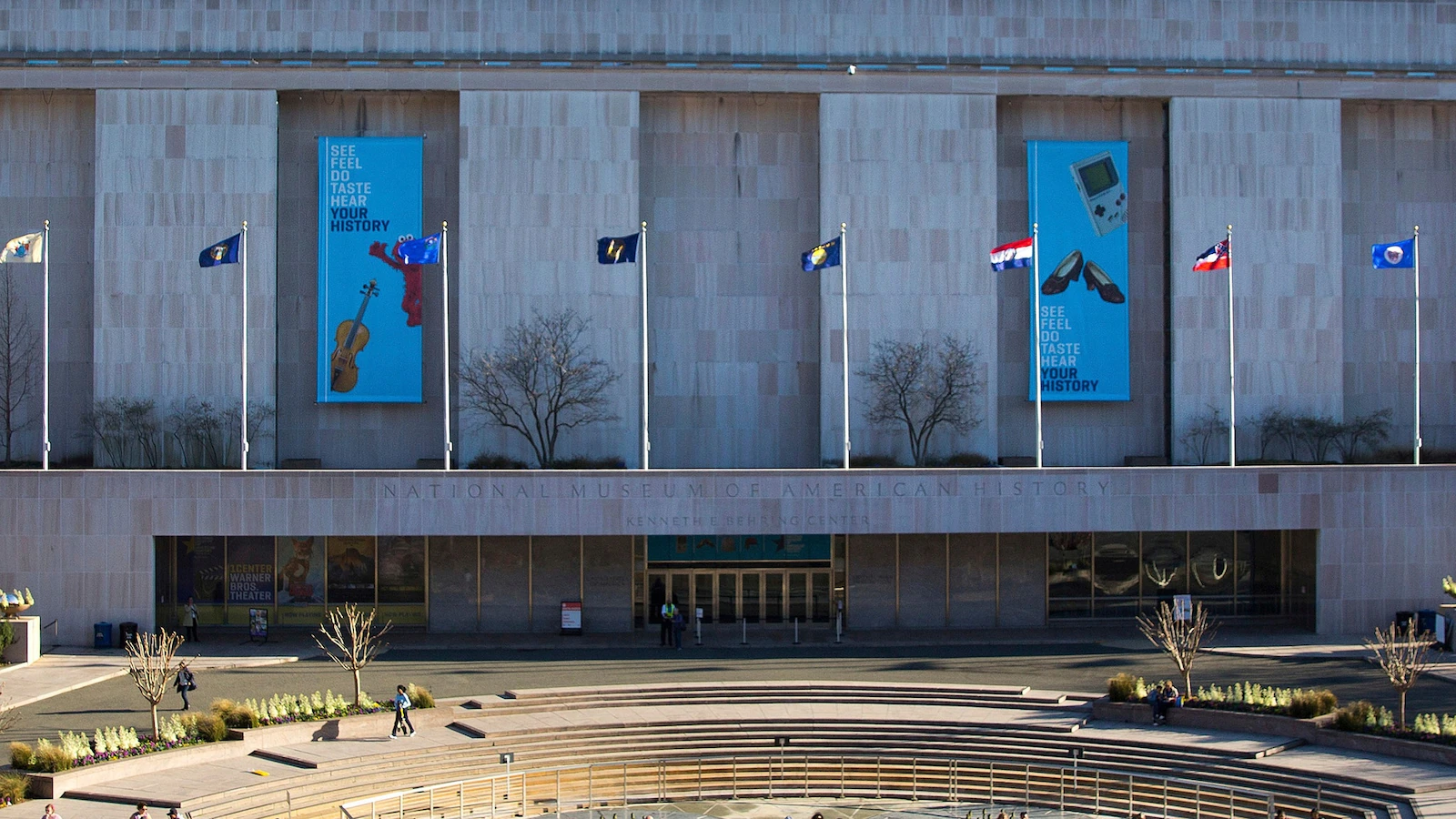
Cyberzenhub.com – Smithsonian chief disputes scathing White House criticism in a significant public challenge to federal oversight of the nation’s premier cultural institution. Lonnie Bunch, the secretary of the Smithsonian Institution, has publicly contested a harsh assessment issued by the White House on Independence Day. Although Bunch has maintained relative silence in public forums regarding the document, an internal communication obtained by ABC News reveals his detailed perspective on the matter. The July 4 assessment claims that the National Museum of American History and its administrators are promoting a “radical view” of the nation’s past. In his correspondence with employees, Bunch noted that museum executives are meticulously examining the conclusions drawn in the document. He expressed strong disagreement with the overall tone, stating that the evaluation fails to accurately reflect the comprehensive efforts of the NMAH.
“While there will always be room for improvement, this report is not a fair characterization of the work and totality of the National Museum of American History,” Bunch said in the letter.
He emphasized that their operations rely heavily on rigorous scholarship and precision. The 162-page document, authored by the Domestic Policy Council, targets the NMAH specifically. It suggests that the museum’s leadership has shifted away from viewing American history as a collective heritage meant for celebration. Instead, they argue the institution treats history as a tool for political division. The report accuses the museum of engaging in various forms of activism, including those related to race, immigration status, and gender identity. Furthermore, the document includes numerous photographs of materials that the White House identified as problematic within the museum’s collections.
Executive Order and Ongoing Reviews
This criticism aligns with President Donald Trump’s directive from March 27, 2025. The order, titled “Restoring Truth and Sanity to American History,” mandates Vice President J.D. Vance to oversee the removal of what it deems improper ideologies. The goal is to eliminate materials that portray the country unfavorably within federal cultural spaces. The White House review was launched in response to this specific executive order. Simultaneously, the Smithsonian has initiated its own internal review into its exhibits and processes. A spokesperson for the Smithsonian did not provide details regarding the status of this internal review when asked.
“At the Smithsonian, our work is driven by scholarship, accuracy, and an uncompromising commitment to tell the fullness of America’s story.”
A representative for the Smithsonian, which manages twenty-one museums and a zoo, affirmed their dedication to unbiased education. They highlighted over a century and a half of independent scholarship. The spokesperson stated that the institution remains committed to impartial learning despite the current political climate. The report, which was published on Saturday, July 4, particularly took aim at the NMAH leadership. It accuses them of adopting an ideological framework that no longer treats the American story as a shared national inheritance. Instead, the report claims the museum leadership has embraced a more divisive approach to historical interpretation.
Broader Implications for Cultural Institutions
The dispute between Smithsonian chief disputes scathing White House findings represents more than a single institution’s challenge. This conflict highlights tensions between federal oversight and cultural autonomy that could affect museums nationwide. Critics of the White House report argue that the document mischaracterizes legitimate scholarly work as political activism. Supporters of the review contend that certain exhibits have strayed too far from traditional historical narratives. The Smithsonian’s response demonstrates its commitment to maintaining academic integrity while addressing federal concerns. As the internal review continues, the museum faces pressure to balance multiple expectations from different stakeholders.
The outcome of this dispute may set important precedents for how federal cultural institutions respond to political criticism. Museum directors across the country are watching closely to see how the Smithsonian navigates this challenging situation. The debate raises fundamental questions about the role of museums in American society and their responsibility to present history accurately. Whether through internal adjustments or public statements, the Smithsonian appears determined to defend its mission while remaining responsive to legitimate concerns. The coming months will reveal whether this disagreement leads to meaningful changes or remains a temporary political controversy.