How the US Iran Ceasefire Agreement Unraveled: Complete Timeline
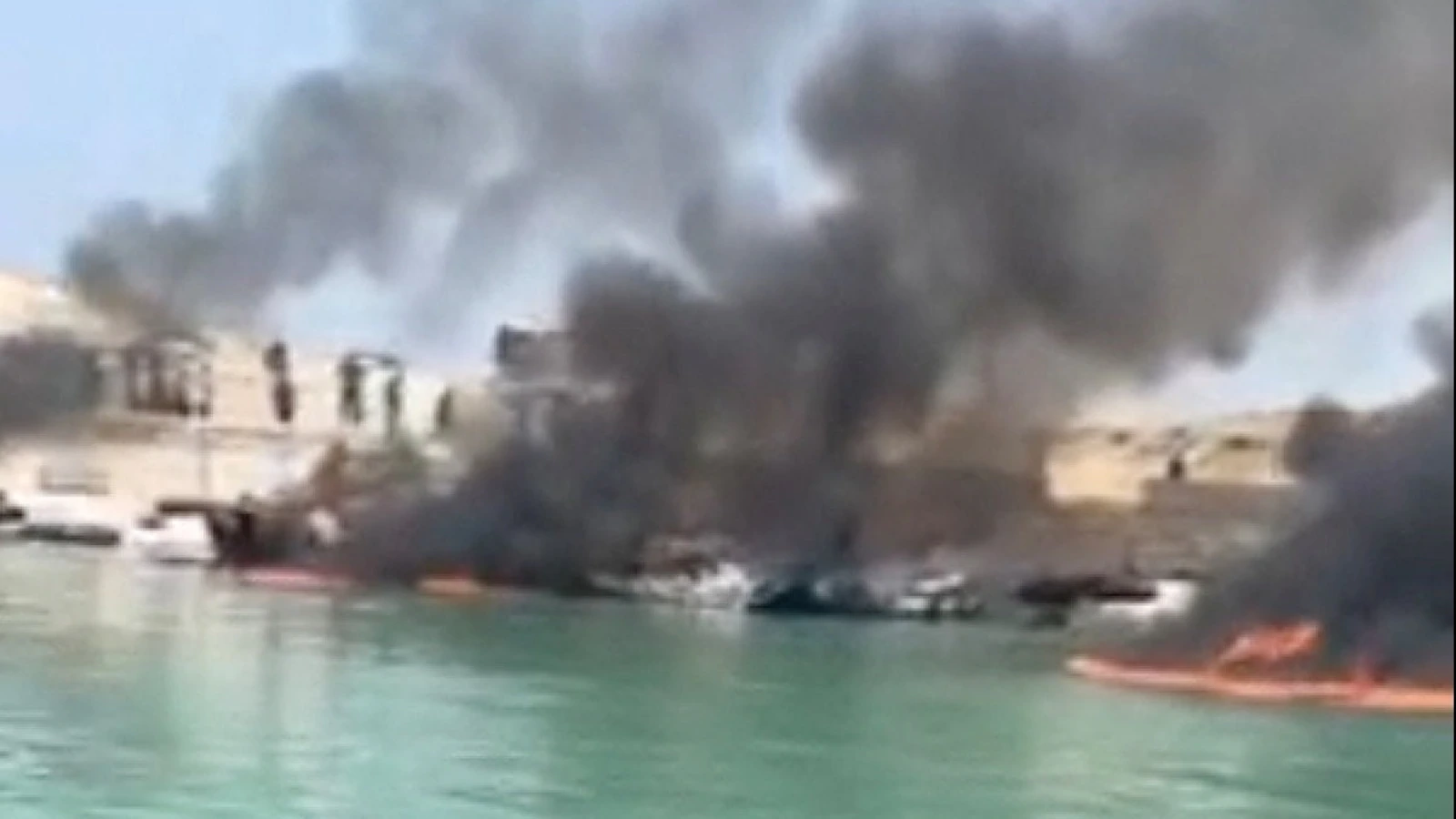
Cyberzenhub.com – How the US Iran ceasefire and memorandum of understanding (MOU) ultimately broke down remains a critical question for global security. The fragile peace arrangement between Washington and Tehran appeared to completely collapse on Wednesday, marking a significant turning point in Middle Eastern diplomacy. This dramatic development came as the United States completed a second wave of military operations, responding directly to Iranian attacks on commercial vessels navigating through the strategically vital Strait of Hormuz.
Initial Breakdown of Diplomatic Efforts
The deterioration of relations between the two nations followed a series of escalating tensions that had been building for weeks. American military forces conducted targeted operations in response to Tehran’s aggressive actions against international shipping lanes. These merchant ships, carrying essential goods and energy resources, faced unprecedented threats as Iranian forces intensified their campaign in the region. The timing of Washington’s response was particularly significant, coming shortly after diplomatic channels failed to produce a lasting resolution.
Key Events in the Ceasefire Collapse
Multiple factors contributed to the complete breakdown of the US Iran ceasefire agreement. Military analysts noted that the second wave of American operations represented a substantial escalation from previous responses. Tehran’s attacks on commercial vessels were interpreted by Washington as a direct challenge to international maritime freedom. The MOU, which had been designed to prevent further conflict, proved insufficient in addressing the underlying tensions between the two powers.
The ceasefire arrangement had been intended to stabilize the region, but competing interests and miscalculations led to its eventual failure.
International Response and Future Implications
Global observers watched closely as the situation developed, with many nations expressing concern about the potential for broader regional conflict. The breakdown of the US Iran ceasefire agreement raised questions about the effectiveness of current diplomatic mechanisms. Military experts suggested that the timeline of events demonstrated how quickly diplomatic progress could unravel when fundamental disagreements remained unresolved. The incident highlighted the challenges of maintaining peace in one of the world’s most strategically important regions.
As both nations reassess their positions, the lessons learned from this breakdown may influence future approaches to Middle Eastern diplomacy. The complete timeline of events shows that while the ceasefire and MOU provided temporary stability, they could not address the deeper structural issues driving the conflict. International stakeholders will likely monitor subsequent developments closely to determine whether renewed diplomatic efforts can prevent further escalation in the region.