
Ukraine’s Patriot Missile Production License: A Long-Term Solution to Immediate Crisis
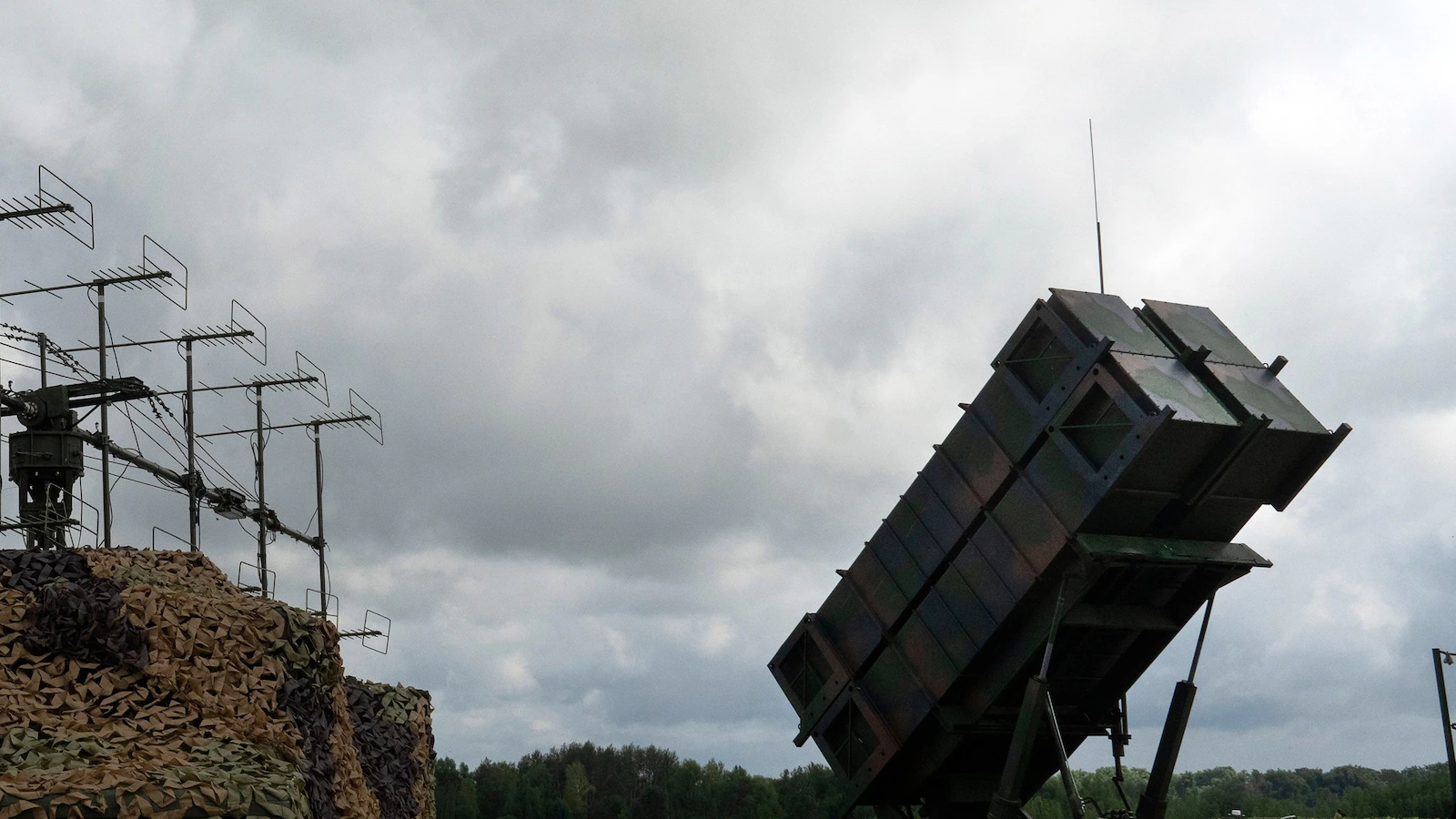
Cyberzenhub.com – Defense specialists have expressed skepticism regarding President Donald Trump’s recent proposal to authorize Ukraine to manufacture Patriot missiles domestically. While the announcement represents a significant diplomatic achievement, experts emphasize that the initiative will require several years before it meaningfully impacts Ukraine’s current defense capabilities. Bradley Bowman, a researcher affiliated with the Foundation for Defense of Democracies—a nonprofit organization dedicated to foreign policy and national security analysis—highlighted the complexity of the undertaking. “The problem is that these things aren’t like flipping on a light switch,” Bowman explained. He noted that even with substantial financial investment, expanding production capacity requires considerable time to become effective. “Unfortunately, time is, in many cases, the thing you don’t have,” he added, underscoring the urgency of Ukraine’s situation.
A Victory for Zelenskyy’s Diplomatic Efforts
Trump’s remarks, delivered Wednesday during the NATO summit in Turkey, represent a substantial win for Ukrainian President Volodymyr Zelenskyy. For months, Zelenskyy has warned about the rapid exhaustion of U.S. Patriot PAC-3 interceptor missiles, which remain the premier defense system against Russian aerial threats. The timing of this announcement comes as Russia intensifies its campaign against Kyiv. In a recent Monday attack, Ukrainian air force officials reported complete failure to intercept incoming missiles, directly attributing the shortfall to depleted interceptor stocks. This incident has heightened concerns about Ukraine’s ability to defend its airspace against sustained Russian bombardment.
Logistical Challenges Ahead
While the licensing decision sounds promising, several obstacles must be overcome before Ukraine can begin domestic production. The interceptors are manufactured by Lockheed Martin in the United States, with the defense contractor producing approximately 620 missiles annually. However, current demand from both Ukraine and Middle Eastern operations far exceeds this production rate. Building domestic capacity in Ukraine will require addressing multiple challenges simultaneously. Supply chain disruptions, stringent security requirements, and the need for specialized infrastructure all present significant hurdles. Additionally, Ukraine must develop the technical expertise necessary to maintain and potentially produce these sophisticated systems.
European Defense Integration
This development aligns with broader European efforts to reduce dependence on American defense capabilities. Just Wednesday, Lockheed Martin confirmed plans to establish a maintenance facility in Europe, partnering with Germany, the Netherlands, Poland, and Sweden. According to a company press release, this new installation would “strengthen NATO’s integrated air and missile defense readiness by providing in-region maintenance and sustainment capabilities that help keep PAC-3 missiles ready, reliable and rapidly deployable.” Germany has already initiated development of the PAC-2 GEM-T variant, a less advanced version of the Patriot system. Production of these interceptors is projected for 2027, though Ukrainian timelines might accelerate slightly.
Optics Versus Reality
Mark Cancian, senior adviser at the Center for Strategic & International Studies, characterized the announcement as primarily symbolic. “The White House likes grand gestures, and this would qualify as a grand gesture,” Cancian observed. “It sounds like missiles are going to start coming out of the factory in a couple of months, but that’s not going to happen.” Ukrainian Ambassador to the United States Olha Stefanishyna responded with measured optimism following her meeting with Trump and Zelenskyy. She expressed that Ukraine welcomed the administration’s “readiness to cooperate on Patriot missile capabilities” and reaffirmed America’s role as Kyiv’s “main partner in this.” However, she emphasized that no binding commitments had been finalized. “We look forward to turning these positive signals into concrete decisions,” Stefanishyna stated. Some analysts suggest the licensing arrangement might inadvertently reduce American urgency to supply additional missiles, potentially creating a gap in Ukraine’s immediate defensive needs while the long-term production infrastructure develops.