
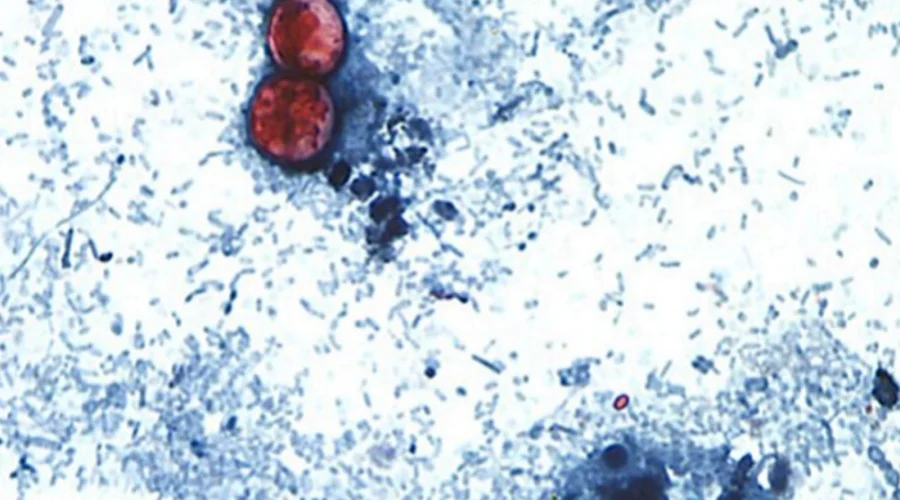
Michigan Cyclosporiasis Outbreak Exceeds 2,600 Confirmed Cases
State Health Officials Report Sharp Increase in Parasitic Illness
Cyclosporiasis cases in Michigan surpass 2 600 – Michigan’s health authorities announced on Monday that the number of cyclosporiasis cases has climbed beyond 2,600 throughout the state. This intestinal condition, triggered by a parasitic organism, has experienced a dramatic surge in recent days. According to the Michigan Department of Health and Human Services, the total count reached 2,642 cases since June 22, representing an increase of over 1,000 cases since Friday alone. The rapid escalation has prompted officials to intensify their investigation into the source of contamination.
Medical complications from the outbreak have affected dozens of patients. Health officials confirmed that at least 44 individuals required hospitalization due to symptoms associated with the parasitic infection. This figure is particularly notable when considering that Michigan normally experiences approximately 50 cyclosporiasis cases annually, making the current outbreak substantially larger than typical seasonal occurrences.
Geographic Distribution and Affected Demographics
The majority of infections have been concentrated in southeastern Michigan, with Wayne County—home to Detroit—reporting a significant portion of cases. MDHHS data reveals that adults comprise most of those affected by the illness. The age group between 30 and 39 years old represents the largest share of cases, followed by individuals aged 40 to 49, and then those in the 60 to 69 age range.
Health authorities first detected the outbreak pattern on June 29, when the Monroe County Health Department publicly announced an investigation into a cluster of related cases. Since that initial identification, the number of confirmed infections has grown exponentially across multiple counties in the region.
National Scope and Ongoing Investigation
While Michigan leads the nation in case numbers, the outbreak extends well beyond state borders. An ABC News analysis of CDC records and state health department reports indicates that at least 31 additional states have documented cyclosporiasis cases. New York holds the second-highest position with 470 cases reported since May 1, while Ohio has recorded 364 cases according to state health officials.
Illinois and Florida each report exceeding 100 cases as of Friday, based on their respective health department communications. The Centers for Disease Control and Prevention has verified 843 domestic cases spanning from May 1 through July 9. CDC representatives noted on their official website that they recognize states may report higher case totals than what appears in federal data, and the agency continues collaborating with state authorities to update figures as additional cases receive confirmation.
Michigan health officials previously shared with ABC News that their primary working theory points toward food contamination as the outbreak’s origin. However, investigators have yet to pinpoint a specific produce item, grower, or supplier responsible for spreading the parasite. Earlier this month, MDHHS distributed guidance documents to restaurants and commercial kitchens throughout southeast Michigan aimed at minimizing exposure risks during food preparation and service.
Understanding the Parasite and Treatment Options
Cyclospora cayetanensis is a single-celled parasite responsible for causing cyclosporiasis, an intestinal infection. The Centers for Disease Control and Prevention explains that transmission typically occurs through food or water contaminated with fecal matter. Unlike many infectious diseases, cyclosporiasis does not commonly spread from person to person, which influences how containment strategies are developed.
Historical foodborne cyclosporiasis outbreaks have been connected to various imported fresh products. According to CDC documentation, previous incidents involved raspberries, basil, snow peas, mesclun lettuce, and cilantro. These findings help guide current investigations into potential sources of contamination.
The CDC recommends treating cyclosporiasis with the oral antibiotic trimethoprim-sulfamethoxazole, commonly marketed under brand names including Bactrim, Septra, and Cotrim. Patients typically take this medication for a ten-day course to fully resolve the infection. Prevention strategies emphasized by the agency include thoroughly washing all produce, removing bruised or damaged sections of fruits and vegetables, and storing pre-prepared or pre-cut items in refrigeration. Additionally, the CDC advises washing hands carefully with soap and water before handling or preparing raw fruits and vegetables to reduce the risk of introducing the parasite into food supplies.
Health officials expect a six-week reporting delay between when individuals become ill and when cases are formally reported to the CDC, as the agency receives and reviews incoming data. This timeline means current case counts may continue to rise as older cases are processed and confirmed through federal channels.