
Iran live updates: Trump’s ‘Project Freedom’ begins Monday amid attacks in strait
Iran Live Updates: Trump’s ‘Project Freedom’ Begins Amid Strait Attacks
Strategic Strikes in the Strait of Hormuz
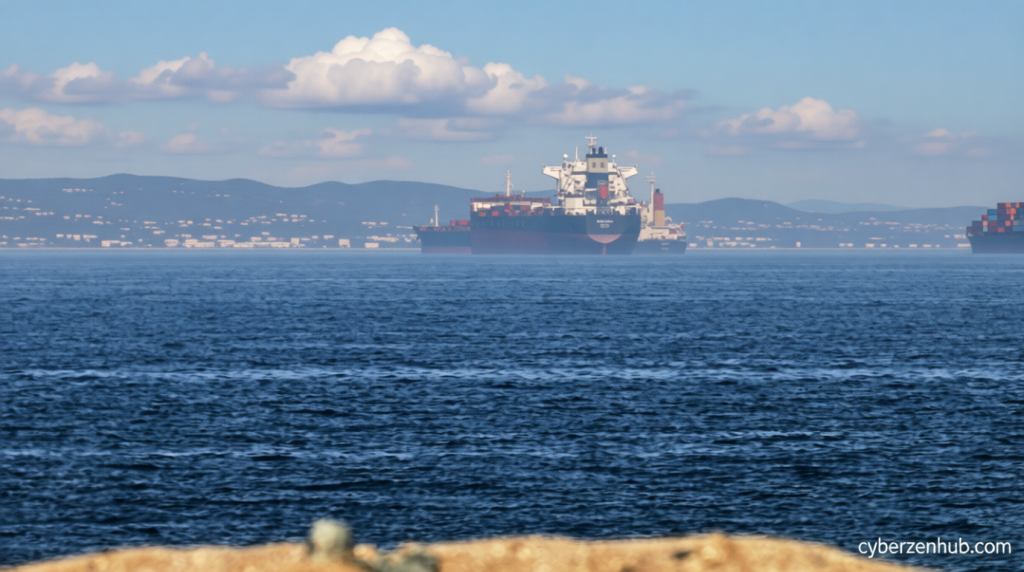
Iran live updates – As Iran live updates unfold, the U.S. and its allies have launched a new phase of military operations in the Strait of Hormuz, a vital maritime corridor for global oil transportation. These strikes, targeting two vessels in the region, signaled the official start of Trump’s initiative dubbed “Project Freedom.” The operation was designed to counter Iran’s expanding influence and safeguard international shipping routes. The coordinated efforts, involving American and Israeli forces, aimed to disrupt Iran’s ability to control the strait and assert dominance over key trade lanes. Analysts suggest the attacks were both a demonstration of resolve and a strategic move to pressure Iran into diplomatic negotiations.
“This is a decisive step to ensure freedom of navigation in the strait,” Trump declared, framing the operation as essential for regional security. The attacks, which occurred amid heightened tensions, were a response to Iran’s recent activities that threatened commercial shipping. The targeted vessels, identified as Iranian-operated, were hit with precision, showcasing advanced targeting capabilities. While the U.S. emphasized the necessity of these strikes, Iran accused Washington of using military force to justify economic sanctions and geopolitical pressure.
Blockade and Diplomatic Implications
Despite the military actions, the U.S. continued its economic sanctions on Iran, maintaining a blockade that has restricted key sectors of the country’s economy. Trump’s administration stated the measures would remain in place until Iran met its demands, including limiting nuclear development and reducing regional aggression. The blockade, combined with the recent strikes, aimed to create a dual pressure on Iran—both financially and militarily. However, the ongoing conflict raised concerns about its impact on global energy supplies and the potential for further escalation in the region.
“We’re not backing down from our strategy,” said a U.S. official, highlighting the administration’s commitment to economic leverage. The attacks in the strait were seen as a test of Iran’s resilience and a warning to its allies in the Middle East. While some nations supported the U.S. approach, others questioned whether the combination of military and economic measures would lead to a lasting resolution. The continued presence of U.S. forces in the region, alongside the open-ended ceasefire, created an atmosphere of persistent tension.
Iran live updates have revealed the country’s strong reaction to the strikes, with officials condemning the actions as an aggressive move by the U.S. and its allies. The attacks, which took place in late April, were followed by a two-week ceasefire, a period intended to facilitate diplomatic talks. However, the discussions in Islamabad did not yield significant progress, leaving the conflict’s trajectory uncertain. Trump’s decision to extend the ceasefire indefinitely added complexity to the situation, allowing the military to remain engaged while negotiations continued.
“The U.S. is playing a long game here,” noted a Middle East expert, reflecting on the strategic implications of the moves. The strikes and sanctions were positioned as part of a broader effort to reshape Iran’s regional role. While the administration argued these actions would strengthen alliances and deter Iran’s aggression, critics warned of the risk of miscalculation. The combination of military pressure and economic constraints has the potential to either stabilize the region or push it toward greater instability.
With Iran live updates showing ongoing geopolitical maneuvering, the situation remains fluid. The attacks in the strait underscored the urgency of securing freedom of navigation, a goal central to U.S. interests in the Persian Gulf. Meanwhile, the extended ceasefire provided a window for diplomacy, though it also allowed Iran to regroup and reinforce its military posture. As the conflict progresses, the interplay between military strikes and diplomatic efforts will be crucial in determining the outcome of U.S.-Iran tensions in the region.