IAEA Director-General Affirms Inspections of Iran’s Nuclear Facilities Amid Diplomatic Tensions
Cyberzenhub.com – TOKYO — In a pivotal development, the Director-General of the International Atomic Energy Agency (IAEA), Rafael Mariano Grossi, confirmed on Wednesday that his inspectors will soon visit Iran’s nuclear enrichment sites. This move marks a critical step in the ongoing diplomatic efforts between the United States and Iran to resolve the escalating conflict over nuclear capabilities. The IAEA, often regarded as the world’s authority on nuclear verification, has long played a central role in assessing Iran’s adherence to international nuclear agreements. Grossi’s statement underscores the agency’s commitment to ensuring transparency in Iran’s nuclear activities, despite recent geopolitical challenges.
Historical Context of the 2025 Conflict
Since Israel initiated a 12-day military campaign against Iran in 2025, the IAEA has faced significant obstacles in its inspections. Tehran has restricted access to key enrichment sites, where the Islamic Republic is believed to have amassed sufficient highly enriched uranium to manufacture up to 10 nuclear weapons if it accelerates its program. This potential threat has raised alarms among global powers, prompting the interim agreement aimed at de-escalating tensions and establishing a framework for broader negotiations.
The IAEA has previously inspected other facilities in Iran, such as the Bushehr nuclear power plant, which remains operational. However, the agency has been unable to verify the status of Iran’s enriched uranium stockpile or assess the cascades of centrifuges used in the enrichment process without access to the contested sites. Grossi emphasized that the Memorandum of Understanding, signed by both U.S. and Iranian presidents, explicitly mandates that all nuclear material facilities be supervised by the IAEA. This document, he stated, is essential to ensuring that Iran’s activities align with the terms of the interim deal.
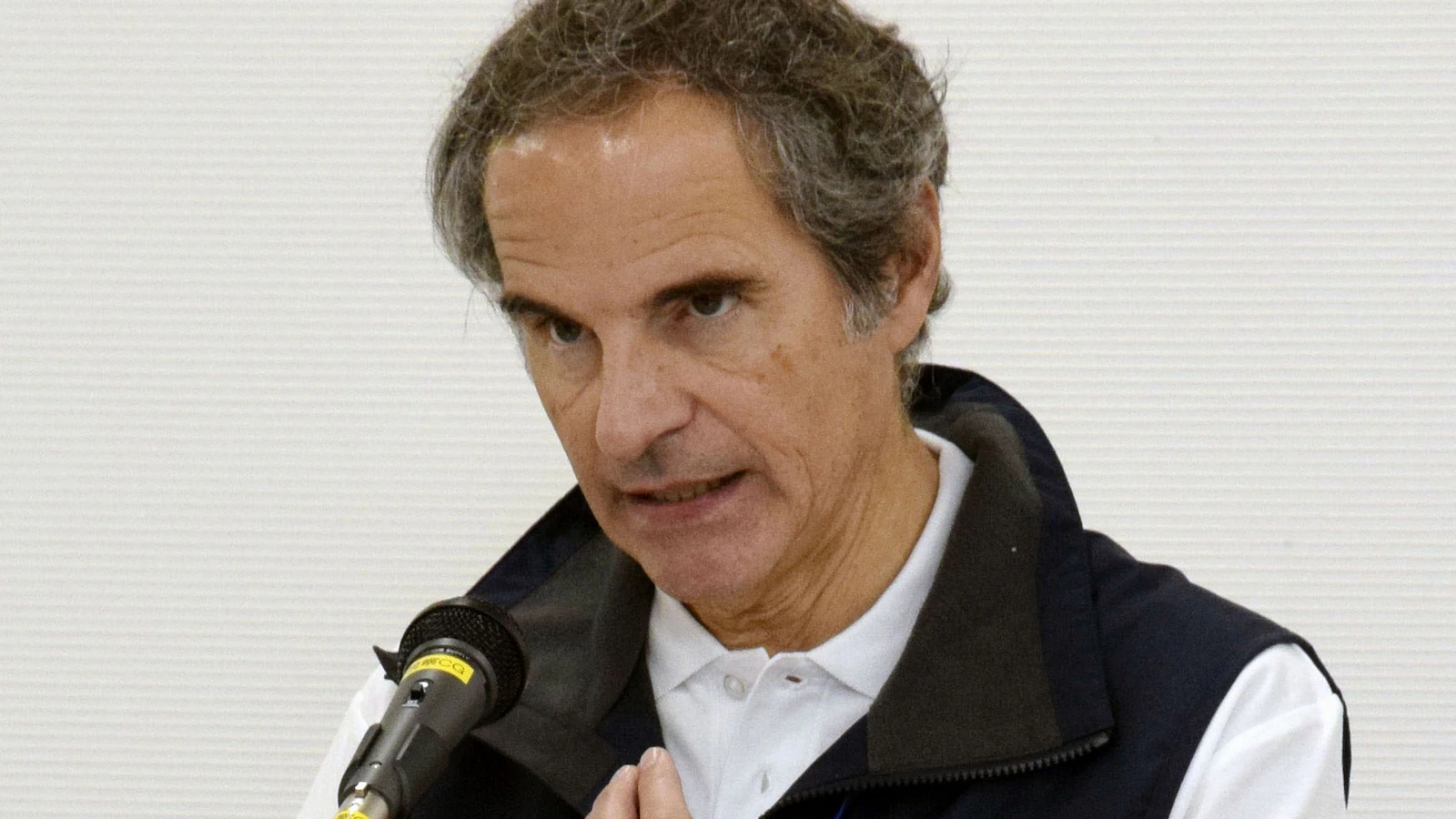
“Political statements are part of the reality, but the fundamental thing I would like to remind you is that there has been a Memorandum of Understanding, signed by both presidents,” Grossi said during a news conference at the Fukushima Daiichi nuclear power plant. “This agreement says explicitly that the nuclear activities related to the material facilities will be supervised by the IAEA—in all letters.”
The interim agreement, which gained momentum last week, requires Iran to dilute its uranium stockpile from highly enriched levels to lower concentrations. This process, known as downblending, is intended to reduce the risk of Iran developing nuclear weapons. In exchange, the U.S. has agreed to suspend its backed sanctions, providing Iran with a window to negotiate more comprehensive terms. The deal also grants both parties 60 days to finalize broader agreements, though this period is already under pressure from recent developments.
Iran’s Stance and the Inspection Dispute
Iran has consistently maintained that its nuclear program is peaceful and aligned with international norms. However, the country’s refusal to allow inspections of its enrichment sites has sparked concerns about its compliance. On Tuesday, Iran’s Foreign Ministry spokesperson, Esmail Baghaei, dismissed U.S. claims that inspections would occur soon, stating that the U.N. inspectors were not scheduled to examine sites bombed by the U.S. in 2025. This position contradicts earlier remarks by U.S. Vice President JD Vance, who had suggested that inspections would be conducted promptly.
Grossi’s announcement follows a period of uncertainty. The IAEA’s ability to verify Iran’s nuclear activities hinges on its access to the enrichment facilities, where the critical process of uranium enrichment takes place. Without this access, the agency cannot confirm whether Iran is adhering to the terms of the interim deal or covertly building a nuclear arsenal. Nonproliferation experts warn that Iran may be relocating its enriched uranium stockpile to undeclared locations, further complicating verification efforts.
Implications for the Broader Agreement
The upcoming inspections are vital to the success of the interim deal. By confirming that Iran’s enriched uranium is being downblended, the IAEA can provide reassurance to the international community that the country is not rapidly advancing its nuclear capabilities. However, the delay in inspections has tested the fragile ceasefire between the U.S. and Iran. Last week, Iran closed the Strait of Hormuz over fighting between Israel and Hezbollah in Lebanon, a move that underscored the volatility of the situation.
Despite this, the violence in Lebanon on Tuesday did not escalate, offering a brief respite. This stability, however, does not negate the concerns surrounding Iran’s nuclear program. The IAEA’s verification process is designed to ensure that Iran’s enrichment activities are transparent and compliant with international agreements. Grossi’s assurance that inspections will occur, regardless of timing, signals a determination to uphold the deal’s core principles.
As the IAEA prepares to conduct these inspections, the focus remains on Iran’s uranium stockpile and its potential to be weaponized. The agency’s ability to access the enrichment sites will determine whether the interim agreement can hold or if further sanctions and diplomatic pressure are needed. With the U.S. and Iran working to secure broader agreements within 60 days, the outcome of these inspections could shape the future of their nuclear negotiations and the overall stability of the region.
The IAEA’s role as a neutral arbiter has been central to this process. By verifying Iran’s nuclear activities, the agency aims to build trust between the two nations and ensure that Iran’s enrichment program does not pose an immediate threat. Grossi’s visit to Fukushima Daiichi, a site symbolizing both the risks of nuclear energy and the resilience of international cooperation, highlights the agency’s broader mission. His comments at the plant, where a nuclear disaster struck in 2011, serve as a reminder of the stakes involved in maintaining nuclear transparency.
Iran’s resistance to inspections has been a point of contention. While the country claims it has not enriched uranium beyond 60% purity, experts note that this level is sufficient for producing weapons-grade material. The IAEA’s inspections are not only about confirming compliance but also about addressing lingering doubts about Iran’s intentions. With the interim deal set to expire in 60 days, the need for timely verification has never been more urgent.
As the IAEA moves forward with its inspection plans, the international community watches closely. The agency’s findings will be crucial in determining whether Iran’s nuclear program remains under control or if new measures are required to prevent proliferation. Grossi’s firm stance on the necessity of inspections reflects the agency’s role as a guardian of nuclear nonproliferation, even in the face of political challenges.
In the days ahead, the IAEA will need to navigate Iran’s hesitations and the broader geopolitical landscape. The outcome of these inspections could either solidify the interim agreement or expose vulnerabilities that may lead to renewed tensions. With the U.S. and Iran locked in a delicate dance of diplomacy, the IAEA’s efforts to verify compliance remain a cornerstone of their shared goal: to end the nuclear standoff and secure a lasting peace.
The situation also highlights the importance of the IAEA’s work in maintaining global nuclear security. By ensuring that Iran’s enrichment activities are monitored, the agency helps prevent the spread of nuclear weapons. Grossi’s remarks underscore that while political statements are inevitable, the commitment to verification is non-negotiable. As the interim deal’s timeline tightens, the IAEA’s inspections will be a decisive factor in its success or failure.
Amid these developments, the broader implications for international relations remain significant. The interim agreement between the U.S. and Iran is part of a larger effort to stabilize the Middle East and prevent further conflict. The IAEA’s role in this process exemplifies the interplay between science, diplomacy, and security. As the agency prepares to inspect Iran’s nuclear sites, the world holds its breath, hoping that transparency will pave the way for a peaceful resolution.