Venezuela’s Earthquake Crisis: Over 50,000 Missing Amid Rising Casualty Numbers
Cyberzenhub.com – As the aftermath of Venezuela’s devastating seismic events unfolds, officials have confirmed that nearly 50,000 individuals remain unaccounted for, with the death toll steadily increasing. The earthquakes, which struck on June 24, 2026, caused widespread destruction, toppling structures and displacing thousands of residents. Venezuelan representative Jorge Rodriguez reported on Wednesday that at least 2,295 people have perished, while an additional 11,267 have been injured. The scale of the disaster has left communities in disarray, with many still searching for loved ones buried beneath the rubble.
Rescue Efforts Intensify Amid Ongoing Search for Survivors
Despite the grim statistics, rescue operations continue to prioritize finding those missing. A Jordanian team, working alongside local authorities, recently rescued a child from the debris in Caracas, a moment captured by Reuters. The operation highlighted the tireless efforts of international aid organizations, who are combing through the wreckage with bare hands, often in challenging conditions. Rodriguez emphasized that the number of impacted individuals has surpassed 26,403, encompassing those who lost their homes or suffered significant structural damage. “The situation is critical, and every moment counts in the search for survivors,” he stated, underscoring the urgency of the response.
“The situation is critical, and every moment counts in the search for survivors.” – Venezuelan representative Jorge Rodriguez
Amid the chaos, the International Rescue Committee (IRC) has raised concerns about the long-term implications of the disaster. They noted that Venezuela’s water supply systems have partially collapsed in several regions, leaving thousands without reliable access to clean drinking water. This has compounded the difficulties faced by survivors, many of whom are now relying on emergency rations and makeshift shelters. The IRC’s report also highlighted the vulnerability of children, who are among the nearly 50,000 missing and are particularly at risk in the search for shelter and sustenance.
Impact on Communities and Infrastructure
The earthquakes’ aftermath has revealed the fragility of Venezuela’s infrastructure. Aerial footage from Caraballeda, in La Guaira state, shows entire neighborhoods reduced to ruins, with buildings leaning at dangerous angles or entirely collapsed. The damage has disrupted transportation networks and communication lines, complicating the coordination of relief efforts. Local authorities have described the region as a “tale of two cities”—where some areas remain relatively intact, while others are nearly unrecognizable. Residents have taken to the streets in the days following the tremors, fleeing from collapsing structures and forming makeshift aid camps.
One week into the crisis, the scale of destruction is becoming more apparent. The IRC has been actively assessing the situation, noting that while immediate rescue efforts have salvaged dozens of lives, the search for those still trapped is far from over. “The rubble is vast, and the human cost continues to mount,” an IRC spokesperson said in a statement. The organization has called for increased international support to address the urgent needs of affected populations, particularly in areas where the water supply has been severed. This has forced communities to rely on bottled water and emergency deliveries, with volunteers playing a crucial role in distributing essential supplies.
Stories of Survival and Loss
Among the thousands affected, personal accounts of survival and loss have emerged. A woman who narrowly escaped the quakes with her newborn shared her experience in an emotional interview. “I was in my kitchen when the ground started shaking. I grabbed my baby and ran out just as the wall fell,” she recounted. Her story, along with others, has underscored the harrowing reality for many families. Meanwhile, reports of a child being rescued from the rubble by a Jordanian team have brought a glimmer of hope, though the broader toll of the disaster remains devastating.
“I was in my kitchen when the ground started shaking. I grabbed my baby and ran out just as the wall fell.” – Survivor’s account
Experts warn that the full extent of the damage may not be fully known for weeks. The two earthquakes, measuring magnitudes that were among the strongest in the country’s recent history, triggered landslides and liquefied soil in some regions, exacerbating the destruction. Scientists have also pointed to the aging infrastructure as a contributing factor to the severity of the impact. “Many buildings were not designed to withstand such powerful tremors,” said a geologist analyzing the seismic activity. “The combination of weak construction and the frequency of the quakes has led to catastrophic outcomes.”
As the recovery process begins, the focus remains on both immediate relief and long-term rebuilding. International aid groups have pledged to assist with food, water, and medical supplies, while local leaders are working to coordinate efforts. However, the challenge of reaching remote areas with limited resources persists. “We are moving as quickly as possible, but the terrain and the lack of equipment are slowing us down,” a volunteer from a Caracas-based organization explained. The situation has also raised questions about the country’s preparedness for such disasters, with some critics calling for better investment in infrastructure and emergency systems.
Global Response and Calls for Support
The earthquakes have sparked a global outpouring of support, with nations and organizations pledging aid. Aerial images of the wreckage in Caraballeda, taken on June 30, 2026, have circulated widely, drawing attention to the scale of the crisis. The Jordanian team’s rescue operation, which included using advanced equipment to locate survivors in the rubble, has been hailed as a critical example of international collaboration. However, the need for sustained assistance remains urgent, as the IRC and other agencies warn that the situation could worsen without timely intervention.
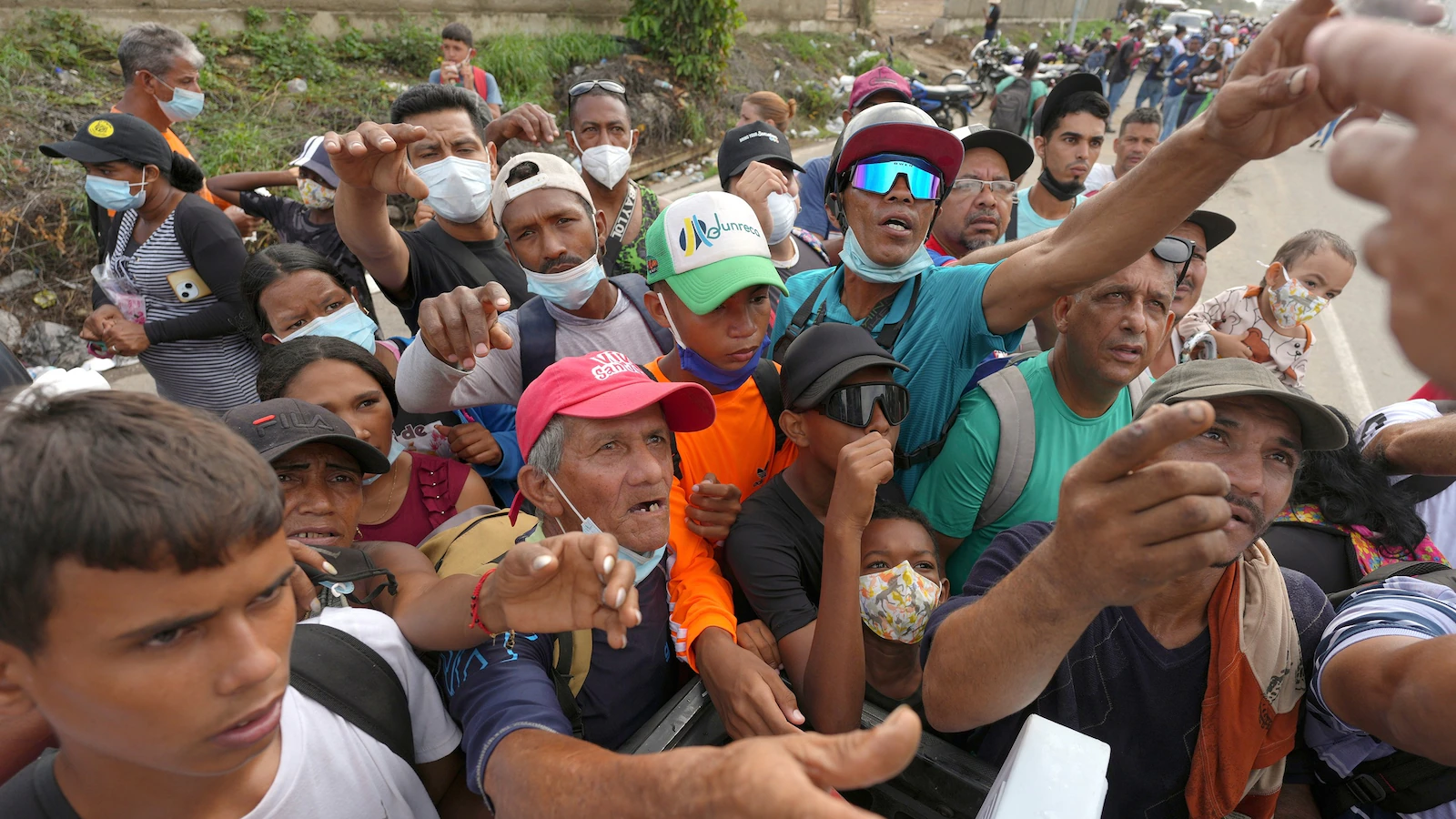
Residents in affected areas are now focusing on daily survival, with many relying on neighbors and volunteers for basic necessities. In La Guaira state, a group of volunteers has been setting up distribution points, handing out food and water to those in need. “We have to act fast because the supplies are running out,” said one volunteer. The community’s resilience, however, is being tested by the ongoing uncertainty. With nearly 50,000 people missing and the death toll climbing, the path to recovery will require months of coordinated effort. Yet, for many, the priority is simply to stay alive and hope for better days ahead.
As the world watches the unfolding crisis, the stories of those who survived and those who were lost continue to shape the narrative. The earthquakes have not only left a physical mark on Venezuela but also a deep emotional one. For families who have lost loved ones, the search for closure is as important as the search for survivors. Meanwhile, the international community has been urged to provide both humanitarian aid and technical support to help the country rebuild. The next steps will determine whether Venezuela can emerge from this disaster stronger or whether its challenges will continue to mount in the days and weeks to come.