U.S. Citizens Express Growing Economic Anxiety Amid Iran Conflict
Cyberzenhub.com – As the United States enters its fifth month of military engagement with Iran, citizens are increasingly voicing worries about their financial well-being. The ongoing conflict has triggered oil supply disruptions, pushed energy costs higher, and contributed to rising inflation rates across the nation. Multiple surveys conducted throughout this month reveal that most Americans feel deeply concerned about purchasing expenses, view current economic conditions unfavorably, and anticipate further deterioration ahead. These findings paint a picture of widespread pessimism as the country approaches November’s midterm congressional elections.
Survey Results Show Negative Economic Sentiment
Recent polling data illustrates the depth of American dissatisfaction. according to available information, ‘s survey, only twenty-three percent of respondents rated the economy positively, while seventy-seven percent expressed unfavorable opinions. The Pew Research Center reported similar results, with approximately seventy-five percent of participants viewing economic conditions negatively. Fox News polling corroborated these findings, showing three-quarters of respondents holding negative views, including forty-one percent who described the situation as poor.
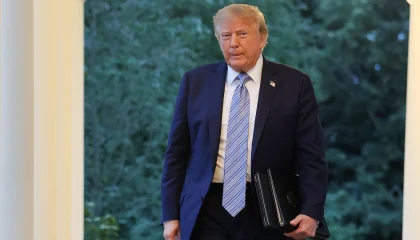
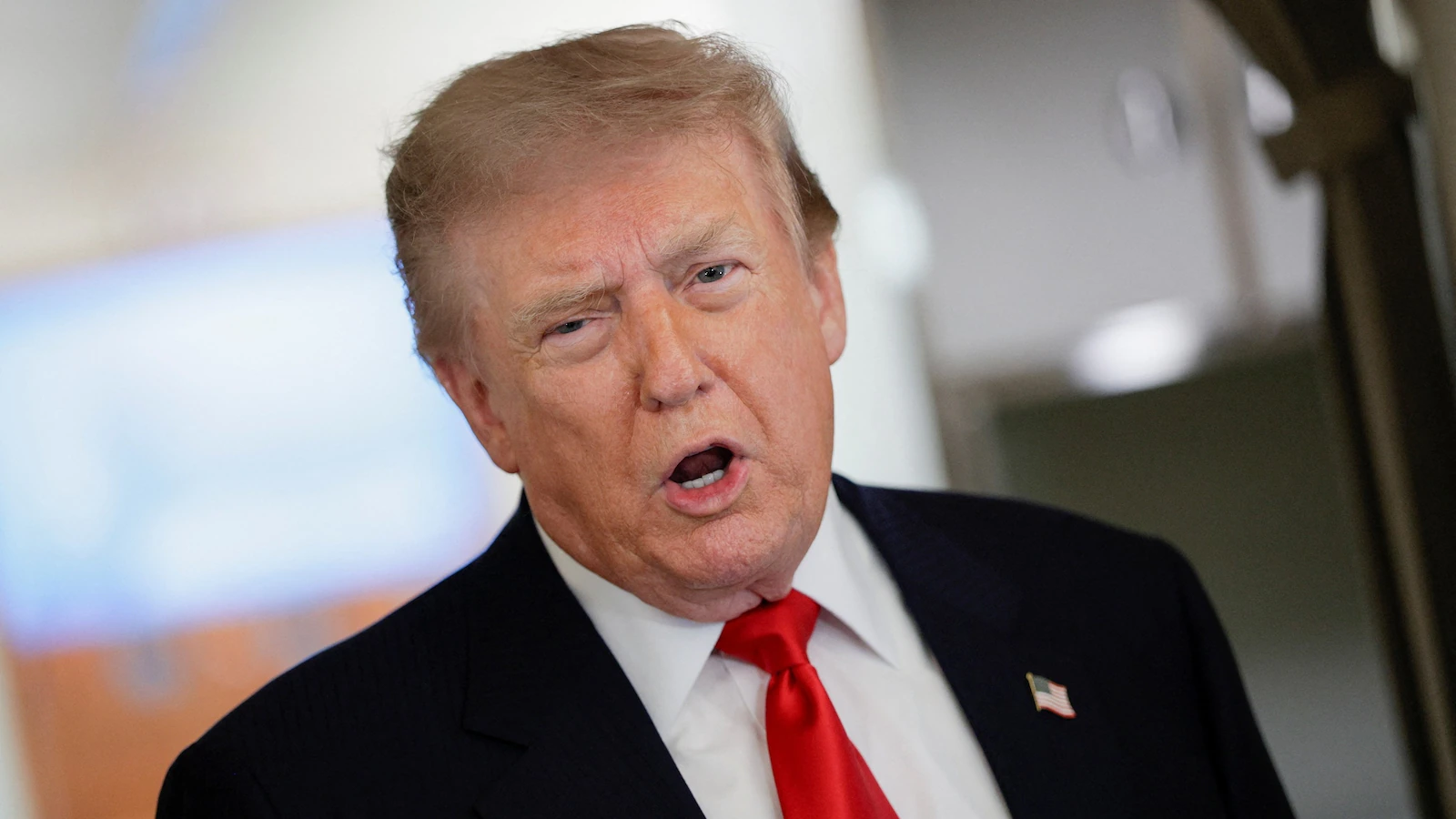
President Donald Trump addressed the nation while traveling aboard Air Force One to Michigan on July 27, 2026, as the economic climate remained uncertain. Evan Vucci captured the moment for Reuters news agency.
Rising Costs Dominate Public Concern
Inflation increased by 3.5 percent during June when compared to the previous year, offering some relief after April’s rate of 4.2 percent. Nevertheless, American consumers remain exceptionally anxious about pricing. Pew survey respondents indicated strong concern regarding healthcare expenses (69 percent), food and consumer product costs (66 percent), housing prices (64 percent), gasoline rates (56 percent), and electricity bills (54 percent).
The percentage of Americans extremely worried about fuel costs has climbed substantially from thirty-four percent in January. Most other concern levels have remained relatively stable since that time. Political affiliation plays a role in these perceptions, with Democrats demonstrating greater concern than Republicans across most economic categories. The largest differences appeared regarding unemployment rates and expenses for healthcare, housing, groceries, and general consumer items.
A Washington Post/Ipsos survey revealed that sixty-six percent of Americans considered groceries unaffordable during this month, a significant increase from forty-five percent before Iran hostilities commenced in February.
Approximately three-quarters of CNN poll participants reported that elevated fuel prices created financial difficulties for their households, with more than twenty percent experiencing severe hardship. Additionally, many Americans felt President Trump lacked a definitive strategy for addressing rising gas costs.
Future Economic Outlook Remains Bleak
Americans show little confidence that conditions will improve soon. The Washington Post/Ipsos survey demonstrated that respondents were more than twice as likely to predict economic decline (48 percent) rather than improvement (20 percent) over the coming year. Fox polling indicated fifty-four percent of registered voters expected worsening conditions, with Democrats (75 percent) and independents (64 percent) showing particularly strong pessimism. Most Republicans, however, maintained optimism at seventy-one percent.
Quinnipiac research found fifty-nine percent of registered voters believed the national economy was deteriorating, while forty-nine percent reported personal financial decline compared to one year prior. Pew data showed Americans feel even less hopeful now than at year’s beginning, with only twenty-three percent expecting better conditions in twelve months, down from thirty-one percent in January.
This pessimism extends beyond immediate assessments. The Post/Ipsos poll revealed fifty-nine percent of Americans doubt their families can enhance their standard of living, exceeding optimistic responses by nearly twenty points. Economic inequality appears entrenched, with Fox News reporting sixty-five percent believe the system favors wealthy Americans, up from fifty-six percent in 2019.
President Trump faces considerable criticism for economic management. CNN polling showed seventy percent of Americans disapprove of his handling of economic matters, matching a record high established earlier in spring. This disapproval rate continues climbing as financial pressures mount across households nationwide.
Quinnipiac’s survey found eighty-eight percent of voters identified inflation as a serious national problem. Fox News polling indicated three-quarters of registered voters experienced financial hardship due to inflation, with thirty-four percent reporting severe difficulties, representing an eight-point increase from the previous year.
The cumulative effect of these surveys suggests Americans are bracing for continued economic challenges as the Iran conflict persists and domestic costs continue rising across multiple categories essential to daily life.
Related Reading
Frequently Asked Questions
What is Americans are down on the economy?
Americans are down on the economy is the main topic of this guide. The article explains the context, practical details, and next steps readers should understand.
Why does Americans are down on the economy matter?
Americans are down on the economy matters because readers are looking for a useful answer, not just a short summary. Good content should match search intent and help them decide what to do next.