
Bernie Sanders Adds His Voice to Calls for Platner to Withdraw from Maine Senate Race
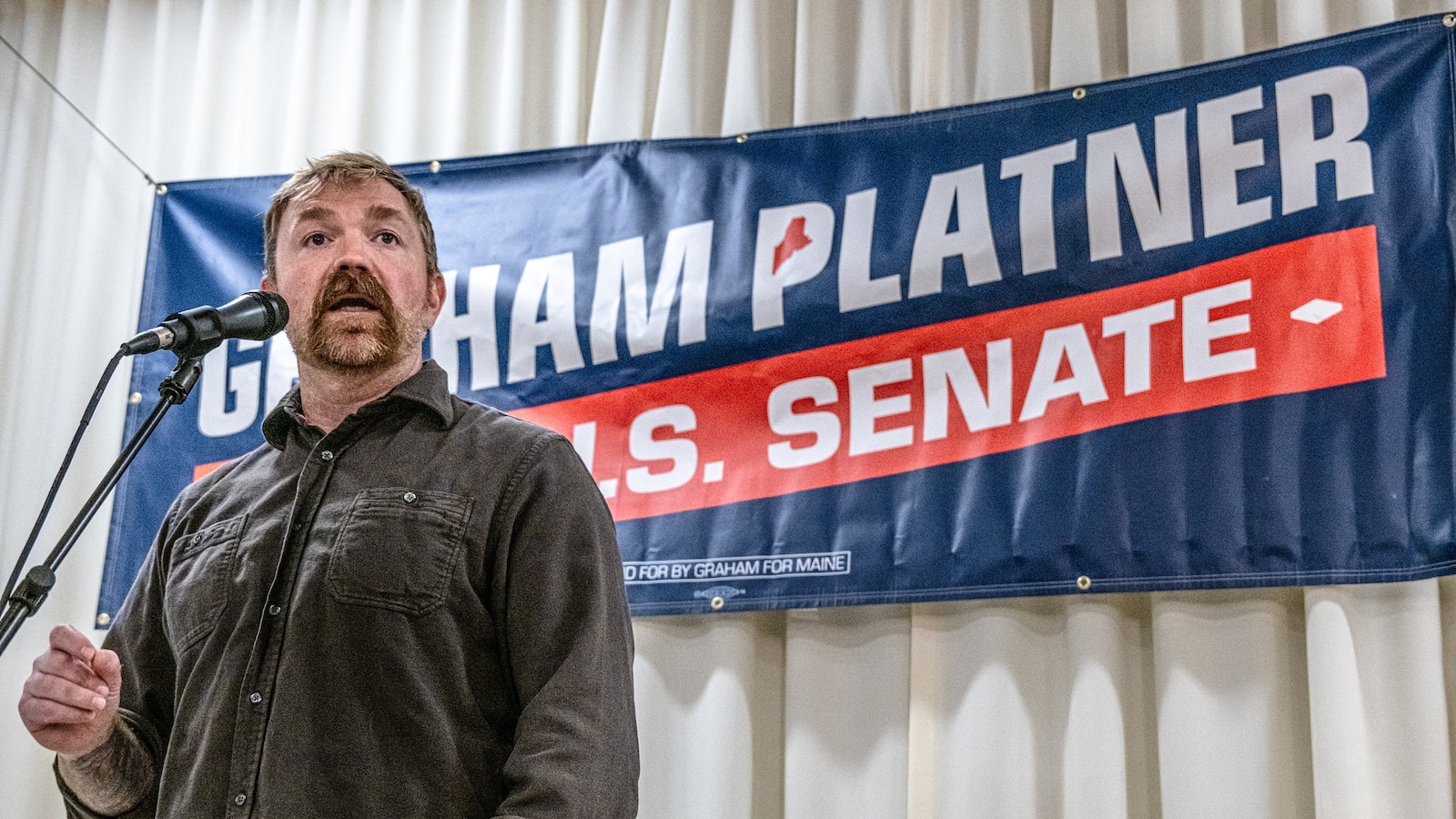
Cyberzenhub.com – Graham Platner, the Democratic Senate candidate in Maine, has found himself under increasing pressure to withdraw from the race after a sexual assault allegation surfaced on Monday. The claim, made by Jenny Racicot, a former girlfriend, has sparked a wave of criticism within the party. Platner has denied the accusations, describing them as “categorically false” and emphasizing that he is “taking the time to reflect on the best path forward.”
Details of the Allegation Emerge in Politico Report
A Politico report published on Monday detailed Racicot’s account of an incident that occurred five years ago while she was dating Platner. According to the report, Platner allegedly pressured her into sexual activity without her consent following repeated requests for him to cease. The story highlights the growing scrutiny surrounding Platner’s campaign, with Racicot now choosing to share her experience publicly after speaking to the New York Times off the record earlier this month.
“The allegations reported today are incredibly disturbing—violence, abuse, and sexual assault are absolutely unacceptable. Graham Platner needs to immediately withdraw as the Democratic nominee for Senate and allow Maine Democrats the opportunity to choose a new candidate who can defeat Susan Collins,” wrote Senate Democratic Leader Chuck Schumer and Sen. Kirsten Gillibrand in a joint statement.
The Maine Democratic Party has also weighed in, issuing a statement that calls the allegations “serious” and “credible.” Party officials, including Chair Charlie Dingman, Vice Chair Imke Schessler, and Executive Director Devon Murphy-Anderson, urged Platner to step down as the party’s nominee. They emphasized that their support for women and survivors is non-negotiable, regardless of political ties.
Senators Elizabeth Warren and Bernie Sanders, who were early backers of Platner’s campaign, have since joined the chorus of voices demanding his exit. Sanders stated in a Tuesday press release, “I have spoken with Graham Platner about the best path forward for Maine. In light of these very serious allegations, I have recommended that he step aside.” This marks a significant shift from their previous endorsement, as the senator has long been a vocal advocate for progressive causes.
Endorsements Withdrawn Amid Rising Pressure
Reactions from national Democrats have intensified, with Rep. Ro Khanna of California also urging Platner to drop out of the race. In a post on X, Khanna declared, “I’ve been very clear that sexual assault or violence against women is a red line. These allegations are very serious and credible. Graham Platner should drop out from the race. I am withdrawing my endorsement.” Similarly, Arizona Sen. Ruben Gallego announced his decision to rescind his support, stating, “The allegations against Graham Platner are troubling and deeply serious. I am rescinding my endorsement.”
The campaign of Platner has faced multiple controversies since its launch, including accusations of sending sexually explicit messages to several women and a tattoo featuring Nazi imagery. Platner explained that he was unaware of the tattoo’s symbolic meaning until it was pointed out, and he took steps to conceal it once informed. His team has consistently defended him, claiming that the current allegations are part of a coordinated effort by out-of-state establishment figures to undermine his candidacy.
Political Implications and Public Response
The timing of the allegations has added urgency to the debate over Platner’s future. With the June 9 primary election approaching, the incident has raised questions about his viability as a candidate and the potential impact on the party’s chances in the race against Republican Susan Collins. While some Democrats remain loyal to Platner, others argue that his withdrawal could strengthen the party’s unity and message.
Racicot’s decision to go public with her allegations has drawn attention to the broader issue of sexual misconduct in politics. She expressed her belief in Platner’s policies, which partially delayed her revelation. “I share Graham’s political vision,” she said in the Politico interview, “but the personal aspect of this has taken its toll.” Her testimony has become a focal point for critics, who see it as evidence of a pattern of behavior that undermines the credibility of the campaign.
Platner’s campaign has faced a series of challenges, from viral videos to social media backlash. Despite these setbacks, he has maintained a strong presence in the state, with recent appearances at town halls drawing crowds. However, the latest scandal has forced his team to reevaluate their strategy. In a Monday afternoon statement, they asserted that the allegations are “very serious” and that Platner “vigorously denies them,” framing the controversy as a targeted attack rather than a reflection of his character.
Local and National Divisions in the Party
The situation has also highlighted divisions within the Maine Democratic Party. While leadership has called for Platner’s withdrawal, some local officials and activists have hesitated to endorse his removal. The party’s internal debate mirrors the national tension between progressive values and pragmatic political considerations. As the primary nears, the decision to keep or drop Platner could influence the trajectory of the Senate race and the broader Democratic agenda.
Platner’s team has argued that the allegations are part of a larger effort to destabilize his campaign. They pointed to the coordinated nature of the attacks, which they claim are orchestrated by external forces. “For a year, opponents of this campaign have thrown everything they can at Graham—calling him a Nazi, a war criminal, and a communist,” the campaign statement said. “None of it has been true, and this is no different.”
As the political pressure mounts, Platner’s fate remains uncertain. The support of high-profile figures like Sanders and Warren, once steadfast, now seems to waver. With the primary election just days away, the question is whether the party can rally behind a candidate or whether the scandal will force a change in leadership. The outcome could have far-reaching consequences for the Democratic Party’s chances in the Senate race and its ability to project a unified front in the state.
The incident has also reignited discussions about the role of personal conduct in political campaigns. Many Democrats argue that the allegations provide a compelling case for Platner to step aside, allowing the party to select a candidate with a stronger track record of integrity. Meanwhile, Platner’s supporters maintain that the accusations are politically motivated and that he remains a viable choice for the Senate seat.
Broader Context of the Senate Race
The Maine Senate race is a critical battleground for the Democratic Party, with Platner’s candidacy seen as a potential challenge to Republican Susan Collins. The allegations have not only impacted Platner’s image but also raised concerns about the party’s ability to field a strong contender in the face of mounting pressure. As the race intensifies, the campaign’s response to the sexual assault claim will likely shape its narrative and influence voter perceptions.
With the primary just days away, the political landscape is shifting rapidly. The call for Platner’s withdrawal underscores the gravity of the situation and the commitment of national Democrats to prioritize accountability. Whether this leads to a change in leadership or a prolonged campaign remains to be seen, but the incident has undoubtedly placed Platner at the center of a heated debate within the party.