
College football champion Indiana Hoosiers to visit White House this month: Source
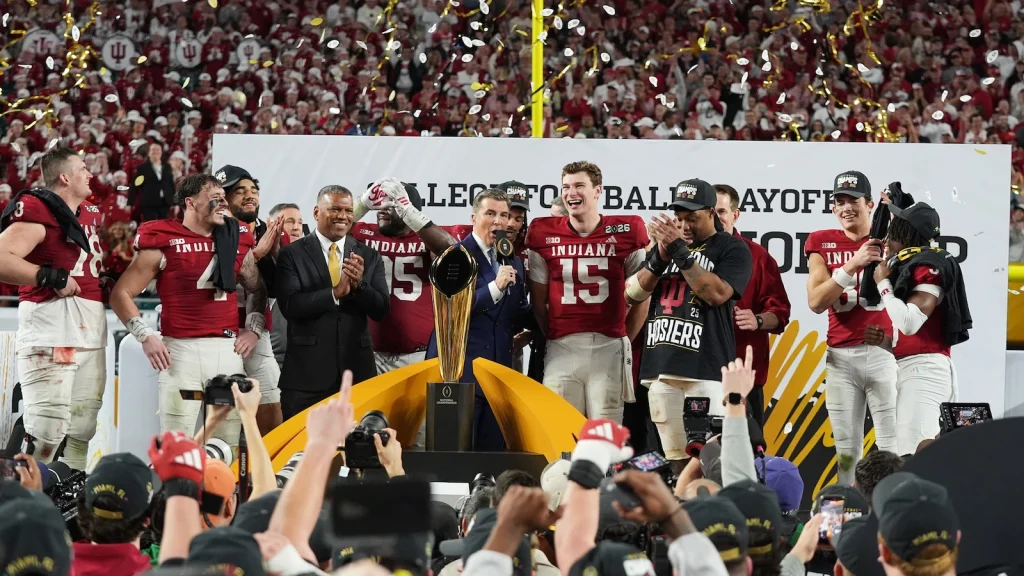
College Football Champion Indiana Hoosiers to Receive White House Honor This Month
College football champion Indiana Hoosiers to visit – The 2025 College Football Playoff national champions, the Indiana Hoosiers, are set to make a historic visit to the White House on Monday, May 11, as confirmed by a source close to the team’s plans. This marks a significant moment for the program, which has long sought recognition on the national stage. The visit, an exclusive honor reserved for victorious collegiate and professional teams, will likely highlight the Hoosiers’ undefeated season and their triumph over the Miami Hurricanes in the championship game. However, details about the team’s itinerary remain incomplete, with uncertainty surrounding the participation of Fernando Mendoza, the former Indiana quarterback and Heisman Trophy winner, who was selected first in the April 2026 NFL Draft.
Championship Victory and Legacy
Earlier this year, the Hoosiers secured their first-ever national title in a dramatic 27-21 showdown against the Miami Hurricanes on January 19, 2026, in Miami Gardens, Florida. The game’s decisive moment came when Mendoza, the team’s standout performer, executed a late-game touchdown run that sealed the victory. His leadership during the season, which saw Indiana finish undefeated, has become a defining chapter in the program’s history. The White House invitation underscores the prestige of this achievement, though the team’s plans for congressional engagement remain unclear. While some teams combine their White House visits with trips to Capitol Hill, the source could not confirm whether the Hoosiers’ schedule includes a meeting with lawmakers.
Coach Curt Cignetti, who has led Indiana to its first national championship, is also expected to attend the event. His strategic guidance and motivational tactics have been instrumental in transforming the Hoosiers into a powerhouse. The trip serves as both a celebration of the team’s success and a symbolic gesture of support for college sports as a whole. Cignetti’s presence will likely reinforce the connection between the program’s triumph and the broader narrative of athletic excellence in the NCAA.
Trump’s Push for College Sports Reform
This visit occurs amid President Donald Trump’s ongoing campaign to “save” college sports. Last month, he signed an executive order directing Congress to act swiftly on legislation addressing the future of competition and opportunity in collegiate athletics. The document emphasizes the need to balance revenue growth with player rights, particularly in football and basketball. Trump’s efforts have gained traction as the college sports landscape continues to evolve, with issues like name, image, and likeness (NIL) deals at the center of debates about fairness and financial equity.
The White House has increasingly focused on the economic and regulatory challenges facing college sports. In addition to the Hoosiers, several other championship teams have been invited to the event, reinforcing Trump’s message of unity and reform. His administration has framed the visits as opportunities to showcase the national significance of collegiate athletics and to rally support for measures that could reshape the industry. The Hoosiers’ trip, however, may carry added weight due to Mendoza’s unique status as a former star who transitioned directly to the NFL.
“Expeditiously passing legislation to address the future of college sports is critical to ensuring opportunities for all athletes,” Trump stated in a recent address, underscoring his commitment to the cause.
Scrutiny Over NIL Deals and Pay-for-Play Practices
As the Hoosiers prepare for their White House visit, the program’s success is being juxtaposed with growing concerns about the financial dynamics of college athletics. The White House and Washington lawmakers have scrutinized name, image, and likeness (NIL) deals, questioning whether they have created a system where top performers benefit disproportionately while others struggle to compete. These debates have intensified following reports of pay-for-play arrangements, where players may be incentivized to prioritize commercial interests over academic performance.
While Indiana’s victory is celebrated as a testament to talent and dedication, the broader implications of NIL deals remain a topic of discussion. The Hoosiers’ win, combined with Mendoza’s NFL debut, highlights the tension between traditional college sports models and the modern era of athlete compensation. Critics argue that these changes could alter the essence of collegiate competition, while supporters contend they are necessary to attract and retain elite talent. The White House visit may serve as a platform to address these concerns and set the stage for further policy discussions.
Spring Practice and a New Era for the Hoosiers
Looking ahead, the Hoosiers have entered a new phase of development following their championship season. Spring practice, held last week, revealed a reloaded roster featuring high-profile additions from the transfer portal, including quarterback Josh Hoover and wide receiver Nick Marsh. These players, drawn from other programs, aim to elevate Indiana’s performance in the upcoming season as the team seeks to defend its title. The addition of Hoover, a former standout at a Power Five school, and Marsh, a dynamic playmaker, signals a strategic effort to build depth and competition.
Coach Cignetti has emphasized the importance of this squad, noting that the team’s success hinges on its ability to adapt and innovate. “We’re not just rebuilding; we’re redefining what it means to be a championship team,” he said during a recent press conference. The Hoosiers’ preparations for the 2026 season reflect a broader trend in college football, where programs increasingly rely on the transfer portal to bolster their rosters. This strategy, while effective, also raises questions about the balance between competitive parity and institutional investment.
Context and Related Developments
The Hoosiers’ visit to the White House coincides with a period of intense political activity surrounding college sports. In a related development, Trump has reiterated his call for Congress to intervene in the regulation of collegiate athletics, arguing that current policies favor elite institutions at the expense of smaller schools. This stance aligns with his broader agenda to streamline governance and reduce bureaucratic hurdles for sports programs.
Meanwhile, the college sports landscape has also been shaped by other notable events. For instance, the exorbitant prices of World Cup tickets have sparked conversations about the commercialization of collegiate events. These developments, though distinct, highlight the growing influence of politics and economics on the future of athletics. The Hoosiers’ White House invitation, therefore, represents not just a recognition of their achievement but also a reflection of the high stakes involved in shaping the direction of college sports.
As the team prepares for its historic trip, the focus remains on celebrating a hard-earned victory while addressing the challenges that lie ahead. The Hoosiers’ journey from a mid-major program to a national powerhouse serves as a case study for the potential of college football, even as debates about its structure and governance continue to shape the sport’s future.