Democrats Might Be Divided on Party’s Future, But Signal Is Clear
Cyberzenhub.com – The Democratic Party faces a defining moment as voters send mixed signals about its direction. While Democrats might be divided on party leadership and generational representation, the message from recent elections is becoming unmistakable. Connecticut’s First Congressional District race between Luke Bronin and John Larson exemplified this tension, offering a window into what the party’s electorate truly wants.
A Generational Contest in Connecticut
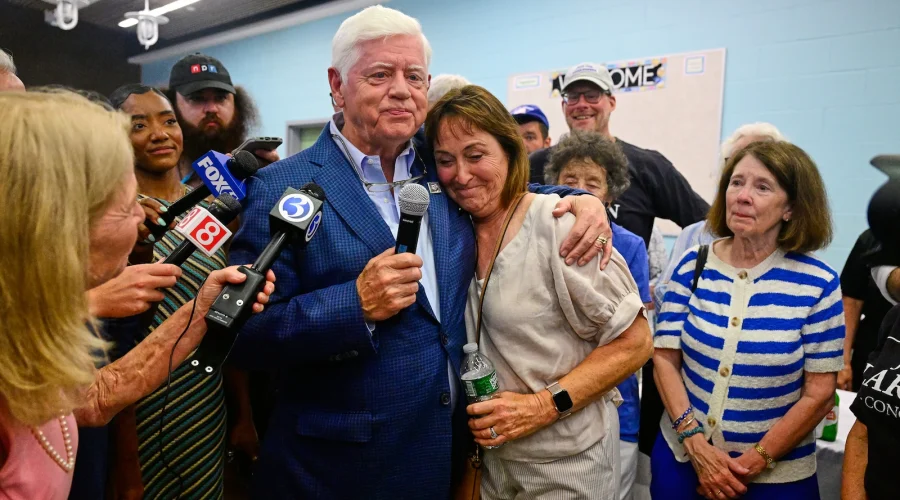
Bronin, the 47-year-old former Hartford mayor, defeated Larson, a 78-year-old incumbent serving his fourteenth term in Congress. The thirty-year age gap between candidates reflected broader concerns within the Democratic Party about representation and renewal. While policy differences existed, the generational dimension dominated the campaign narrative.
Bronin’s victory came on August 11, 2026, during a watch party in Hartford where he celebrated with his children. The moment captured the hopeful energy of his campaign, which positioned him as part of a new wave of Democratic leadership responding to concerns about the party’s direction following President Joe Biden’s withdrawal from the 2024 presidential race.
Larson’s Medical Episode and Political Shift
Larson’s defeat carried personal and political weight. The veteran congressman had been a leading voice in efforts to expand Social Security benefits for future generations. However, his political standing began shifting after a medical episode on the House floor in February 2026. His office described the incident as a “complex partial seizure,” but it quickly became a symbol of concerns about congressional age.
The current Congress ranks among the oldest in American history, making Larson’s experience particularly relevant to Democrats who might be divided on party strategy. The incident added momentum to calls for generational renewal within the party’s leadership ranks.
The Democratic Party in this moment may be even more consumed by the argument between the insurgent left and moderates over its message and leaders through primary season.
Progressive and Centrist Battles Continue
Bronin’s Connecticut victory coincided with other primary results revealing ongoing Democratic tensions. In Michigan, progressive candidate Abdul El-Sayed won a narrow Senate primary, proving that progressive candidates could still compete in competitive races. Meanwhile, Wisconsin’s gubernatorial race featured a democratic socialist candidate, highlighting the party’s ideological diversity.
These results suggest that while Democrats might be divided on party direction, voters are actively engaging with these questions. The challenge for progressives involves winning beyond major urban centers, while centrists must harness enthusiasm from younger voters who increasingly shape the Democratic coalition.
What Voters Want in November
Definitive answers will come in the November elections, when voters determine whether generational change or policy substance takes priority. The Connecticut race demonstrated that at least some Democratic voters are ready for new leadership. As the party navigates tensions between factions, Tuesday’s results provide guidance on what the electorate expects.
Whether that means embracing younger candidates, prioritizing progressive policies, or finding middle ground remains uncertain. What is clear is that Democrats cannot ignore the signals being sent. The party’s future depends on understanding these messages and responding accordingly.
Frequently Asked Questions
Who won the Connecticut First Congressional District race?
Luke Bronin defeated incumbent John Larson in the August 11, 2026 election. Bronin, 47, won over Larson, 78, in a race that highlighted generational differences within the Democratic Party.
What was significant about Larson’s medical episode?
Larson experienced a “complex partial seizure” on the House floor in February 2026. The incident became a talking point for Democrats concerned about the age of congressional leadership.
How does this race reflect broader Democratic Party trends?
The contest mirrors ongoing debates about generational representation, progressive versus centrist priorities, and what kind of leadership voters want to see in Congress.
When will we see more clarity on Democratic Party direction?
November elections will provide clearer answers about whether voters prioritize generational change, policy substance, or a combination of both approaches.