
Immigration Enforcement Gets New Tool: DHS Proposes Electric Shock Gloves for Field Officers
Major Procurement Initiative Targets Officer Safety and De-escalation
Cyberzenhub.com – The Department of Homeland Security has initiated a significant procurement effort to equip U.S. Immigration and Customs Enforcement personnel with advanced electric shock gloves designed for field operations. Official documentation submitted by the agency earlier this week outlines plans to acquire up to $20 million worth of equipment, marking one of the most substantial technology investments in recent immigration enforcement history.
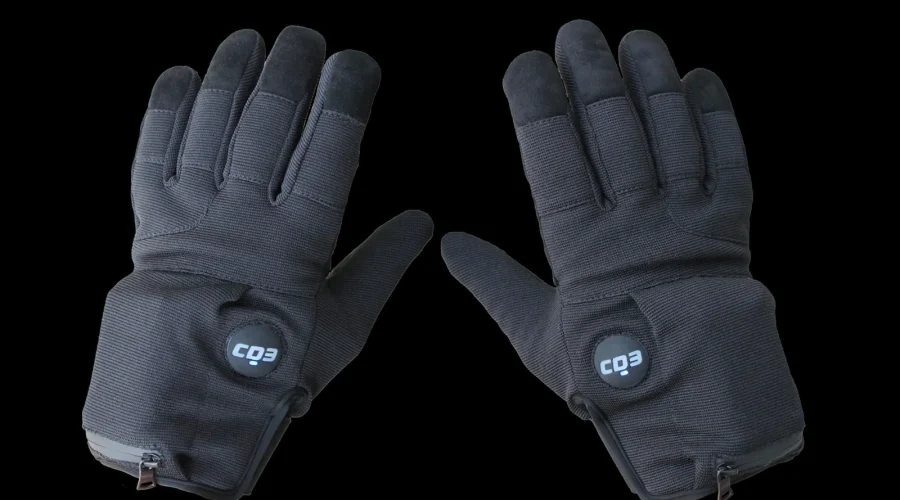
The proposed acquisition centers on the G.L.O.V.E. system, which stands for Generated Low Output Voltage Emitter. According to official DHS paperwork filed on Monday, these specialized gloves function as a “Conductive Distraction and De-escalation Device,” offering officers a non-lethal alternative for managing confrontational situations during immigration arrests and detentions.
Compliant Technologies, the manufacturer behind the G.L.O.V.E. system, describes the gloves as producing an electric shock comparable to traditional Taser devices. Social media posts from the company highlight the gloves’ ability to deliver controlled electrical impulses while minimizing the risk of serious injury. The technology represents a middle ground between verbal commands and more aggressive force options available to law enforcement personnel.
Technology Specifications and Operational Requirements
The user manual available on Compliant Technologies’ website provides detailed guidance on proper glove operation. Officers must activate the device with a simple button press, and the system requires direct contact with a subject’s skin to function effectively. The manual explicitly notes that the technology loses effectiveness when used through clothing or hair, and may be further degraded when applied to individuals or animals with particularly dense hair coverage.
These operational limitations have important implications for field deployment. Officers must be trained to position the gloves correctly and ensure adequate skin contact during use. The requirement for direct contact means the gloves may be less effective in cold weather conditions or when subjects are wearing heavy outer garments.
Record-Breaking Enforcement Activity Drives Need for New Tools
The timing of this procurement initiative coincides with unprecedented levels of immigration enforcement activity. ICE arrests reached record highs during July, reflecting a quiet but significant ramp-up in the agency’s operational tempo. This surge in enforcement activity has created immediate demand for additional tools and equipment to support field officers managing increased caseloads.
A DHS spokesperson emphasized the agency’s commitment to continuous assessment of officer needs, stating that ICE constantly evaluates the tools and equipment required for safe arrest and removal of criminal illegal aliens. The spokesperson noted that every technological decision undergoes careful review to ensure consistency with established law enforcement policies and standards.
ICE officers already receive extensive training in de-escalation tactics and regularly participate in ongoing use-of-force education programs. The electric shock gloves would complement this existing training framework rather than replace it, providing an additional option in the officers’ comprehensive toolkit for managing various enforcement scenarios.
Body Camera Initiative Addresses Accountability Concerns
The glove procurement proposal arrives alongside a broader agency initiative to enhance transparency through technology. ICE plans to deploy body-worn cameras to all agents by the end of August, representing a significant step toward greater accountability in immigration enforcement operations.
David Venturella, ICE’s acting director, issued a statement over the weekend reaffirming the agency’s commitment to transparency and accountability. This commitment comes after considerable scrutiny following two recent fatal shootings in which the involved agents were not wearing body-worn cameras. The controversy has intensified despite substantial funding increases the agency received through the One Big Beautiful Bill legislation.
If approved, ICE would become the first federal agency to adopt this relatively new glove technology on a large scale. While the electric shock gloves have already seen limited use in some local jails and police departments, their federal deployment would represent a significant expansion of the technology’s application in law enforcement.
Civil Liberties Groups Express Concerns About Expanded Power
The American Civil Liberties Union has voiced strong opposition to the proposed glove acquisition. In a formal statement, the civil liberties organization characterized the technology as “giving immigration agents a concealed means of delivering terrible pain,” arguing that the gloves could lead to increased harm to the public while simultaneously reducing accountability for officer actions.
The ACLU’s concerns reflect broader debates about the balance between officer safety and civil liberties in immigration enforcement. Critics argue that concealed pain-delivery devices may be used more readily than visible alternatives, potentially leading to disproportionate force in certain situations.
Compliant Technologies declined to comment on the DHS purchase when contacted for this report, maintaining its standard position of not discussing specific government contracts until formal announcements are made.
Looking Ahead: Implementation and Long-Term Implications
The combined rollout of electric shock gloves and body-worn cameras represents a dual approach to modernizing ICE operations. While the gloves provide officers with enhanced de-escalation capabilities, the body cameras offer independent documentation of enforcement encounters, potentially addressing some of the accountability concerns raised by civil liberties advocates.
The success of this initiative will likely depend on comprehensive training programs, clear operational guidelines, and transparent reporting mechanisms. As ICE continues to expand its technological capabilities, the agency faces the ongoing challenge of balancing effective enforcement with public trust and constitutional protections.
Olivia Rubin contributed to this report from ABC News, providing additional context on the agency’s evolving approach to immigration enforcement technology and officer safety.
Related Reading
Frequently Asked Questions
What is DHS seeks to purchase electric shock?
DHS seeks to purchase electric shock is the main topic of this guide. The article explains the context, practical details, and next steps readers should understand.
Why does DHS seeks to purchase electric shock matter?
DHS seeks to purchase electric shock matters because readers are looking for a useful answer, not just a short summary. Good content should match search intent and help them decide what to do next.