Johnson Says Congress Will Transmit Housing Bill to Trump, But Timing Uncertain
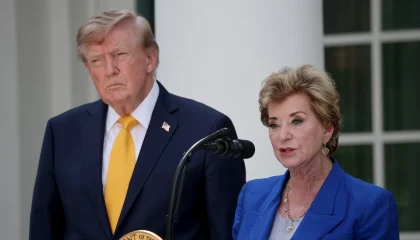
Cyberzenhub.com – On Thursday, House Speaker Mike Johnson announced that Congress will send the bipartisan housing bill to President Donald Trump for his signature following a lengthy discussion at the White House. The meeting, which lasted over three hours, was described as “very productive” by Johnson, though he did not specify when the bill would reach the president’s desk. This development follows Trump’s decision to delay the signing ceremony for the legislation until the SAVE America Act is passed by Congress. The SAVE Act, Trump’s key legislation focused on election and voting reforms, remains a contentious issue within the Republican Party.
Alignment and Process in a Polarized Climate
Johnson emphasized alignment between himself and Trump, stating, “We’re on exactly the same page.” However, the speaker acknowledged the ongoing challenges in moving forward with legislative priorities. “Congress has work to do, and that’s what we’re going to do,” he said, highlighting the urgency of the housing bill’s passage. The bill, which has already cleared both the Senate and House with veto-proof majorities, is now set to enter the final stage of approval under Trump’s administration.
Once the bill reaches the White House, a 10-day window will open for Trump to either sign it into law or issue a veto. If he does not act within this period, the legislation will automatically become law without his signature. Johnson expressed confidence that the president would ultimately approve the measure, though he stopped short of confirming the exact timeline. “We’re happy to move forward with the America First agenda,” he added, underscoring the importance of bipartisanship in a politically divided Congress.
“You know, this is the process in an era with small margins, but we’ll get the job done. We always do.”
SAVE America Act as a Condition for Approval
The delay in signing the housing bill is tied to Trump’s insistence on the SAVE America Act as a prerequisite. The act, which aims to modernize voting procedures, includes provisions such as requiring photo identification at polling places and mandating proof of citizenship for voter registration. These measures have drawn criticism from Democrats, who argue they could disenfranchise voters without access to necessary documents. Despite this, Trump has remained steadfast in his demand for the act’s passage, emphasizing its role in safeguarding election integrity.
Trump’s approach has created a standoff with House Republicans, as a small group of GOP hardliners have vowed to block other legislation until the SAVE Act is approved. This strategy has stalled several votes this week, reflecting the broader tensions within the party. In a social media post following his meeting with Johnson, Trump called on House Republicans to “unify” and resume voting. “House Republicans should unify, and stop voting down ‘Rules’ or threatening to do so,” he wrote, accusing opponents of undermining the legislative process through grandstanding.
“Giving power to the Radical Left Dumocrats in the House to control what goes up for a Vote will make our outcomes worse, not better.”
Legislative Strategy and Political Dynamics
Johnson’s comments come as part of a broader effort to navigate the current legislative landscape. He highlighted the need for cooperation, stating, “We got to be able to move forward on legislation and continue the America First agenda.” The speaker’s remarks reflect the delicate balance required to advance bills in a Congress where margins are tight. Meanwhile, Trump’s insistence on the SAVE Act has forced lawmakers into a difficult position, as they must weigh the benefits of bipartisan achievements against the president’s demands.
The SAVE America Act’s passage remains a pivotal goal for Trump, who has leveraged it as a leverage point to secure his legislative priorities. While he has urged Senate Republicans to eliminate or modify the filibuster to expedite the bill, Majority Leader John Thune has indicated that the party lacks the necessary votes for such a move. This divide within the GOP has created a stalemate, with some members prioritizing the SAVE Act and others focusing on the housing legislation.
Context and Broader Implications
The housing bill’s bipartisan support underscores its broad appeal, as it addresses critical issues such as affordable housing and economic stability. However, its transmission to Trump now hinges on the outcome of the SAVE Act, which has become a symbolic battleground for the party’s ideological split. Democrats have criticized the act as an attempt to restrict voting access, while Republicans see it as essential to preventing fraud and ensuring fair elections.
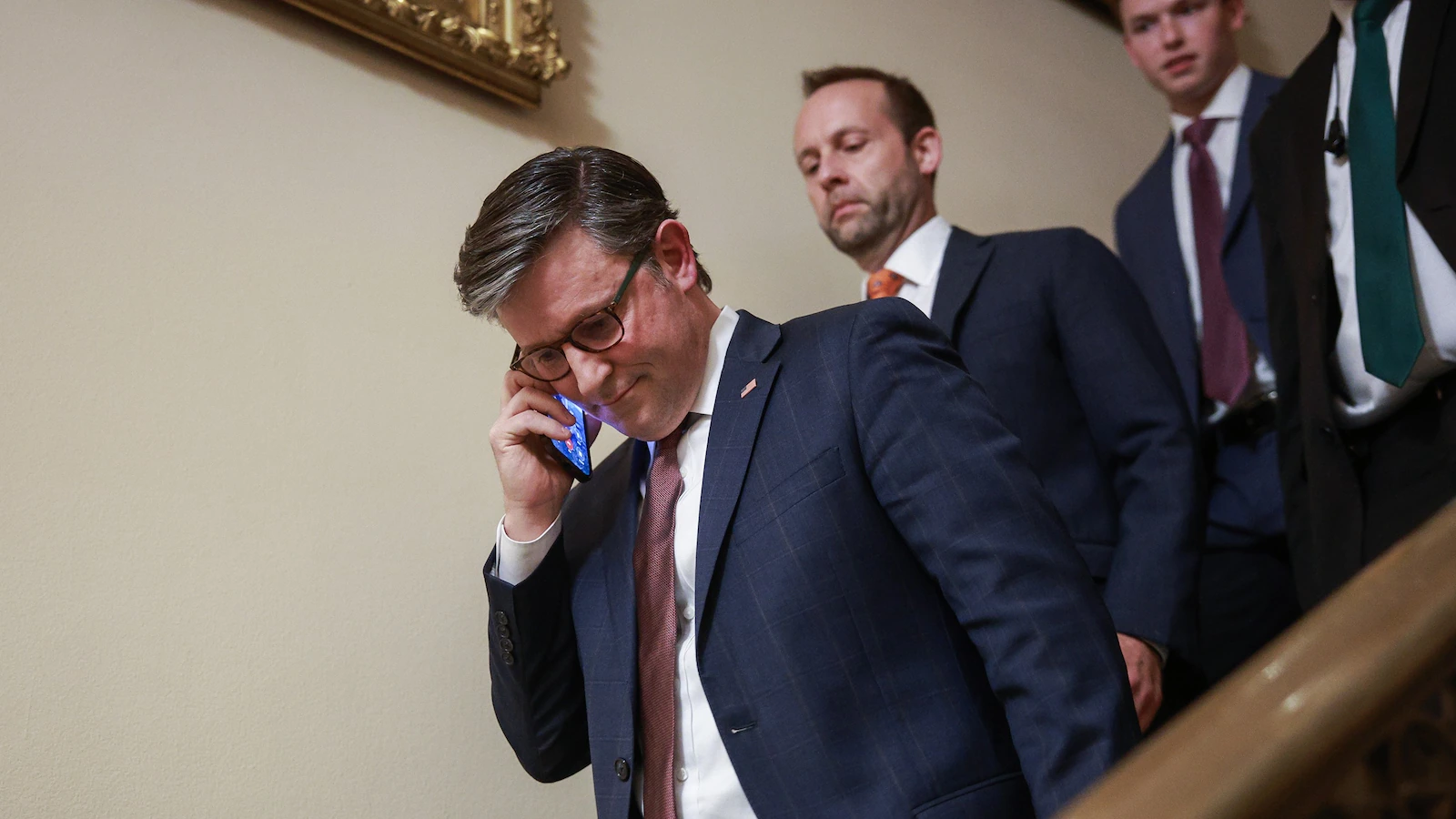
Johnson’s meeting with Trump at the White House on June 25, 2026, marked a significant step in the process. The session, which included a phone call at the U.S. Capitol afterward, highlighted the ongoing dialogue between the two leaders. “He—he is—wants to ensure that we stop any blockade in the House,” Johnson said, describing the president’s determination to break the deadlock. The speaker’s remarks suggest that the housing bill’s fate is now intertwined with the SAVE Act’s progress, creating a complex interplay of priorities.
As the House prepares for its next session, the focus remains on resolving the impasse over the SAVE America Act. The president’s actions have not only influenced the timing of the housing bill but also set the stage for further negotiations. With the 10-day clock looming, lawmakers are under pressure to ensure both bills move forward, reflecting the high stakes of the current legislative season. The outcome of these efforts will shape the policy landscape and test the resilience of bipartisan cooperation in an era of heightened polarization.
Trump’s decision to delay the housing bill’s signing has drawn mixed reactions. Some view it as a strategic move to align with his base, while others argue it risks undermining the momentum of bipartisan efforts. The SAVE America Act, meanwhile, continues to serve as a focal point for debates over voting rights and election reform. As the political calendar progresses, the House’s ability to navigate these challenges will determine the success of its legislative agenda.
The housing bill’s passage is a testament to the House’s capacity to achieve consensus despite internal divisions. Its bipartisan nature contrasts with the more partisan nature of the SAVE Act, which has become a litmus test for Republican unity. Johnson’s comments, though brief, signal a commitment to pushing forward with key initiatives while addressing the president’s demands. The next steps will depend on how quickly the SAVE Act can secure the necessary support, as well as the willingness of both parties to compromise in the face of political pressures.
With the House expected to be in session next week, the focus will shift to the SAVE America Act and its potential impact on the legislative calendar. The interplay between the two bills highlights the intricate dance of compromise and leverage in the current political environment. As lawmakers work to resolve the impasse, the outcome will have far-reaching implications for the nation’s housing policies and electoral framework.