Supreme Court Greenlights End of TPS for Haitians and Syrians, Sparking Concern Over Mass Displacement
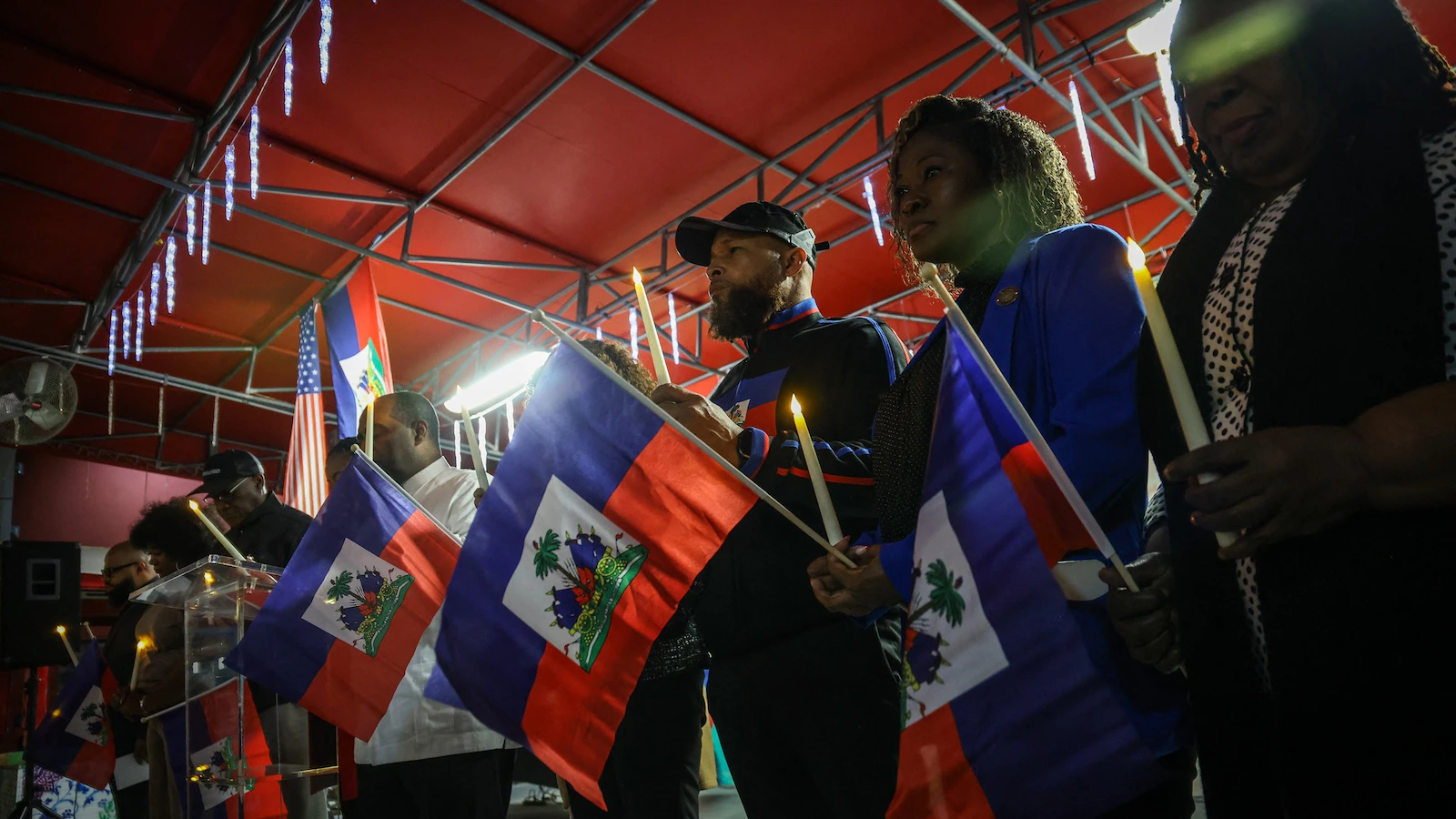
Cyberzenhub.com – On Thursday, the U.S. Supreme Court delivered a landmark decision allowing the Trump administration to revoke temporary protected status (TPS) for approximately 1.3 million Haitians and Syrians. The ruling, which was split 6-3, affirmed that the Department of Homeland Security (DHS) holds significant authority to determine the continuation or termination of TPS designations, with limited judicial intervention. Advocacy groups immediately raised alarms, warning that the decision could lead to the displacement of thousands of immigrants who have built lives in the United States, potentially resulting in severe humanitarian consequences.
Temporary Protected Status, a provision under the Immigration and Nationality Act, grants individuals from countries facing crises—such as war, natural disasters, or extraordinary conditions—a temporary legal pathway to remain and work in the U.S. without fear of deportation. The majority opinion, authored by Justice Samuel Alito, emphasized that the TPS statute leaves courts with minimal power to question the DHS’s rationale for ending protections. “The TPS statute plainly bars consideration of respondents’ non-constitutional claims,” Alito wrote, arguing that the law explicitly permits “no judicial review of any determination … with respect to the … termination of a TPS designation.”
Legal Justification and Broader Implications
The decision centers on the legality of the Trump administration’s move to end TPS for Haitians and Syrians, but its implications extend beyond these two groups. Legal experts noted that the ruling effectively grants the administration the freedom to terminate similar designations for other nations, such as the 13 countries already affected by past actions. This has raised concerns that the policy could become a tool for expelling immigrants under the guise of temporary relief, despite the prolonged nature of many protections.
Justice Alito’s majority opinion highlighted the federal government’s broad discretion, stating that the TPS program was intended to provide temporary respite to immigrants from countries in turmoil. However, critics argue that this interpretation downplays the long-term consequences for those who have relied on TPS for years, often becoming permanent residents or even citizens. The ruling has been described as a “victory for the rule of law,” according to James Percival, the General Counsel for the DHS, who noted that the program’s designation as “temporary” should not be confused with granting permanent amnesty.
Humanitarian Fallout and Congressional Response
Attorneys representing Haitian plaintiffs warned that the decision could lead to thousands of deaths. “This ruling will directly result in thousands of innocent people dying violent, needless deaths,” they stated. The group argued that TPS holders, many of whom fled their homeland seeking safety, now face uncertainty and potential return to perilous conditions. “It’s a very sad day, not only for Haitian TPS holders but for anyone who believes, as we do, that immigrants are one of America’s greatest strengths,” said Geoffrey Pipoly and Andrew Tauber, adding that Congress now bears the responsibility to act swiftly on pending legislation to extend the protections.
Despite the urgency expressed by advocates, it remains unclear whether Congress will take up an extension of TPS. President Trump, a vocal critic of the program, has consistently called for its termination. His administration’s actions have been seen as prioritizing strict immigration enforcement over humanitarian considerations. The decision has also reignited debates about the role of race in immigration policy, with the court’s liberal justices criticizing the lack of judicial oversight.
Racial Tropes and Judicial Dismissal
Justice Kagan, in a dissenting opinion, accused the majority of ignoring “racially inflected” statements made by President Trump during the 2024 presidential race. These comments, which included baseless claims that Haitians eat dogs and cats, were cited as evidence of systemic bias in the decision to revoke TPS. “The references—of filth, disease, and primitiveness—are shot through with racial stereotypes and tropes,” Kagan wrote, arguing that the majority’s dismissal of such claims undermines the court’s role in safeguarding constitutional rights.
The liberal justices contended that the TPS statute does permit judicial review of the procedures followed by the DHS when terminating designations. They pointed out that plaintiffs allege the agency failed to adhere to legally required steps, such as providing adequate notice or evidence of continued safety. This critique underscores a broader tension between executive authority and judicial accountability, with opponents of the ruling calling for a more rigorous examination of the DHS’s decisions.
Legacy of the Ruling and Future Challenges
The Supreme Court’s ruling has significant ramifications for the future of immigration policy. By validating the Trump administration’s approach, it sets a precedent that could enable similar actions in the coming years. Immigration advocates, however, argue that the decision risks creating a precedent of short-sightedness, where temporary protections are rapidly converted into permanent solutions without due process.
As the debate continues, the issue of TPS remains a focal point for both supporters and critics. While the majority emphasized the necessity of executive discretion, the dissent highlighted the potential for misuse. The ruling has also drawn attention to the broader impact on immigrant communities, with some fearing a shift toward more restrictive policies. As the administration moves forward with implementing the decision, the focus will now turn to how quickly Congress can respond to prevent widespread displacement.
The decision comes amid a backdrop of growing political and social tensions over immigration. With the Supreme Court’s endorsement of the Trump administration’s approach, the path for ending TPS for other nations appears increasingly clear. Yet, the human cost of such actions remains a central concern, particularly for those who have called the United States their home. As the legal battle over TPS continues, the voices of those directly affected will play a crucial role in shaping the future of the program.
Related stories from the Supreme Court’s docket include ongoing reviews of Trump’s cancellation of TPS for other groups. The White House, too, has remained unfazed by the administration’s past remarks, such as its reference to “s—hole countries” during the 2024 election. These comments, though controversial, are seen by some as reinforcing the narrative that TPS designations are temporary and subject to political whim. As the country grapples with the implications of this ruling, the balance between national security and immigrant rights will remain a contentious issue.
With the legal framework now in place, the focus shifts to implementation. The DHS is expected to move swiftly to terminate TPS for Haitians and Syrians, leaving families and individuals to navigate the challenges of repatriation. Advocacy groups are urging lawmakers to act, emphasizing the need for legislative intervention to protect those who have contributed to the American economy and society. The outcome of this ruling will not only affect the immediate futures of thousands but also set a precedent that could influence immigration policy for years to come.