Judge Orders Trump Administration to Halt Taxpayer-Funded TV Ads
Cyberzenhub.com – A federal judge in New York issued an order requiring the Trump administration to cancel remaining television advertisements paid for with taxpayer money. The decision came as the administration said the promotional campaign was already close to ending.
U.S. District Judge Jennifer L. Rochon granted a two-week temporary restraining order requested by a coalition that included the nonpartisan watchdog group Common Cause. The plaintiffs contend the commercials unlawfully used public funds for political promotion.
Court Blocks Further Ad Spending
The order requires the government to pull advertisements that were still scheduled to air, including spots planned for Sunday night. It also bars officials from entering, renewing, or expanding agreements to create, place, distribute, or broadcast the challenged ads during the two-week period.
“Defendants shall not enter into, renew, or expand any agreement authorizing the development, creation, dissemination, placement, or airing of the challenged advertisements” while the order is in effect.
The Justice Department had argued in a late Saturday filing that court action was unnecessary because the conduct challenged in the lawsuit would end the following day. The White House did not immediately respond to a request for comment after the ruling.
The Department of Homeland Security set aside $20 million in public money for the advertising effort. Senior DHS official Holly Mehringer said in a court declaration that the funds came from congressional appropriations available for several purposes, including commemorating border-security efforts and events.
Dispute Centers on Political Messaging
Those challenging the campaign argue that the spending may violate a federal ban on using congressional appropriations for publicity or propaganda. The case raises broader questions about the boundary between routine government communications and advertising that promotes an officeholder’s political interests.
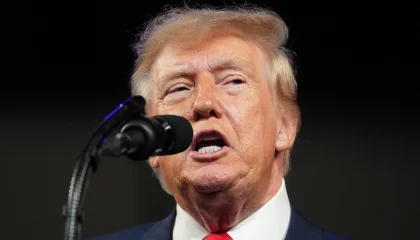
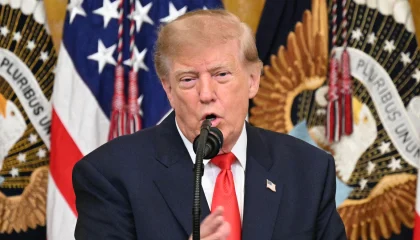
The television campaign began in late September and featured ads praising President Donald Trump while echoing themes from his political messaging ahead of the midterm elections. One commercial showed Trump discussing the threat of communism, while another reused an ad from his most recent presidential campaign.
A fifth commercial began airing Tuesday and focused on the Trump administration’s capture of Venezuelan leader Nicolás Maduro. The taxpayer-funded campaign drew criticism from advocacy organizations and lawmakers in both parties.
Democracy Forward, which represents the plaintiffs, said the ruling stopped more public money from being spent on what it described as political propaganda. The legal challenge is separate from a Democratic National Committee lawsuit involving the same advertising campaign.
Republicans Also Questioned the Cost
Criticism of the ads was not confined to Democrats. Senate Majority Leader John Thune, R-S.D., said the commercials should not be paid for with taxpayer dollars.
“It shouldn’t be paid for with taxpayer dollars,” Thune told reporters.
Trump said he would begin paying for the advertisements through a campaign account. However, a White House official said there were no immediate plans to reimburse the government for funds already spent on the television campaign.
The judge’s temporary order does not decide the full legal dispute. Instead, it preserves the existing situation while the court considers whether the taxpayer-funded ads violated federal spending restrictions.
Frequently Asked Questions
What does the temporary restraining order do?
The order requires the government to halt remaining scheduled advertisements and prevents new or expanded agreements involving the challenged campaign for two weeks.
Does the order settle the lawsuit?
No. The temporary restraining order is an early step that pauses the disputed activity while the court considers the broader claims.
Why are the advertisements being challenged?
The plaintiffs argue that taxpayer money was used for political promotion, potentially violating federal limits on publicity or propaganda funded through congressional appropriations.