Key Takeaways from Tuesday’s Primaries: Platner Wins, But Now Faces Months of More Scrutiny
Maine’s Democratic Primary Highlights a Controversial Candidate’s Triumph
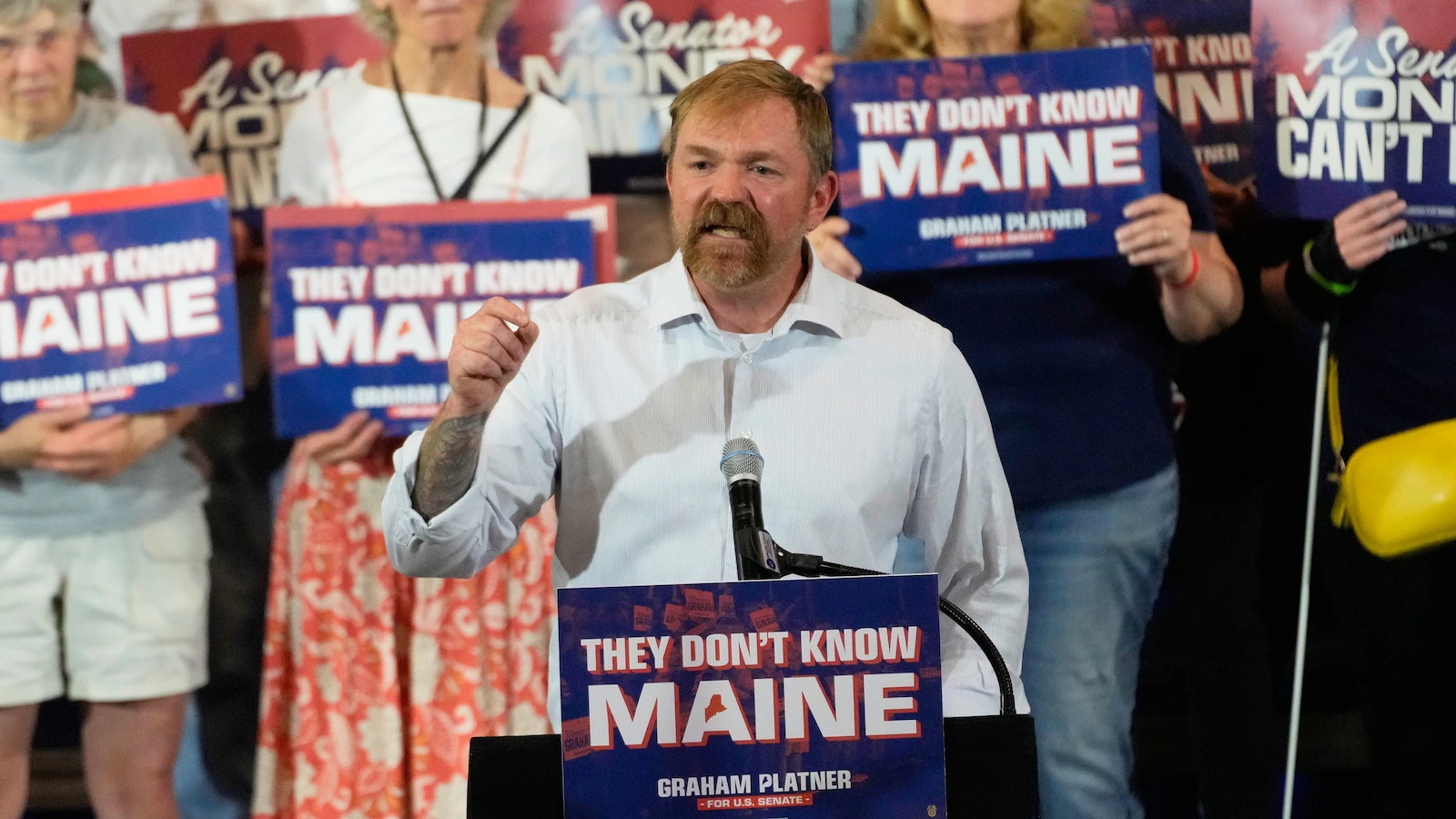
Cyberzenhub.com – The primaries held across four states on Tuesday revealed a significant Democratic triumph, underscored by the unexpected success of Graham Platner in Maine. Despite facing multiple controversies, Platner secured a decisive win, with early projections indicating nearly 75% of the vote. His victory sets the stage for a high-stakes Senate race in November, where he will challenge Republican Senator Susan Collins, a veteran politician with deep roots in the state. Platner, a former oyster farmer and military veteran, emerged as a unifying figure for Democrats. However, his campaign was shadowed by a late-breaking scandal involving allegations from former girlfriends, who claimed his behavior could be “intimidating and disturbing.” The New York Times reported these claims on Thursday, just days before the primary. Platner swiftly dismissed the accusations, asserting that he had been transparent with Mainers about his past and had no intention of withdrawing from the race. The support for Platner was evident in the enthusiastic turnout at election night watch parties. As he stood before supporters in Blue Hill, Maine, he highlighted his commitment to restoring public trust in government. “Mainers have rallied behind a vision to reclaim their power from corporations and billionaires,” he said, emphasizing the grassroots nature of his campaign. His win signals a shift toward candidates who resonate with working-class voters, even as Republicans prepare to target him during the general election.
Trump’s Endorsements Continue to Shape the Political Landscape
The impact of former President Donald Trump’s endorsements was equally notable in South Carolina, where his backing played a pivotal role in the Republican governor’s race. Trump had endorsed Lt. Gov. Pamela Evette, sidelining two prominent U.S. representatives—Nancy Mace and Ralph Norman—who had also sought the nomination. While Evette did not clinch the primary outright, her advancement to a June 23 runoff underscores the enduring influence of Trump’s brand in the GOP. Evette’s campaign was marked by a tight race, with the state’s runoff rules ensuring that the top two candidates would face off again. This structure, combined with the presence of multiple high-profile figures, made the outcome uncertain. Yet, Trump’s endorsement appeared to sway key voters, as ABC News projected Evette and state Attorney General Alan Wilson to proceed to the next round. The strategy of endorsing challengers against established figures has become a hallmark of Trump’s political operations, even in states where his presence is less direct.
Controversies and Campaign Strategy: A Test for Democrats
Platner’s victory, while celebrated within the Democratic party, has introduced new challenges for his campaign. Republicans are already positioning themselves to exploit his past, with the National Republican Senatorial Committee (NRSC) launching a digital ad as polls closed. The ad portrayed Platner as out-of-touch and scandal-ridden, contrasting him with Collins, who is framed as a reliable senator. This targeting reflects a broader strategy to undermine Democrats’ credibility. As the general election approaches, GOP candidates will likely focus on Platner’s controversies to highlight perceived contradictions between his campaign promises and his personal history. “We will win a Senate majority by defeating Republicans who enable Trump’s harmful agenda,” declared Senate Democratic Leader Chuck Schumer and Democratic Senatorial Campaign Committee Chair Kirsten Gillibrand in a joint statement. Their endorsement of Platner signals confidence in his ability to bridge the gap between party ideals and voter sentiment.
Broader Implications for the 2026 Election Cycle
The results of Tuesday’s primaries also underscore the evolving dynamics of the 2026 election cycle. In Maine, Platner’s success suggests that voters are willing to overlook personal controversies in favor of a candidate who aligns with progressive values. His win, however, comes with the risk of prolonged scrutiny, as Republicans aim to capitalize on any perceived weaknesses. Meanwhile, South Carolina’s race illustrates the effectiveness of Trump’s endorsement in rallying support for less-established candidates. Evette’s path to the runoff, despite losing the initial vote, demonstrates how his influence can reshape primary outcomes. This trend may have ripple effects across the country, as Trump’s backing continues to bolster GOP contenders in key races.
Democratic Unity and the Path to November
For Democrats, Platner’s victory represents a strategic win in a state where the party has historically struggled to gain traction. His campaign, built on a message of economic fairness and accountability, has resonated with Maine’s electorate. Yet, the road to November is fraught with challenges, as Republicans will likely leverage his controversies to question his fitness for office. Platner’s win also highlights the Democratic party’s willingness to embrace candidates with diverse backgrounds. His military service and connection to Maine’s working-class roots position him as a relatable figure in a state known for its strong conservative leanings. However, the scrutiny he now faces may test his ability to maintain momentum as the general election draws closer.
The broader implications of these results extend beyond individual races. In Maine, Platner’s success could signal a turning point for Democrats in the Senate, while in South Carolina, Trump’s endorsement reinforces his role as a unifying force for the Republican party. Both races will serve as critical battlegrounds in the November elections, where the outcomes may shape the political landscape for years to come.
“I have always believed that Mainers deserve a leader who speaks for them, not just the powerful few,” Platner said during his victory speech, addressing the diverse coalition that supported him. His words echo a growing sentiment among voters who seek candidates who reflect their values and experiences.
As the 2026 election season progresses, the balance of power in both chambers of Congress will hinge on how effectively Democrats can defend their nominees against Republican attacks. Platner’s case, in particular, will serve as a litmus test for the party’s ability to navigate scandals while maintaining public trust. Meanwhile, Trump’s continued influence in South Carolina suggests that his political brand remains a potent tool for GOP candidates, even as they face off against one another in the runoff.
The primaries also highlighted the importance of voter engagement in close races. In Maine, Janet Mills, the sitting governor, had suspended her campaign weeks earlier, leaving Platner with fewer obstacles to his nomination. Her decision to step aside may have inadvertently boosted Platner’s visibility, allowing him to consolidate support without direct competition.
For the Republican party, the strategic focus on Platner’s controversies reflects a calculated effort to disrupt Democratic unity. The NRSC’s ad, released in the final moments of the Maine primary, was designed to create doubt about Platner’s character. Such tactics are expected to intensify as the general election looms, with Republicans likely to frame his past as a reflection of broader Democratic values.
Despite these challenges, Platner’s win has provided Democrats with a candidate who combines relatability with a clear policy platform. His ability to attract large crowds and maintain a strong campaign presence has been a key factor in his success. As the party moves forward, the hope is that Platner’s personal story will serve as a counterpoint to the GOP’s narrative, positioning him as a champion of the people rather than a figure of scandal.
The outcomes of Tuesday’s primaries will have lasting effects on the 2026 elections. For Democrats, the victory in Maine is a sign of resilience, while for Republicans, it’s a reminder of the importance of strategic messaging. As both parties prepare for the November showdown, the focus will remain on crafting narratives that resonate with voters, even in the face of personal controversies and political challenges.