Wisconsin Primary Results Signal Centrist Resurgence Amid Progressive Challenges
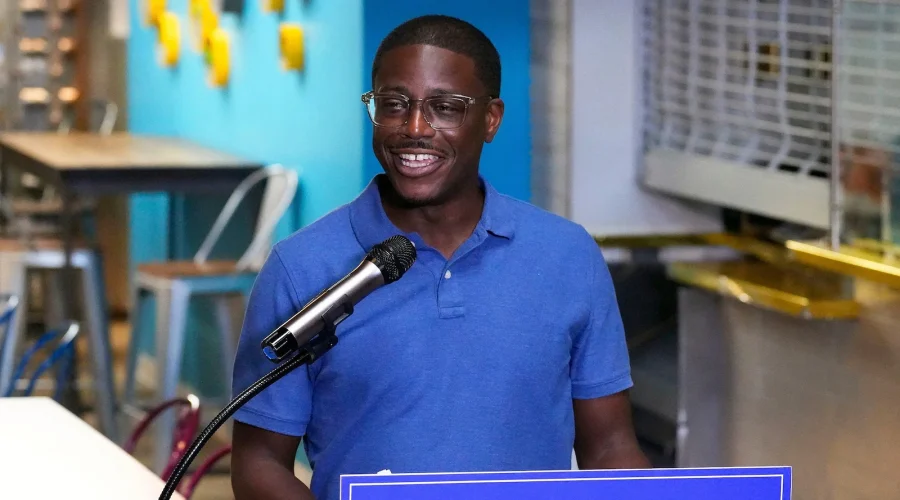
Cyberzenhub.com – Democratic voters in Wisconsin delivered a decisive message on Tuesday, choosing a moderate candidate over a progressive challenger in a gubernatorial contest that has become emblematic of the party’s internal tensions. David Crowley, the Milwaukee County Executive, secured a narrow victory over Francesca Hong, a democratic socialist state representative, in what many observers are calling a pivotal moment for the Democratic Party’s trajectory heading into the midterm elections.
The outcome carries particular weight given Wisconsin’s status as a crucial swing state. Crowley, who had temporarily withdrawn from the race in early July before re-entering on July 17, ultimately prevailed in a contest that tested whether the party’s base would embrace more radical policy positions or return to familiar centrist ground. His victory suggests that despite recent progressive successes in congressional primaries across Colorado, New York, and Michigan, many Democratic voters remain cautious about candidates perceived as too far left.
A Comeback Forged by Circumstance
Crowley’s path to victory was anything but straightforward. After struggling to gain momentum in the early stages of the race, he stepped aside on July 8, allowing the field to consolidate around Hong. However, when Lieutenant Governor Sara Rodriguez exited the contest just days later, Crowley quickly re-entered, capitalizing on a desire among many Democrats for a unifying moderate figure. His campaign received a significant boost when outgoing Governor Tony Evers threw his support behind Crowley in the final weeks.
The centrist candidate positioned himself as the most viable option to defeat Republican Representative Tom Tiffany in November. Tiffany, who has received President Donald Trump’s endorsement, represents a formidable challenge for any Democratic candidate. Crowley emphasized his executive experience managing Wisconsin’s largest county, arguing that practical governance skills would serve voters better than ideological purity.
Hong’s Progressive Platform Faces Scrutiny
Hong, who campaigned vigorously on a platform of transformative change, faced mounting questions about the electability of her positions. She advocated for universal childcare, the abolition of Immigration and Customs Enforcement, and a yearlong moratorium on AI data center construction. Perhaps most notably, she called for eventually eliminating police departments, though she clarified that she would not pursue this goal during her tenure as governor.
She argued voters were ready for “transformational change.”
Despite her efforts to build a broad coalition, Hong encountered headwinds from both sides of the political spectrum. Her past social media comments drew criticism, including remarks characterizing Thanksgiving as a “colonizer holiday.” While she attempted to distance herself somewhat from the national Democratic Socialists of America platform, she faced pushback from party members who viewed her positions as too extreme for a general election against Tiffany on Wisconsin’s purple terrain.
Notably, the movement’s most prominent figures—Vermont Senator Bernie Sanders and New York Representative Alexandria Ocasio-Cortez—declined to endorse Hong, a silence that many interpreted as a signal of caution about her electability.
South Carolina’s Republican Dilemma
Meanwhile, Republican voters in South Carolina provided their own glimpse into the party’s evolving dynamics. The special Senate primary to fill the seat of the late Senator Lindsey Graham produced inconclusive results, with a runoff scheduled for August 25 to determine who will appear on the November ballot.
The contest pits Senator Darline Graham, Trump’s endorsed choice and Lindsey Graham’s sister, against Representative Ralph Norman, a conservative stalwart and presidential ally who launched his campaign despite the president’s preference for Darline Graham. Darline Graham has pledged to honor her brother’s legacy while Norman represents the party’s more traditional conservative wing.
The South Carolina results, though not yet definitive, raise broader questions about the Republican Party’s future. Trump’s endorsement power remains substantial, yet Norman’s willingness to challenge the president’s pick suggests that not all Republicans feel compelled to follow the former commander-in-chief’s lead. The outcome will help clarify whether the party’s base prioritizes loyalty to Trump or adherence to conservative principles.
Implications for the Midterm Cycle
Both contests offer valuable insights into the political landscape heading into November. In Wisconsin, Crowley’s victory—should he win the general election—would make him the state’s first Black governor, adding another milestone to Wisconsin’s political history. More broadly, the centrist win demonstrates that while progressive ideas have gained traction in certain contexts, many Democratic voters remain willing to compromise on ideology in pursuit of electoral success.
The results also highlight the ongoing tension within both major parties between their establishment wings and more activist-oriented factions. As voters head to the polls in November, these primary outcomes will serve as barometers for understanding which direction each party is taking and whether their respective bases are satisfied with the candidates they have selected.
Related Reading
Frequently Asked Questions
What is Primaries key takeaways?
Primaries key takeaways is the main topic of this guide. The article explains the context, practical details, and next steps readers should understand.
Why does Primaries key takeaways matter?
Primaries key takeaways matters because readers are looking for a useful answer, not just a short summary. Good content should match search intent and help them decide what to do next.