
Senate advances legislation to withhold pay from senators during government shutdowns
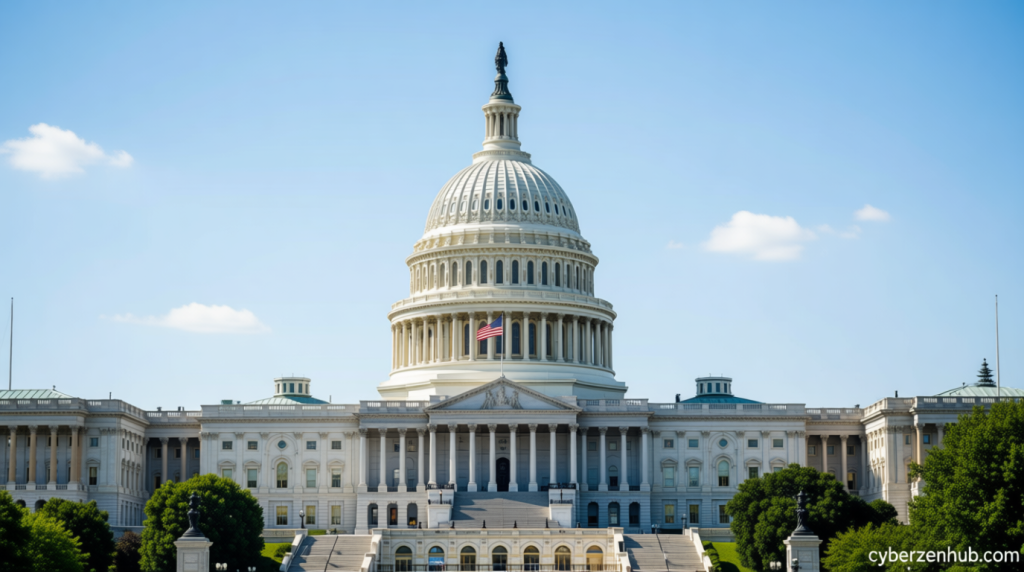
Senate Passes Bill to Temporarily Withhold Payments from Senators During Shutdowns
Senate advances legislation to withhold pay – On Wednesday, the U.S. Senate took a significant step toward addressing congressional compensation during federal government closures by approving a resolution with a unanimous 99-0 vote. The measure, which was introduced by Republican Senator John Kennedy of Louisiana, aims to ensure that senators’ salaries are suspended during any future shutdowns. Republican Senator Pete Ricketts abstained from voting on the resolution, leaving the final tally unchanged. This procedural vote marks a critical phase in the legislation’s journey toward becoming law, with lawmakers anticipating its final approval and implementation.
The proposed law would take effect after the November 2026 elections, instructing the Senate’s secretary to delay payments to its members until the government reopens following a shutdown. This mechanism would apply to all federal government shutdowns, regardless of their duration or cause, creating a financial incentive for lawmakers to expedite resolution of budget disputes. By tying their compensation to the operational status of the government, the legislation seeks to align the financial burden on legislators with that experienced by the public they represent.
While the resolution is set to advance, its fate in the House of Representatives remains uncertain. Multiple similar bills have already been introduced in the lower chamber, but none have yet secured the necessary majority to pass. Senate Majority Leader Chuck Schumer and other Democratic leaders have expressed support for the measure, emphasizing its potential to reduce the economic strain on ordinary Americans during prolonged shutdowns. However, the House, where partisan divisions often dominate, may face challenges in rallying sufficient backing for the proposal.
Call for Accountability Amid Growing Public Discontent
Senator John Kennedy framed the legislation as a demonstration of shared responsibility, stating,
“Take your brain with you, because this is about shared sacrifice. This is about putting our money where our mouth is.”
His remarks on the Senate floor underscored the broader sentiment that members of Congress should not enjoy continued pay while essential services are halted. The resolution builds on a longstanding debate over congressional pay, particularly following the record 75-day partial shutdown of the Department of Homeland Security earlier this year. During that period, thousands of workers, including Transportation Security Administration agents and Coast Guard personnel, were left without income, while lawmakers remained financially unaffected.
Senator Kennedy’s initiative follows the 43-day government shutdown in late 2025, which was the longest in modern history. That stalemate, driven by a deadlock over Affordable Care Act subsidies, resulted in the furlough of approximately 670,000 federal workers and the loss of jobs for 60,000 non-federal employees. Meanwhile, Congress continued to receive their full salaries, highlighting a stark contrast in the impact of shutdowns on different segments of the population. The new law would address this disparity by ensuring that senators’ paychecks are paused during any future closures, reflecting the financial hardships faced by everyday Americans.
Historical Context and Legislative Implications
The 2025 shutdown, which spanned nearly two months, brought the issue of congressional compensation to the forefront of public discourse. Critics argued that the lack of pay cuts for lawmakers during the crisis exacerbated perceptions of privilege and disconnected them from the real-world consequences of budget impasses. Senator Kennedy’s resolution is a direct response to these concerns, offering a symbolic yet meaningful measure to restore public trust. However, the legislation’s effectiveness will depend on its implementation and the willingness of lawmakers to enforce it during subsequent shutdowns.
Although the Senate’s unanimous support signals broad agreement, the House’s approach has been more fragmented. Several House bills have been proposed to achieve similar goals, but none have gained traction due to partisan disagreements. The Senate’s resolution, by contrast, is seen as a more streamlined and unified effort, potentially setting a precedent for how future shutdowns are managed. The law’s timeline, effective after the 2026 elections, also allows for a transition period to accommodate any administrative adjustments required by the Senate.
Public opinion has largely favored the measure, as evidenced by widespread media coverage and commentary. The resolution’s introduction coincided with heightened awareness of the economic toll of government shutdowns, particularly on vulnerable populations such as SNAP beneficiaries. During the 2025 crisis, over 30 million Americans relied on the Supplemental Nutrition Assistance Program, yet their benefits were suspended for several weeks. This forced many families to choose between groceries and other essential expenses, a hardship that legislators would avoid under the new law.
Political Motivations and Broader Impact
Senator Kennedy’s push for the legislation has been bolstered by the recent experience of the 75-day partial shutdown, which affected key agencies like the Department of Homeland Security. This event exposed the vulnerabilities of the federal workforce, with employees in critical roles such as border security and immigration enforcement losing income during a period of intense political gridlock. The Senate’s resolution, however, focuses on senators rather than agency workers, creating a tiered approach to accountability.
While the bill is designed to mitigate financial pain for the general public, it also serves as a strategic move to pressure Congress into quicker action. By linking their pay to the government’s operational status, senators are incentivized to resolve budget disagreements before a shutdown occurs. This could have a cascading effect on future legislative processes, as the prospect of delayed salaries might encourage bipartisan cooperation. However, some analysts argue that the measure may not be sufficient to prevent recurring shutdowns, especially if lawmakers prioritize political posturing over fiscal responsibility.
The law’s potential impact extends beyond immediate financial adjustments. It could reshape the political culture around budget negotiations, fostering a greater sense of urgency and shared sacrifice. For senators, the temporary suspension of pay would be a symbolic gesture, but for the public, it represents a tangible step toward reducing the economic fallout of government dysfunction. As the resolution moves closer to final passage, its implementation will be closely watched, with implications for how Congress balances its responsibilities with the needs of the American people.
Public officials and advocacy groups have praised the legislation as a necessary reform, while some lawmakers have raised concerns about its practicality. The debate over congressional pay has long been a contentious issue, with critics arguing that it is a prime example of political privilege. By introducing a mechanism to withhold payments during shutdowns, the Senate has taken a bold step to address this disparity. However, the measure’s success will hinge on its enforcement and the broader political climate in which it is applied. As the 2026 elections approach, the resolution may become a focal point in the ongoing discussion about congressional accountability and fiscal discipline.
In summary, the Senate’s unanimous approval of the pay-withholding resolution reflects a growing consensus on the need for legislative reform. While the House’s support remains tentative, the law’s framework offers a clear path to aligning the financial interests of lawmakers with those of the public. Its implementation after the November 2026 election will test its effectiveness, but the initial vote marks a pivotal moment in the effort to reduce the economic impact of government shutdowns. As the U.S. continues to grapple with political gridlock, such measures may become increasingly essential in bridging the gap between Congress and the citizens they serve.