Johnson Navigates New Hurdle: Securing Funds for Ongoing Iranian Conflict
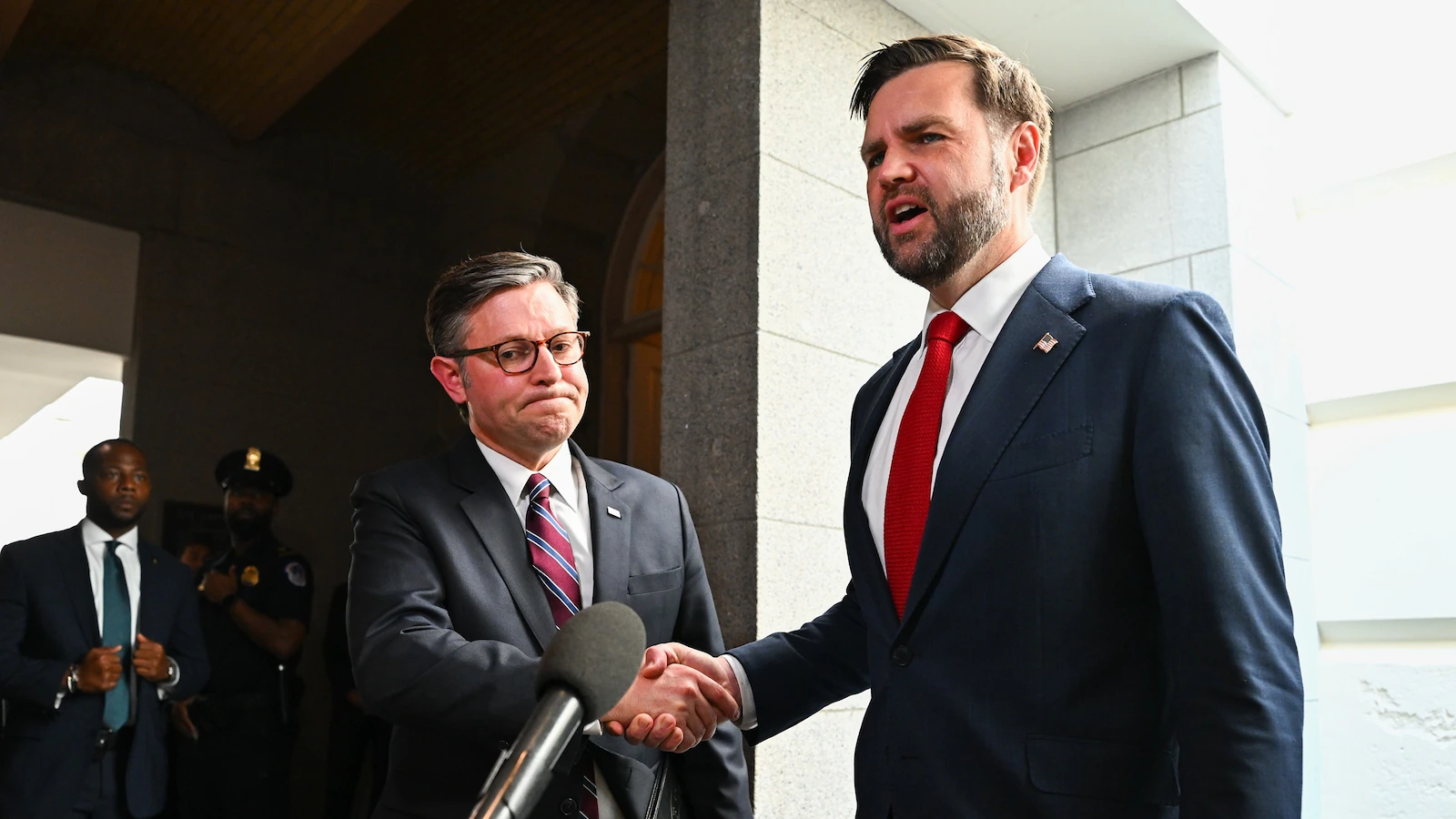
Cyberzenhub.com – As President Donald Trump moves to escalate military operations against Iran, Speaker Mike Johnson faces a critical legislative test. The Republican leader is working to push forward a funding measure that will support what has now become a 138-day conflict. This effort follows a procedural path designed to secure passage through Republican votes alone, given the strong Democratic resistance to the military engagement. With the House majority hanging by a thread and early signs of unease among GOP lawmakers, Reconciliation 3.0 represents both a potential triumph and a significant challenge for Johnson’s leadership before the November midterm elections.
Understanding the Reconciliation Process
On Thursday, the House Budget Committee moved the GOP budget resolution forward with a 20-14 vote along party lines. Speaker Johnson has labeled this measure the “SAVE and Protect Act,” and it clears the first major obstacle in what remains a lengthy legislative journey. The resolution now proceeds to the full House floor for consideration.
Budget reconciliation serves as a powerful legislative mechanism that allows Congress to enact partisan and sometimes contentious legislation concerning taxation, mandatory spending, and the debt ceiling. The key advantage lies in lowering the Senate passage threshold from 60 votes to a simple majority. This tool proves particularly valuable when a single party controls the House, Senate, and White House simultaneously—exactly the scenario Republicans currently occupy. Unlike traditional legislation, reconciliation does not demand bipartisan cooperation across party divisions.
The Funding Blueprint Takes Shape
House Republican leadership presented their budget framework on Wednesday, proposing a comprehensive $95 billion package. This allocation addresses multiple priorities including defense capabilities, intelligence operations, agricultural assistance, and elements of the elections overhaul known as the SAVE America Act. Under this plan, four separate committees will develop individual legislative components that eventually merge into a single consolidated bill.
The financial breakdown reveals up to $60 billion designated for military expenditures and as much as $13 billion earmarked for intelligence expenses. Together, these figures total $73 billion specifically intended to sustain operations in Iran as Pentagon officials warn of dwindling resources for ongoing missions. Additionally, the proposal contains an ambitious attempt to advance SAVE America Act provisions alongside $12 billion in agricultural support for farmers.
“I think that a no-offset plan is dead on arrival,” Republican Rep. Warren Davidson declared. “Frankly, three of us would kill it, and so I think that’s likely at this point.”
Notably, the blueprint does not mandate that committees identify offsets to counterbalance the costs of new expenditures. This absence of spending cuts or corresponding savings has generated concern among some lawmakers who prefer fiscal responsibility measures.
Leadership Faces Growing Pressure
With the House approaching its final legislative session before a five-week summer break, GOP leaders target a budget resolution vote for the coming week. Speaker Johnson can tolerate only three Republican defections if every member participates and remains present before his majority collapses entirely.
Vice President JD Vance conducted closed-door discussions on Wednesday to build support for the emerging strategy. He expressed confidence that incorporating election integrity provisions would ease concerns within the Republican conference regarding the bill’s lack of pay-fors.
“What we’re doing with this legislation is getting SAVE America through, and of course, getting some critical support to our troops and to our farmers,” the vice president explained to reporters following the meeting. “We decided to do this because we thought this was the best vehicle to accomplish those three things.”
Despite Vance’s outreach, several holdouts remain unconvinced. The outcome will ultimately determine whether this reconciliation effort strengthens Republican unity or exposes vulnerabilities within the party’s ranks as voters head to the polls this fall.