Supreme Court Urged to Halt White House Ballroom Construction Pause Amid Security Claims
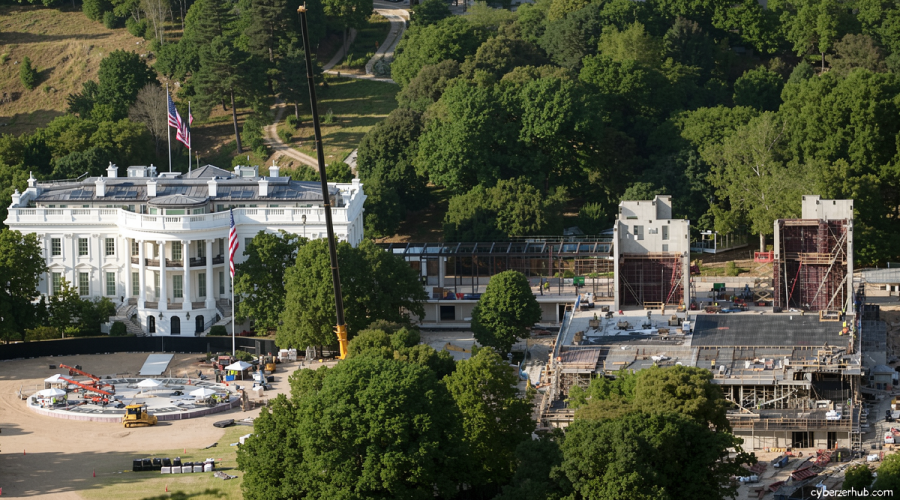
Cyberzenhub.com – The Trump administration has filed an urgent request with the Supreme Court, seeking permission to proceed with building the presidential ballroom while legal challenges continue. This appeal comes after a federal district court issued an injunction that temporarily suspended major construction activities at the White House East Wing and its associated ballroom facility.
On Friday, administration officials petitioned the nation’s highest court for an emergency stay of the injunction. Such a stay would permit substantial above-ground construction to resume while the underlying legal questions regarding the project’s authorization are resolved. The district court’s order, which is scheduled to become effective on August 21, would continue to permit work occurring below ground level and any additional measures deemed essential for protecting national security interests and ensuring the president’s personal safety.
Legal Arguments and Security Concerns
Solicitor General John Sauer characterized the lower court’s decision as both extraordinary and unlawful in his filing. He argued that the injunction creates unnecessary risk for the president and his family while simultaneously displacing the collective judgment of the country’s leading military, intelligence, and law enforcement authorities.
“If allowed to go into effect, the injunction would wrongfully install a single district judge as sole arbiter of what further construction is ‘strictly necessary’ to protect the safety of the President, his family, staff members, and visitors to the White House, including foreign dignitaries, and presidents and prime ministers of other countries,” Sauer wrote in his appeal.
The administration’s legal team emphasized that halting construction poses a direct threat to presidential security. In his petition to the justices, Sauer referenced six recent assassination attempts against the president, including a notable incident involving a missile threat directed at Air Force One on July 8. He further argued that the president holds a unique constitutional position that grants broad renovation authority.
“The President of the United States of America is not a tenant, but rather the sole, elected head of the Executive Branch, and Congress has authorized him to renovate, secure, and protect the White House and its grounds, as other Presidents have been allowed to do, without exception,” he stated.
Historical Context and Legal Precedent
The district court’s ruling concluded that President Trump does not possess independent authority to significantly alter the White House without obtaining congressional approval. A divided federal appeals court affirmed this interpretation earlier in the month, setting the stage for the Supreme Court’s potential intervention.
The government maintains confidence in its legal position, asserting that it is likely to prevail on appeal. Central to this argument is the claim that the National Trust for Historic Preservation lacks proper standing to initiate the lawsuit. Additionally, federal statutes have historically permitted presidents to conduct “care, maintenance, repair, alteration, refurbishment, and improvement” of the Executive Residence without requiring separate legislative authorization.
The Supreme Court is anticipated to request a formal response from the National Trust for Historic Preservation within the coming week before issuing a final determination on whether to grant the emergency stay. Solicitor General Sauer indicated that the administration intends to request expedited oral arguments and a swift decision on the substantive merits of the case.
Construction Status and Funding Questions
The administration’s filing provided additional insights into the current progress of the construction project. Government officials assert that the work remains on schedule and within budgetary parameters, claiming that no additional taxpayer funds are necessary to complete the undertaking.
Notably, the filing did not address the White House’s $1 billion funding request submitted to Congress. This substantial request, aimed at hardening the presidential residence against evolving threats and integrating new technologies, has been widely interpreted by lawmakers as being closely connected to the ballroom construction initiative.
Solicitor General Sauer reported in Friday’s filing that the project has reached 65 percent completion, with approximately $200 million already allocated toward the work. These figures suggest that significant resources have already been committed to the endeavor, supporting the administration’s characterization of the project as being beyond the point of no return.
Congressional Scrutiny Intensifies
Separate from the legal proceedings, Senate Democrats have formally requested that the Government Accountability Office conduct a comprehensive audit of the ballroom project and its associated funding mechanisms. The lawmakers raised multiple concerns in their petition, highlighting issues related to transparency, accountability, and proper stewardship of the national landmark.
“The scale of this project, the destruction of historic architecture, the opaque and unorthodox combination of public funds with private funding sources, and the absence of standard federal review processes raise serious concerns about transparency, accountability, and stewardship of this national landmark,” the Democratic senators wrote in their formal request.
The audit will likely examine whether the project adheres to established federal procurement procedures and whether the mix of public and private funding sources has been properly documented and justified. Lawmakers are particularly interested in understanding how the ballroom construction relates to broader White House security enhancements and whether the funding request represents a comprehensive approach to modernizing the presidential residence.
As the Supreme Court prepares to consider the administration’s emergency petition, the outcome could have significant implications for presidential renovation authority and the balance of power between the executive branch and Congress regarding federal property management. The court’s decision will determine whether construction can proceed uninterrupted or whether the project must await resolution of the underlying legal challenges through the full appellate process.
Related Reading
Frequently Asked Questions
What is Trump admin says White House ballroom?
Trump admin says White House ballroom is the main topic of this guide. The article explains the context, practical details, and next steps readers should understand.
Why does Trump admin says White House ballroom matter?
Trump admin says White House ballroom matters because readers are looking for a useful answer, not just a short summary. Good content should match search intent and help them decide what to do next.