Trump’s Endorsement Bolsters Collins’ Bid for Senate Seat in Georgia
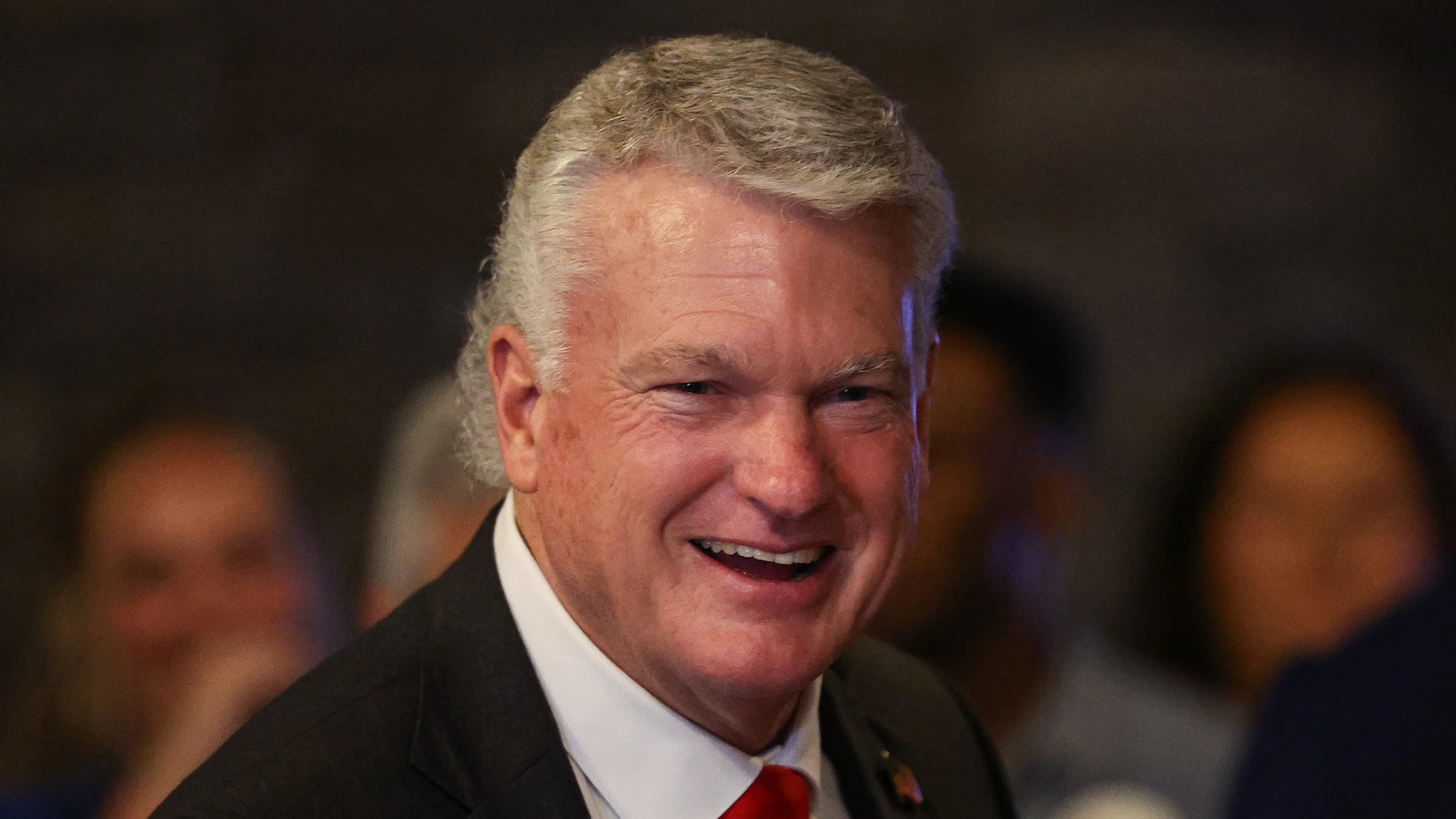
Cyberzenhub.com – On June 16, 2026, the Associated Press projected that Georgia’s Republican congressman Mike Collins would emerge victorious in the GOP Senate runoff, securing the nomination to challenge Democratic Senator Jon Ossoff in the November election. This outcome marked a significant moment in Georgia politics, as Collins, who had received the endorsement of President Donald Trump just days prior, capitalized on the former president’s support to gain momentum in a race widely regarded as one of the most pivotal contests in the 2026 midterm cycle.
As of approximately 59% of the anticipated votes were counted, Collins held a commanding 55% to 45% lead over his rival, Derek Dooley, a former football coach backed by outgoing Governor Brian Kemp. The endorsement from Trump, a critical factor in the race, placed Collins in direct opposition to Kemp, who had earlier supported Dooley. This dynamic underscored the deepening divide within Georgia’s Republican Party, with Collins representing the pro-Trump “MAGA” faction and Dooley aligning with the state’s more establishment-oriented wing.
The significance of this runoff cannot be overstated. For Democrats, retaining Ossoff’s seat is essential to maintaining their Senate majority, while Republicans view the Georgia race as a crucial opportunity to flip the Senate. The stakes are high, with both parties expected to deploy substantial resources to sway voters. Analysts anticipate a tightly contested campaign, marked by aggressive messaging and high-profile fundraising efforts.
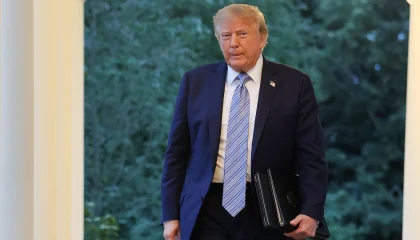
“Collins is a highly respected figure who has stood by me since the beginning,” President Trump stated in a social media post. “He is the ideal candidate to carry the ‘MAGA’ message into the fall.”
Trump’s late endorsement of Collins, made just two days before the primary, shifted the political landscape. This move came after Governor Brian Kemp, a popular and influential leader, had initially endorsed Dooley. Kemp’s decision to back Dooley, despite the former president’s growing influence in the state, highlighted the tension between the governor and Trump, who had previously sought to unseat Kemp in 2022 by endorsing a primary challenger.
Kemp, who is term-limited and set to leave office at the end of 2026, faces an uncertain future. His endorsement of Dooley in this race was seen as a strategic effort to test his political power, especially as Kemp considers a 2028 presidential run. Throughout the campaign, Kemp’s team heavily promoted Dooley, leveraging their state-wide networks to bolster the candidate’s visibility.
Dooley’s campaign, while relatively new to politics, has drawn attention for its outsider appeal. The former University of Tennessee football coach, whose father was a legendary Georgia coach, positioned himself as a fresh voice in the Senate race. However, his alignment with Kemp placed him at odds with Collins, who has long championed Trump’s agenda. Collins’ campaign has focused on reinforcing his loyalty to the former president, emphasizing his role as a steadfast defender of conservative values.
The 2020 presidential election remains a central theme in this race, as Trump has repeatedly criticized Dooley for acknowledging Biden’s victory. During a campaign event in February, Dooley had expressed support for Biden’s win in Georgia, prompting Trump to highlight this as a key point in his endorsement. “Dooley said I lost Georgia in 2020 when, in fact, the facts have now proven I won by a wide margin,” Trump wrote, underscoring his belief in the importance of the state’s electoral outcome.
Collins’ campaign has also faced scrutiny for its social media tactics. Last month, he was forced to remove a staffer after his official account mocked a Dooley campaign adviser. The post targeted the adviser’s wife, who had attempted suicide following accusations against former NBC anchor Matt Lauer. While Lauer has denied the allegations, claiming the encounter was consensual, Collins’ campaign has been criticized for its tone-deaf approach to the issue.
The runoff has become a microcosm of broader ideological battles within Georgia’s Republican Party. Collins, a firebrand with a vocal presence on social media, has drawn both admiration and controversy, while Dooley’s campaign has been characterized by its focus on grassroots outreach and traditional fundraising methods. The race has also highlighted the evolving influence of Trump in state-level politics, as his endorsement continues to shape the trajectory of key contests.
Georgia’s political landscape has been in flux for years, with Trump and Kemp’s rivalry serving as a defining factor. Their conflict escalated after Kemp refused to overturn the 2020 election results, a decision that led to Trump’s unsuccessful attempt to replace him in 2022. This history of discord has intensified in the current race, with each candidate’s campaign reflecting the broader ideological split.
As the November election approaches, the focus will likely shift to key issues such as healthcare, immigration, and economic policy. Both Collins and Ossoff are expected to highlight their positions on these topics, with Collins emphasizing his alignment with Trump’s policies and Ossoff leveraging his experience as a Senate veteran. The outcome of this race could have far-reaching implications for the national political scene, particularly in a year where control of the Senate is seen as a battleground for ideological dominance.
Collins’ victory in the runoff has been met with mixed reactions. While his base celebrates his alignment with Trump, some within the Republican Party have questioned whether his approach resonates with a broader electorate. The final results, though already projected, will be closely watched for signs of how voters are prioritizing loyalty to Trump over traditional party politics.
For now, the race remains a testament to the power of endorsements in shaping electoral outcomes. Trump’s late support for Collins not only energized his campaign but also redefined the GOP’s strategy in a state where the governor and senator are often viewed as allies. The runoff has set the stage for a high-stakes showdown, with both candidates vying for the attention of a divided and politically active electorate.
As Georgia voters prepare for the November election, the state’s political future hangs in the balance. The race between Collins and Ossoff is expected to be one of the most competitive Senate contests of the year, with its outcome potentially altering the course of the nation’s legislative agenda. The interplay between Trump’s influence and Kemp’s legacy will be a defining element of the campaign, making this race a critical test of both leaders’ political strength.