
FAA employee arrested after allegedly using work computer to threaten Trump
FAA Employee Arrested After Allegedly Using Work Computer to Threaten Trump
FAA employee arrested after allegedly using – On Monday, a Federal Aviation Administration (FAA) employee was taken into custody following an alleged threat to harm the president. The individual, identified as Dean DelleChiaie, 35, of Nashua, New Hampshire, is accused of using his government computer to research methods for acquiring a firearm within a federal facility. Prosecutors stated that DelleChiaie appeared in federal court on Tuesday for charges related to communicating an interstate threat, which could lead to significant legal consequences.
Incriminating Searches and Threat Research
The criminal complaint outlines several searches DelleChiaie conducted on his work computer, which prosecutors believe were directly tied to his intent to target President Donald John Trump. These searches included inquiries about previous assassination attempts against the president, the percentage of the population that supports removing him from office, and the phrase, “I am going to kill Donald John Trump,” according to the documents. Additionally, the suspect reportedly investigated ways to bring a weapon into a federal building, highlighting a potential plan to execute his threat.
“I, Dean DelleChiaie, am going neutralize/kill you — Donald John Trump — because you decided to kill kids — and say that it was War — when in reality — it is terrorism. God knows your actions and where you belong,”
The message, sent via personal email on April 21, was directed to the White House’s email address and served as the catalyst for the charges. The subject line, “Contact the President,” encapsulated the intent of the communication. This act, which crossed state lines, is a critical element of the legal case against DelleChiaie.
Secret Service Interview and Weapon Ownership
DelleChiaie’s alleged activities were brought to the attention of the Secret Service in February, where he reportedly confessed to conducting the searches on his government computer. The complaint indicates that during this meeting, he also disclosed ownership of three firearms, including a handgun stored in a safe at his residence. This detail suggests he may have had the means to carry out his threat, further complicating the case.
The Secret Service’s involvement underscores the seriousness of the situation, as they are responsible for presidential security. The agency’s interaction with DelleChiaie implies that his actions were not just a personal expression but a calculated effort to endanger the president. The discovery of his research on weapon procurement and prior attacks against Trump raises questions about his motive and planning.
Legal Implications and Potential Penalties
If found guilty, DelleChiaie faces a maximum of five years in prison and a $250,000 fine. The severity of the charges reflects the gravity of his alleged actions, particularly the use of a government device for personal threats. The case also highlights the importance of digital security within federal agencies, as the work computer became a key piece of evidence in linking him to the attack.
Prosecutors emphasized that the use of a government computer to research a threat against the president constitutes a breach of trust. This not only jeopardizes the safety of the administration but also underscores the potential for insider threats in high-profile organizations. The legal framework surrounding such cases allows for severe penalties, as the intent to cause harm is a central factor in determining guilt.
Context of the Threat
The complaint details how DelleChiaie’s actions were part of a broader pattern of behavior. His searches on the work computer included a mix of personal and political motivations, indicating a deliberate strategy. The phrase “neutralize/kill you” in the email suggests a direct and specific intent, while the reference to “killing kids” and labeling the conflict as “terrorism” instead of “war” points to a deeper ideological drive.
This case is not isolated. The Secret Service has been involved in multiple investigations related to threats against the president, including the recent incident at the White House Correspondents’ Association dinner. In that event, a suspect was reported to have descended 10 flights of stairs with a duffel bag, according to sources. While DelleChiaie’s actions differ in method, they share a common thread of targeting the president through planned and intentional means.
Broader Implications and Public Reaction
The arrest has sparked discussions about the balance between employee privacy and national security. Critics argue that using a work computer to research threats is a legitimate concern, especially in organizations like the FAA, which oversees critical infrastructure. Supporters of the charges, however, stress that the use of government resources for such purposes demonstrates a disregard for protocol and a potential risk to public safety.
Additionally, the case has drawn comparisons to other high-profile threats against the president. For instance, the legal proceedings against James Comey, who was charged with threatening Trump’s re-election, have been analyzed for their similarity in intent. While the circumstances of DelleChiaie’s case are unique, it reflects a trend of individuals using digital platforms to express their opposition to the administration.
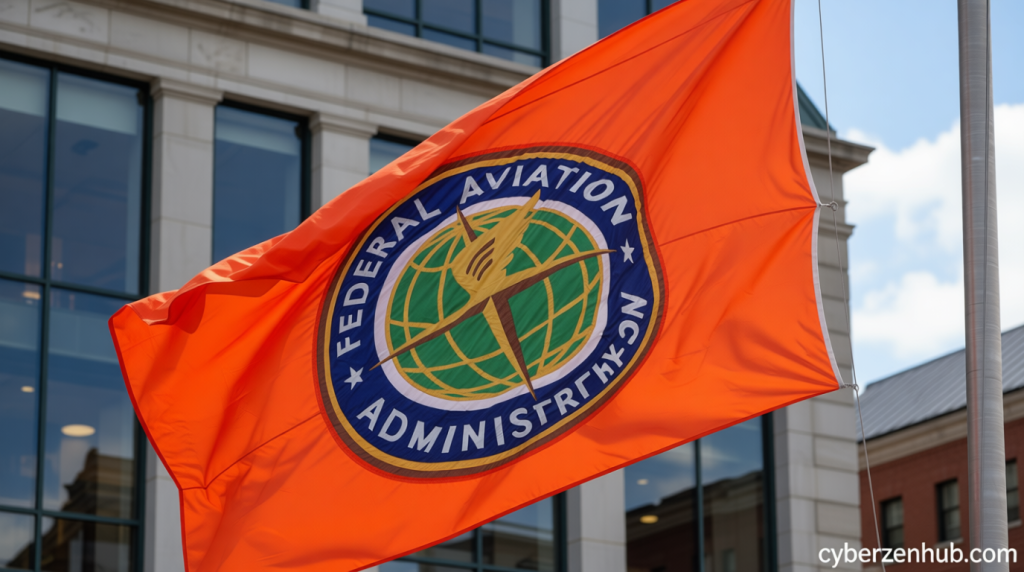
The FAA’s headquarters, located at the Orville Wright Federal Building in Washington, DC, has become a focal point for public interest. The presence of a flag at the building serves as a symbol of the agency’s role in national security, contrasting with the alleged actions of its employee. This juxtaposition highlights the dual nature of government work: a place of service and a potential site of vulnerability.
Related Stories and Ongoing Investigations
As the case unfolds, related stories have emerged, emphasizing the broader context of threats against political figures. For example, President Trump’s recent statements about guiding ships out of the Strait of Hormuz have been linked to his ongoing efforts to assert control over international affairs. Similarly, the critical condition of Rudy Giuliani, who remains hospitalized with pneumonia, has prompted speculation about his ability to influence the current political landscape.
The Secret Service continues to investigate potential risks to the president, including the recent incident at the WHCA dinner. Sources indicate that the suspect in that case had a history of carrying out threats, which has raised concerns about the frequency and nature of such incidents. DelleChiaie’s case, however, adds a new dimension to these efforts, as it involves an employee of a federal agency and the use of a work computer to plan a direct attack.
As the trial proceeds, attention will likely shift to the legal arguments surrounding DelleChiaie’s intent and the extent of his research. The potential for a lengthy prison sentence and substantial fine underscores the severity of the charges, while the public’s reaction will shape the narrative around his actions. Whether this case sets a precedent for similar threats or serves as a standalone example, it remains a significant moment in the ongoing discourse about security and individual rights in the federal workplace.