Federal Judge Blocks Trump’s $100,000 H-1B Visa Fee
Cyberzenhub.com – In a landmark ruling on Monday, U.S. District Judge Leo Sorokin invalidated the $100,000 fee introduced by the Trump administration for new H-1B visas, which are designed to bring skilled foreign workers into the country. The decision, spanning 42 pages, declared the policy unconstitutional, stating that the federal government had exceeded its authority by implementing the charge without congressional approval. This marked a significant setback for the executive branch’s efforts to reshape immigration regulations, particularly affecting industries reliant on temporary skilled labor.
The Legal Challenge
The judge’s ruling centered on the argument that the $100,000 payment was effectively a tax, which the executive branch lacked the power to impose. Sorokin emphasized that while the president holds broad discretion over immigration, this authority is not limitless. “The President enjoys no such ‘inherent’ powers here,” the judge wrote, underscoring the need for legislative backing. He further clarified that tribal governments possess unique taxing powers rooted in sovereignty, but the president does not. “A tribe’s power to tax does not derive from the Constitution or any federal statute; rather, it exists as an essential and unique feature of tribal sovereignty. Unlike a tribe, however, the President has no authority to levy a tax unless such a power is delegated by Congress through statute,” Sorokin asserted.
“The substance and application of the $100,000 payment reveal that it is a tax, regardless of what the payment is called,” Sorokin concluded in his decision.
The ruling came after a coalition of states filed a lawsuit in December, challenging the fee’s impact on public sectors. These states argued that the $100,000 cost, which far surpassed previous fees ranging from $960 to $7,595, would exacerbate staffing shortages in critical areas such as education and healthcare. They highlighted the reliance of institutions like school systems, universities, and public health facilities on foreign workers, particularly in fields requiring specialized skills.
Trump’s Policy and Industry Reaction
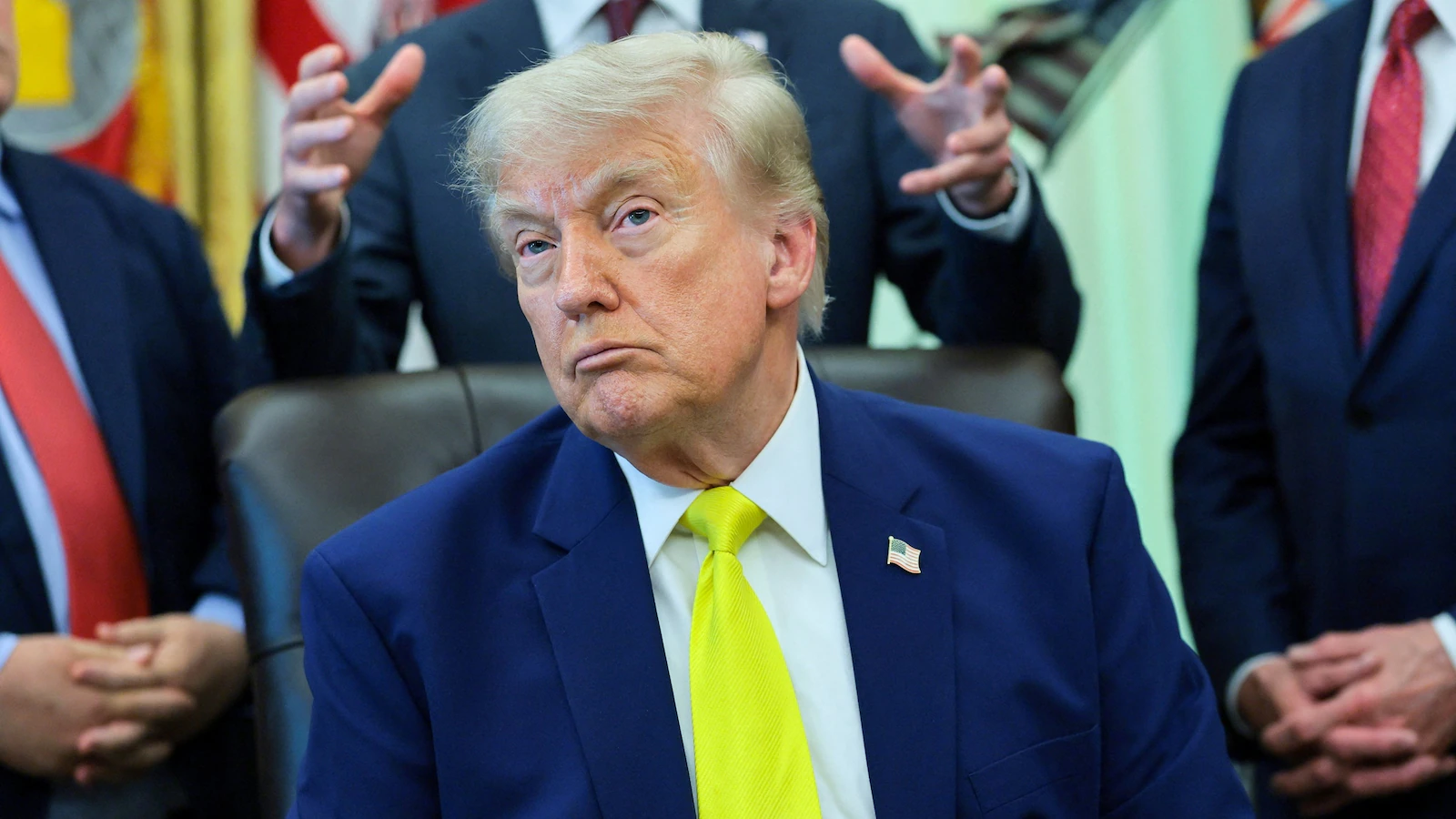
President Donald Trump signed the proclamation in September that introduced the $100,000 fee and mandated H-1B workers to pay it to enter the U.S. The policy was framed as a way to ensure that employers invest in their foreign employees, with Trump claiming it would benefit American workers by retaining high-value talent. “We’re going to be able to keep people in our country that are going to be very productive people, and in many cases these companies are going to pay a lot of money for that, and they’re very happy about it,” he stated at the time, emphasizing the economic rationale behind the measure.
The decision to impose the fee was met with mixed reactions. While some employers in the tech sector welcomed the additional cost as a way to offset the expenses of hiring foreign workers, others expressed concerns about its potential to deter hiring. Critics argued the fee could make it harder for companies to compete for talent, especially in industries already struggling with high labor costs. The ruling, however, provided a legal avenue for reversing this policy, which had already sparked debates about its long-term effects on the U.S. workforce.
Historical Context of the H-1B Program
The H-1B visa program, established under the 1990 Immigration Act, has long been a cornerstone of U.S. immigration policy, allowing companies to employ foreign workers in specialized fields. Initially designed to address labor shortages, the program has since become a key tool for industries such as technology, engineering, and healthcare. Sorokin’s decision revisited the program’s origins, noting that its purpose has remained centered on filling roles that domestic workers may not be able to occupy due to skill or qualification gaps.
Despite its utility, the H-1B program has faced scrutiny over the years. Critics have raised questions about whether it displaces American workers or allows companies to exploit lower wages. Trump’s $100,000 fee was intended to address these concerns by imposing a higher financial burden on employers. However, the judge’s ruling highlighted the tension between executive authority and legislative oversight, suggesting that such policies require explicit congressional approval to be valid.
Broader Implications for the Tech Economy
The policy’s reversal has reignited discussions about the role of H-1B visas in sustaining the U.S. tech economy. Many in the industry rely on these visas to access global talent, particularly in fields like computer science, engineering, and medical research. With the fee now blocked, companies may regain some flexibility in hiring, potentially easing concerns about the future of innovation and growth in these sectors. However, the decision also raises questions about the balance between attracting international talent and protecting domestic employment opportunities.
As the debate continues, the case serves as a reminder of the legal and political complexities surrounding immigration reforms. The ruling not only impacts the immediate future of H-1B visa applications but also sets a precedent for future policies. It underscores the importance of congressional involvement in shaping immigration frameworks, ensuring that executive actions align with legislative intent and public interest. For now, the $100,000 fee remains a symbol of the challenges faced by the Trump administration in its efforts to redefine the visa program’s purpose and scope.
Impact on Public Sector and Future Debates
The states’ lawsuit, which cited the policy’s adverse effects on public institutions, highlighted the broader consequences of the fee. By increasing the financial burden on employers, the measure could reduce the number of foreign workers willing to take positions in education, healthcare, and other critical sectors. This, in turn, could lead to staffing crises, particularly in regions where domestic labor markets are already tight. The judge’s decision to vacate the policy nationwide provides a reprieve for these institutions, allowing them to continue relying on skilled foreign workers without the added cost.
While the ruling blocks the fee, it does not end the discussion about H-1B visas. The administration’s approach has been criticized for its potential to limit access to international talent, which is vital for industries driving technological advancements. Advocates for the program argue that the visa system remains essential for fostering innovation and economic growth, while opponents stress the need for stricter oversight to prevent misuse. The case also opens the door for future legal challenges, as the policy’s intent and implementation continue to be scrutinized by lawmakers and industry leaders alike.
With the $100,000 fee no longer in effect, the focus shifts to whether alternative measures can be introduced to achieve the administration’s goals. The decision reflects the ongoing interplay between executive power and legislative authority, reminding policymakers of the need for careful consideration when implementing immigration reforms. As the U.S. tech economy navigates this new landscape, the role of H-1B visas in shaping its future remains a topic of intense debate and strategic importance.