Investigators looking into possible Iran water system hacks
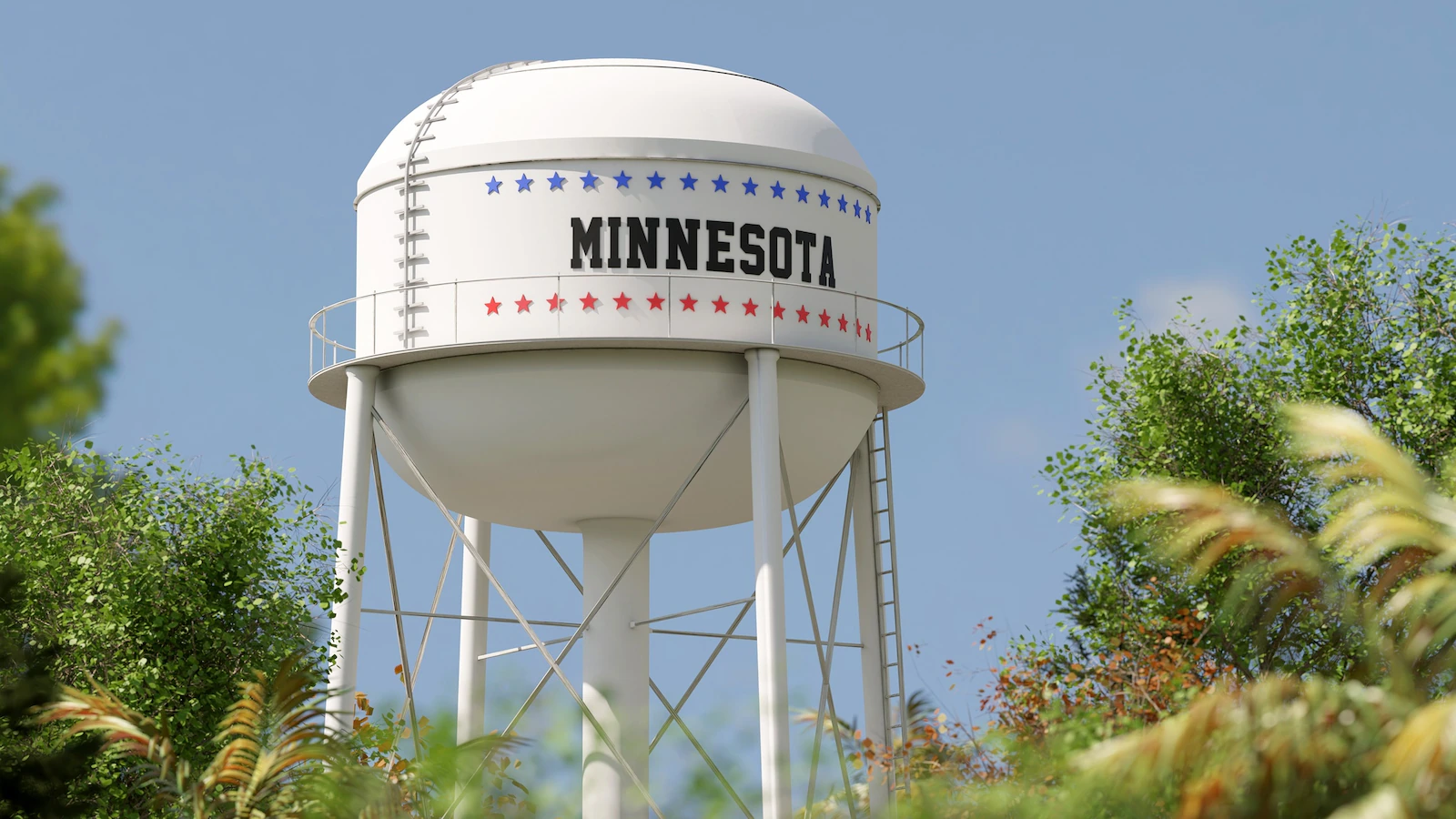
Cyberzenhub.com – Investigators looking into possible Iran connection to a series of coordinated cyberattacks on Minnesota’s water infrastructure have confirmed that federal and state authorities are actively examining whether Iranian hackers or Iran-linked actors were responsible for the incidents. According to multiple U.S. officials speaking with ABC News, the investigation is ongoing as experts gather forensic evidence from more than 30 water treatment plants across the state that experienced disruptions earlier this week. The officials emphasized that while preliminary findings point toward Iranian involvement, no formal determination has been made regarding the perpetrators.
The probe into potential Iranian connections was first reported Thursday by the New York Times, which highlighted the timing and pattern of the attacks as significant indicators. Minnesota IT Services (MNIT) has not yet released comprehensive details about the cyberattacks that occurred on Sunday and Monday, but the state agency confirmed that no requests have been made for residents to alter their drinking water usage. “The investigation remains active, and responders continue to assess affected systems,” MNIT stated in a Tuesday announcement. The Minnesota Department of Health continues to work directly with impacted water systems to ensure public health remains protected throughout the inquiry.
Broader context and federal response
The Minnesota water system hacks mirror a similar pattern of cyber intrusions carried out in other states by suspected Iran-linked actors, raising concerns about coordinated efforts against American critical infrastructure. The FBI confirmed in a statement that the agency is aware of the intrusions but has not yet assigned responsibility for the attacks. Meanwhile, the acting director of the Cybersecurity and Infrastructure Security Agency (CISA), Nick Andersen, urged state and local governments to strengthen their cybersecurity defenses against these types of threats.
“CISA is aware of multiple potential incidents affecting local water utilities and is coordinating with the EPA and other government and industry partners to understand the scope and provide any information or technical support to help critical infrastructure owners and operators protect their systems,” Andersen said in an official statement.
Investigators looking into possible Iran involvement are also examining whether these Minnesota attacks are connected to broader cyber campaigns targeting American water systems. The timing of the incidents, combined with the technical signatures left behind by the hackers, has led experts to draw parallels with previous intrusions attributed to Iranian state-sponsored groups. CISA’s coordination with the Environmental Protection Agency and other stakeholders represents a comprehensive approach to understanding the full extent of the threat.
As the investigation unfolds, officials are working to determine whether the attacks were aimed at disrupting water services or potentially altering chemical treatments within the systems. The lack of public health alerts so far suggests that the hackers may have focused on monitoring and data collection rather than causing immediate harm. However, investigators looking into possible Iran connections remain vigilant, recognizing that similar attacks in other regions have sometimes involved more than just surveillance.
What residents should know
For Minnesota residents, the immediate concern is whether their local water supply remains safe for consumption. Based on current information from MNIT and the Minnesota Department of Health, no changes to drinking water usage have been recommended. The state agency continues to monitor water quality parameters closely and has established direct communication channels with affected water utilities to address any emerging issues promptly.
Residents who have questions about their specific water system are encouraged to contact their local water utility directly. Many utilities have set up dedicated phone lines and online resources to provide updates as the investigation progresses. The Federal Bureau of Investigation and CISA have also indicated that they will release additional information as the forensic analysis becomes more detailed and conclusive.
Frequently Asked Questions
Are Minnesota’s water systems safe to drink from? Yes, based on current assessments by the Minnesota Department of Health and MNIT, no changes to drinking water usage have been recommended for residents.
How many water plants were affected by the cyberattacks? More than 30 water treatment plants across Minnesota experienced coordinated cyber intrusions on Sunday and Monday.
What is the connection to Iran? Investigators looking into possible Iran involvement are examining technical evidence and attack patterns that suggest Iranian hackers or Iran-linked actors may be responsible for the Minnesota water system hacks.
Will residents be notified if water quality changes? Yes, the Minnesota Department of Health and affected water utilities will issue public notifications if any changes to drinking water usage are recommended.
How can residents get more information? Residents can contact their local water utility directly or monitor updates from MNIT, the Minnesota Department of Health, and federal agencies including the FBI and CISA.