
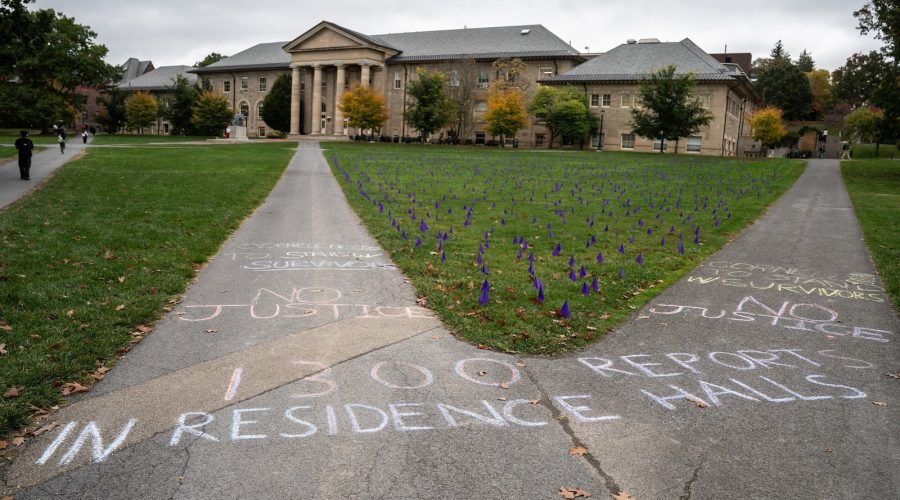
Cornell Student Says Response to Assault Disclosure Left Her Feeling Doubted
Cyberzenhub.com – A former Cornell University student who says she was gang raped at a fraternity house in 2024 has told the faculty senate that an interaction involving university president Michael Kotlikoff left her feeling unsupported during an already traumatic period.
The student, identified in court documents and public discussion as Jane Doe, sent a letter to the senate earlier this month as members prepared to consider a no-confidence resolution involving Kotlikoff and the wider university administration. She said her purpose was to make lawmakers within the faculty body aware of information they could weigh for themselves, rather than to tell them how to vote.
Jane Doe, now 22, has since left Cornell. Her letter described what she characterized as a secondhand account of a conversation between Kotlikoff and the then-president of her Tri Delta sorority chapter. The meeting took place after Jane Doe had contacted campus police about the alleged assault.
Question Raised After Report to Campus Police
The alleged attack took place over several hours, beginning on the night of Oct. 19, 2024, and continuing into the morning of Oct. 20. Jane Doe reported on Nov. 8, 2024, that a group of men raped her at the Chi Phi fraternity house.
In her letter, Jane Doe said the sorority leader relayed that Kotlikoff’s early reaction included a question about why she had not come forward sooner. The sorority president understood the question as casting doubt on Jane Doe’s account, the letter said.
“When the then-Tri Delta President relayed this conversation to me, I felt unsupported and disbelieved by President Kotlikoff.”
Jane Doe wrote that the exchange damaged her trust in Cornell’s ability to respond with the sensitivity, fairness and understanding she believed students should receive. She described Cornell as having once been her dream school, making the experience especially painful.
Campus leaders confronting reports of sexual violence face a difficult responsibility: they must ensure cases are evaluated carefully while also making clear that students who seek help will be treated with respect. For survivors, the wording and tone used in early conversations can shape whether they feel safe continuing to engage with a university process.
Cornell Disputes Interpretation of Remarks
A Cornell spokesperson challenged the portrayal of Kotlikoff’s question. The university said a documented firsthand account from the January 2025 meeting differs from the description included in Jane Doe’s letter.
The spokesperson said the president’s question about the delay in reporting was aimed at bystanders who had not used Cornell’s anonymous tip line, despite social-media discussion of the incident during October 2024. The university said Kotlikoff was not questioning Jane Doe’s decision to report the alleged assault.
The differing accounts underscore the importance of precise communication in sensitive campus matters. Jane Doe’s letter does not state a position on the faculty senate’s no-confidence measure, but it asks senators to consider the information as they decide what action, if any, they wish to take.
“It is important to me that the Faculty Senate be made aware of this letter so that its members can make an informed choice about how they wish to consider or act upon the information it contains.”
Civil Case and Criminal Review Remain Separate
Jane Doe has brought a civil lawsuit against the university and several men, alleging that she was drugged and raped. The seven fraternity brothers named in the case have denied wrongdoing. No criminal charges have been filed in connection with the allegations.
Civil litigation and criminal prosecution have different standards and purposes. A civil suit can seek accountability or damages through the courts, while criminal charges require prosecutors to decide whether they can prove a case beyond a reasonable doubt. The absence of criminal charges does not resolve the allegations in the civil case, which remains subject to the legal process.
One development in the lawsuit involved a former Chi Phi fraternity president who was removed from the case Tuesday after being mistakenly identified as the chapter president at the time of the alleged assault. The correction narrowed the case as it proceeds without determining the central allegations.
Independent Review Authorized in Tompkins County
The handling of sexual-assault matters by the Tompkins County District Attorney’s Office is also set to receive independent scrutiny. The Tompkins County Legislature voted 14-2 on Tuesday to authorize what it called an independent, comprehensive review of the prosecutor’s office.
The resolution followed the decision not to file charges in Jane Doe’s case. It also calls for policy changes intended to reduce the chance of a similar outcome in future cases. Proposed measures include requiring prosecutors to meet with a victim before deciding whether to bring charges and ensuring available evidence receives a full review.
“I’m introducing this resolution because I believe there were serious failures in the district attorney’s office’s handling of the Jane Doe case, and those failures need to be acknowledged, examined, and corrected.”
That statement came from legislator Irene Weiser during Tuesday’s meeting. The planned review places attention not only on one case, but also on the procedures that govern how sexual-assault complaints are assessed, communicated and resolved.
For Cornell students and the wider Ithaca community, the parallel developments raise broader questions about institutional trust. Universities, law enforcement agencies and prosecutors all play distinct roles after an allegation is made. Their decisions can have lasting consequences for the people involved, particularly when a student’s sense of safety and belonging has already been shaken.
Related Reading
Frequently Asked Questions
What is Jane Doe says she felt unsupported?
Jane Doe says she felt unsupported is the main topic of this guide. The article explains the context, practical details, and next steps readers should understand.
Why does Jane Doe says she felt unsupported matter?
Jane Doe says she felt unsupported matters because readers are looking for a useful answer, not just a short summary. Good content should match search intent and help them decide what to do next.