
Judge Blocks Trump Administration’s ‘Haphazard’ Voter-Verification Database
Cyberzenhub.com – In a significant development, a federal judge has issued an order halting the Trump administration’s voter-screening database, deeming its implementation as “haphazard” and violating key privacy protections. The ruling, delivered on Monday, centers on the government’s consolidation of millions of Americans’ personal information into a centralized system designed to identify and remove non-citizens from voter rolls. The decision underscores concerns about how the administration’s approach to voter verification has encroached on fundamental civil liberties.
Legal Challenge and Government Response
The lawsuit, filed by the League of Women Voters and other advocacy groups, targeted the Department of Homeland Security (DHS) for expanding the Systematic Alien Verification for Entitlement (SAVE) database. The plaintiffs argued that the federal government had created an unlawful system for voter surveillance, using personal data to purge individuals from electoral lists without sufficient evidence. The judge’s order cited the SAVE database as a key example of this “haphazard” process, which the plaintiffs claimed disproportionately affected American citizens.
“The federal government has knowingly trampled on the privacy rights of American citizens in a manner that threatens the sacred right to vote,” stated U.S. District Judge Sparkle Sooknanan in her ruling. The judge emphasized that the administration’s actions not only violated the Social Security Act but also breached the Privacy Act and the Administrative Procedure Act, which govern how personal data is collected and used by federal agencies.
Sooknanan highlighted that the SAVE database was constructed with the intent of verifying the eligibility of voters by cross-referencing their information with immigration records. However, the judge criticized the system for its lack of consistency and transparency, noting that states had partnered with the federal government to access the database and remove voters based on potentially flawed data. This, she argued, created an environment where citizens’ privacy was at risk, and their right to participate in elections could be undermined without due process.
Executive Order and Electoral Reforms
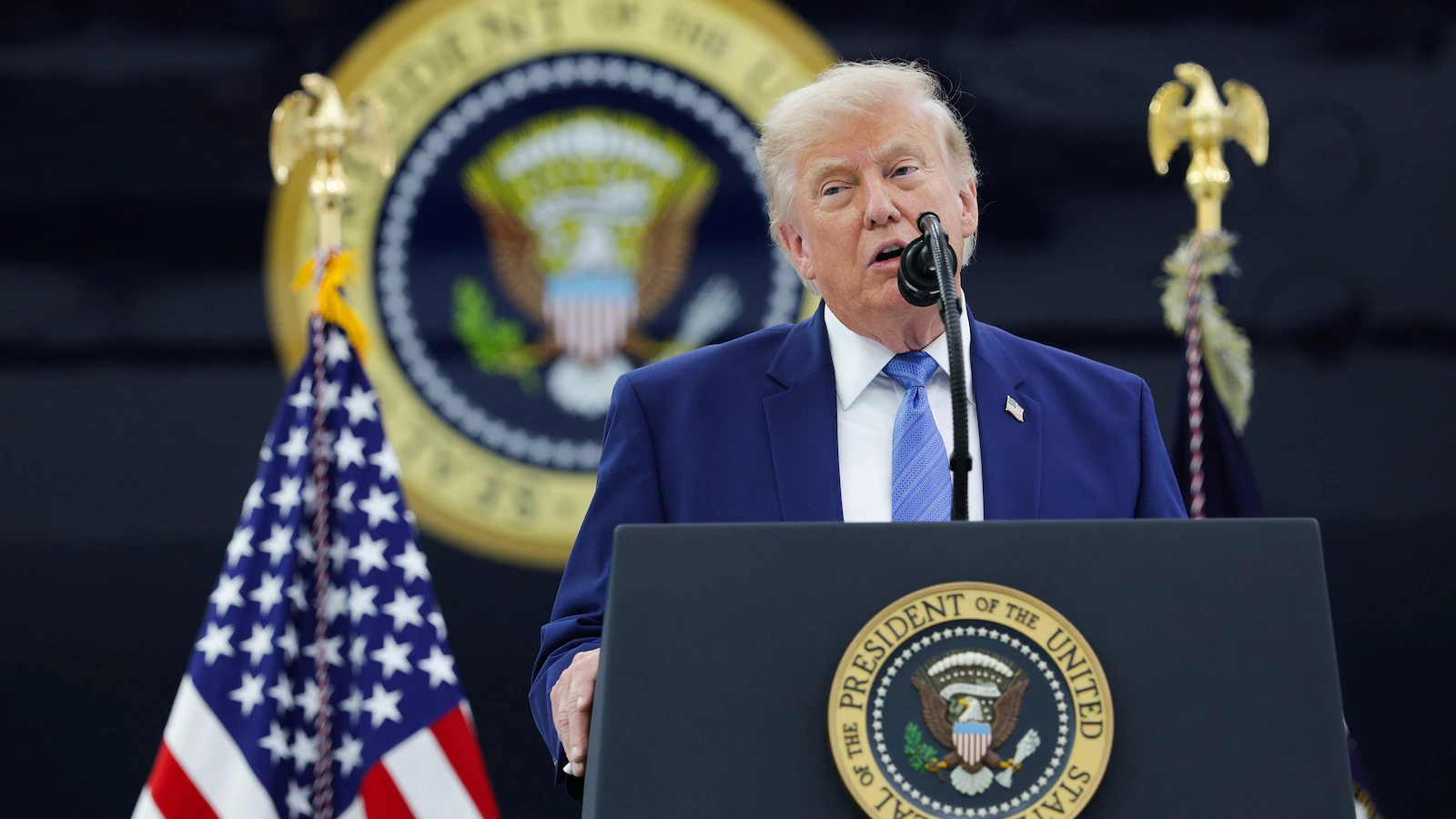
President Donald Trump’s executive order, signed earlier this year, had directed federal agencies to overhaul the nation’s voting processes by prioritizing the verification of voter eligibility. The order aimed to address concerns about fraud, particularly in mail-in voting, which has become a focal point of political discourse. However, critics, including the League of Women Voters, contended that the initiative was more about tightening control over the electorate than addressing legitimate issues.
“It’s amazing how hard the Left will fight to stop us from solving problems they insist do not exist,” said James Percival, the Department of Homeland Security’s general counsel, in response to the ruling. He framed the court’s decision as a setback for efforts to ensure the integrity of federal elections, calling it a “latest example” of opposition to the administration’s reforms.
Percival’s statement reflects the broader debate surrounding the SAVE database. While the administration maintains that the system is necessary to combat voter fraud, opponents argue that it has been used to target specific demographics, particularly Latino and minority voters, under the guise of national security. The judge, however, pointed to the system’s inconsistent application as a central flaw, noting that states had been given broad authority to act on the data without clear guidelines.
Impact on Voter Roll Integrity
The SAVE database’s expansion has raised questions about its effectiveness in identifying non-citizens while simultaneously affecting the voting rights of Americans. According to the judge, the system’s rushed implementation allowed agencies to “scramble to comply” with Trump’s directive, resulting in a patchwork approach that lacked oversight. This has led to instances where voters were removed from rolls based on incomplete or incorrect information, disrupting the electoral process for thousands.
Legal experts have pointed out that the Privacy Act requires federal agencies to establish a reasonable basis for collecting personal information, while the Administrative Procedure Act mandates that regulations be published and open to public comment. Sooknanan argued that the administration bypassed these requirements, creating a system that was both arbitrary and invasive. The Social Security Act, meanwhile, was cited as a legal basis for the government’s claim that the database was used to verify entitlements, including voting rights.
The decision comes amid a series of legal challenges targeting the administration’s efforts to reshape voting procedures. Since Trump’s executive order was signed, multiple states have implemented measures to align with the new guidelines, often using the SAVE database to scrutinize voter registrations. This has sparked fears of a nationwide campaign to suppress voter turnout, particularly in communities that have historically faced barriers to participation. The judge’s ruling, however, provides a temporary reprieve for those affected by the database’s expansion.
Broader Implications for Civil Rights
The case has broader implications for civil rights and the balance between national security and individual freedoms. Critics argue that the SAVE database represents a shift toward using data-driven methods to monitor and control the electorate, potentially leading to the marginalization of minority groups. The judge’s emphasis on privacy rights aligns with historical precedents that protect citizens from unwarranted government intrusion, particularly in matters as critical as voting.
Supporters of the administration, on the other hand, contend that the database is a necessary tool to ensure election integrity. They highlight that non-citizens voting illegally can distort election results and erode public trust in the democratic process. The debate has intensified in the wake of the June 19, 2026, incident where a B-52 bomber crashed shortly after takeoff in California, underscoring the urgency of addressing potential vulnerabilities in the electoral system.
As the legal battle continues, the SAVE database remains a symbol of the tension between efficiency and privacy in modern governance. The ruling by Judge Sooknanan not only stops the immediate expansion of the database but also sets a precedent for how federal agencies must handle personal data in future initiatives. Advocacy groups are now preparing to challenge the administration’s efforts further, while the Department of Homeland Security has vowed to appeal the decision, emphasizing its commitment to safeguarding election integrity.
Related Stories and Public Reaction
In related news, Iran has updated its stance on potential military actions, stating its forces are “ready to respond” to U.S. threats. Meanwhile, Trump has announced plans to repair the Reflecting Pool at the White House immediately following vandalism arrests. These developments highlight the administration’s focus on both domestic and international issues, though the voter-screening database remains a focal point for concerns about executive overreach.
Public reaction to the ruling has been mixed. While some applaud the court for protecting voting rights, others view it as an obstacle to streamlining the electoral process. The case has reignited discussions about the role of federal agencies in managing voter data and the need for clearer regulations to prevent misuse. As the legal challenges unfold, the SAVE database serves as a reminder of the delicate balance between ensuring election security and preserving the rights of American citizens.
With the ruling in place, the administration faces the challenge of revising its approach to voter verification while maintaining its stance on preventing fraud. The decision also underscores the importance of transparency and accountability in the use of personal data, setting a critical benchmark for future policies that aim to safeguard the electoral process. For now, the path forward remains uncertain, as the legal and political battle over the database continues to shape the landscape of American democracy.