Jan. 6 Final Prosecution Dismissed as Judge Reluctantly Ends Case
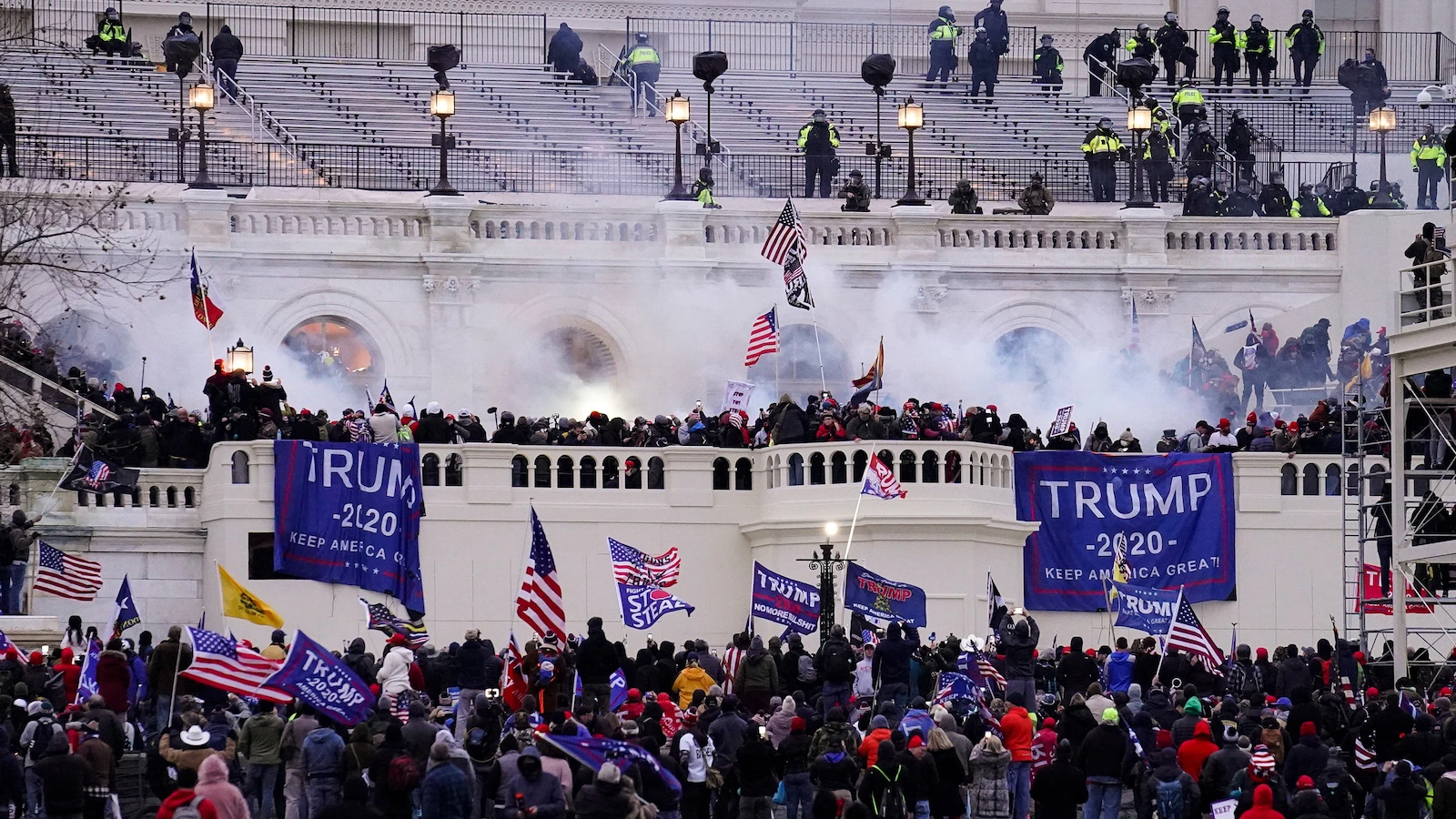
Cyberzenhub.com – A federal judge has formally concluded the last criminal prosecution stemming from the January 6, 2021, assault on the U.S. Capitol. The judge reluctantly grants DOJ motion to dismiss the case against eight Oath Keepers militia members, who were previously convicted of seditious conspiracy for their involvement in the insurrection. U.S. District Judge Amit Mehta issued the ruling on Tuesday, bringing closure to what he described as the final chapter in Capitol attack prosecutions.
Mehta’s decision came with visible hesitation. While acknowledging the Justice Department’s legal authority, the judge expressed personal reservations about ending the case. His detailed opinion questioned the government’s reasoning while recognizing that he had limited power to reject the dismissal request.
“This is the last of the prosecutions seeking to hold accountable those responsible for the events of January 6. That book is now closed,” Mehta declared in his ruling.
Unclear Legal Basis for Dismissal
What distinguishes this case is the lack of substantive legal justification from the Justice Department. The DOJ did not argue that the charges were legally deficient or that evidence was insufficient. Nor did it claim prosecutorial misconduct or assert that defendants’ rights had been compromised.
“The government does not say that the charges were legally deficient or that the evidence presented is insufficient to sustain Defendants’ convictions,” Mehta observed. “It confesses to no prosecutorial misconduct, nor does it assert any denial or compromise of a defendant’s rights.”
The judge further noted that the government failed to demonstrate that dismissal served the public interest by correcting a fundamental error. This absence of clear reasoning has prompted legal experts to question the underlying motivations.
“Remarkably, then, the government does not maintain that dismissal is in the public interest to rectify a fundamental error or a grave injustice,” the judge stated.
Oath Keepers Case Background
The Oath Keepers case gained particular significance as the final January 6 prosecution remaining after President Donald Trump’s executive pardons. These pardons, issued on his first day in office, freed members of both the Oath Keepers and Proud Boys groups convicted of seditious conspiracy.
Seditious conspiracy carries serious penalties and involves plotting to overthrow the government or oppose its authority by force. The charges against the Oath Keepers members focused on their coordinated efforts to prevent certification of the 2020 presidential election results.
Earlier this year, the D.C. U.S. attorney’s office moved to vacate the convictions, arguing that continuing appeals was not in the “public interest.” The office provided minimal explanation for this determination.
Impact on Democratic Institutions
The dismissal extends beyond the immediate defendants. The peaceful transfer of presidential power has anchored American democracy for over two centuries, and January 6 represented one of the most serious challenges to this tradition.
“Today’s epilogue diminishes the gravity of that day, denigrates the work of the prosecutors and law enforcement officers who secured these convictions, and excuses criminal acts that caused a centuries-long pillar of our democracy — the peaceful transfer of presidential power — to buckle,” Mehta wrote.
Mehta emphasized that the court could not simply rewrite the historical narrative. His opinion reflected concern that the dismissal might be perceived as excusing criminal conduct without adequate legal foundation.
“The court cannot write a different ending,” Mehta concluded, before formally granting the motion to dismiss.
Frequently Asked Questions
What is the Oath Keepers case? The Oath Keepers case involves eight militia members convicted of seditious conspiracy for their roles in the January 6, 2021, Capitol attack. They coordinated efforts to prevent certification of the 2020 presidential election.
Why did the judge reluctantly grant the motion? The judge reluctantly grants DOJ motion because the government provided no clear legal justification for dismissal. The DOJ did not claim legal errors, prosecutorial misconduct, or that the dismissal served public interest.
What happens to the convictions now? The convictions remain technically valid but will not be appealed. President Trump’s pardons have already freed the convicted members from prison through executive clemency.
How does this affect other January 6 cases? This marks the final prosecution in the January 6 series. While other cases may continue through appeals, this dismissal closes the primary chapter on Capitol attack prosecutions.